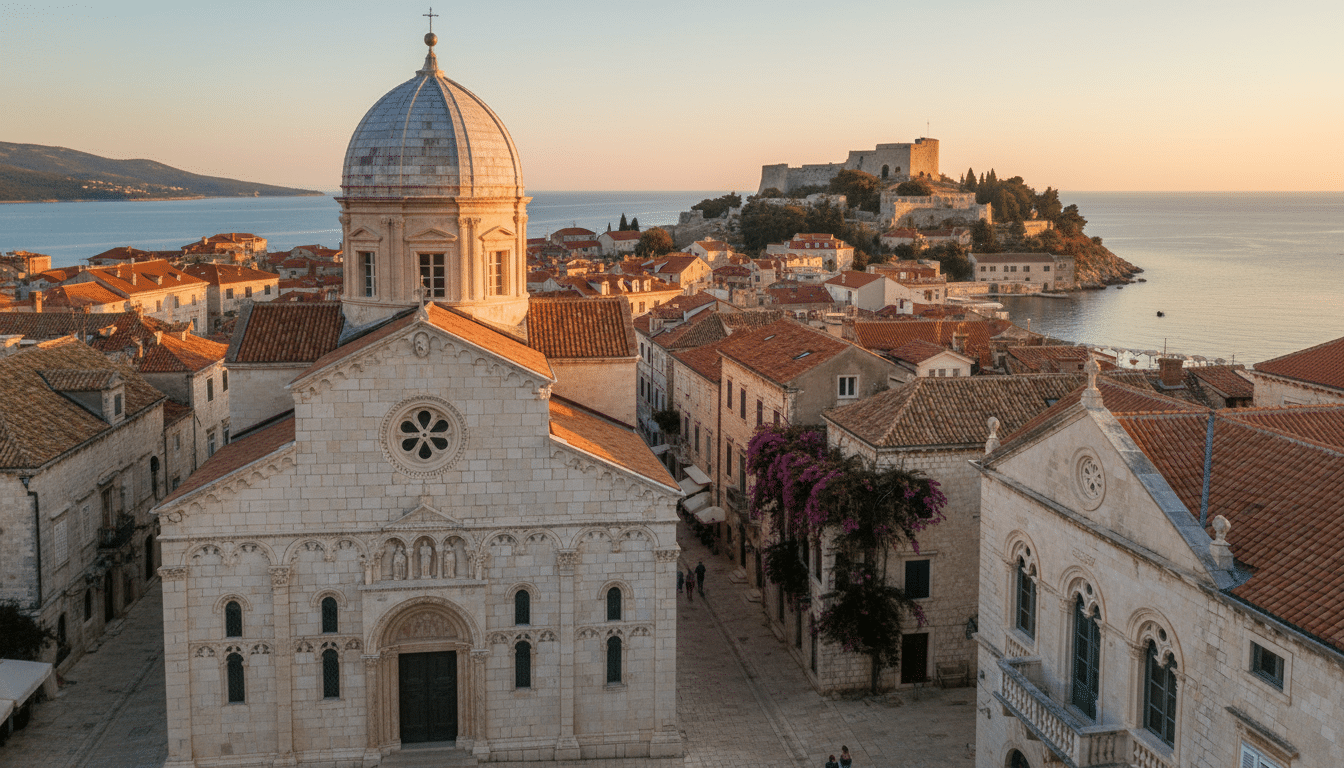
Croatian traditions Šibenik arrive as a slow, bright rhythm you feel the moment you step off the waterfront promenade.
The city sits where the River Krka meets the Adriatic, and that mix of sea air and stone shapes daily life. You can hear church bells from the cathedral square and taste local seafood at a small kafana. Walk the old lanes and you will notice how history sits beside everyday routines.
This guide sets clear expectations: what the traditions look like today, what you can experience on foot, and what is worth planning ahead. Expect a few UNESCO sights, fortress views above the port, and informal music or food customs that mark time here. Bring comfortable shoes and an open schedule—this place rewards slow travel and small discoveries.
Key Takeaways
- See how faith, music, and food shape public life in the old town.
- Plan short walks: waterfront, cathedral square, and fortress lanes.
- Two UNESCO sites make this city a cultural highlight on the coast.
- Local events and seasonal markets change what you’ll find at any time.
- Keep plans flexible—everyday moments reveal the place’s real beauty.
Šibenik’s cultural roots on the Krka River and the Adriatic Sea
Where the river krka flows into the sea, the town grew around a protected inlet that shaped daily life. This physical setting made the place a trading and defensive part of the coast from early on.
Found by at least 1066, this city kept its local character through Venetian and Habsburg rule. That long history creates local pride and a clear, layered identity you can sense on the streets.
The old town layout follows the hillside: steep lanes, many stairs, tight passages and worn stone underfoot. The sheltered harbor and fjord-like switchbacks shaped trade, defense, and a compact way of life.
- Simple timeline: founded 1066 → Venetian influence → Habsburg era.
- How geography shaped culture: estuary and harbor slowed the pace and focused movement on water access.
- Practical tip: start at the waterfront, then walk up into the old town on foot to feel the change in sound and light.
Expect elevation changes and slower walking times than a flat beach town. Notice how the busy promenade gives way to a quieter, closed-in feeling as you step off the waterfront and into narrow lanes.
UNESCO World Heritage landmarks that define the city’s story
Two landmark sites anchor the old town and explain how faith and defense shaped daily life across centuries.
Cathedral of St. James
The cathedral is a UNESCO world heritage site and the only major European cathedral built entirely from stone. Construction ran across the 15th and 16th century and took about 105 years, finishing in 1535–1536.
Look for the consistent stone surfaces and the row of 71 sculpted heads that show everyday faces in a sacred setting. The building was damaged in the early 1990s and later restored — that history is visible in the fabric and repair work.
Visiting tip: step inside quietly, check mass times, and expect a ticket if you enter outside services.
St. Nicholas Fortress
The fortress is a 16th century Venetian stronghold on the islet of Ljuljevac. It was built to protect the harbor and block sea attacks.
Access requires a boat from the waterfront — plan roughly a half-hour ride plus walking and photo time. Allow at least a half-day so you do not rush.
- Why it matters: both sites appear on the heritage list and explain why this city feels different from nearby coastal towns.
- Practical: combine the cathedral visit with a waterfront boat trip to the fortress for a full view of the story.
Croatian traditions Šibenik: everyday culture you can experience today
You will hear the town’s bells long before you see the cathedral spire. Bells ring every half hour from September through May. The sound carries through narrow streets and marks daily life in this city.
Enter a church with modest clothing. Keep your voice low. Step aside if a service is underway. These small acts show respect and let you share sacred space with locals.
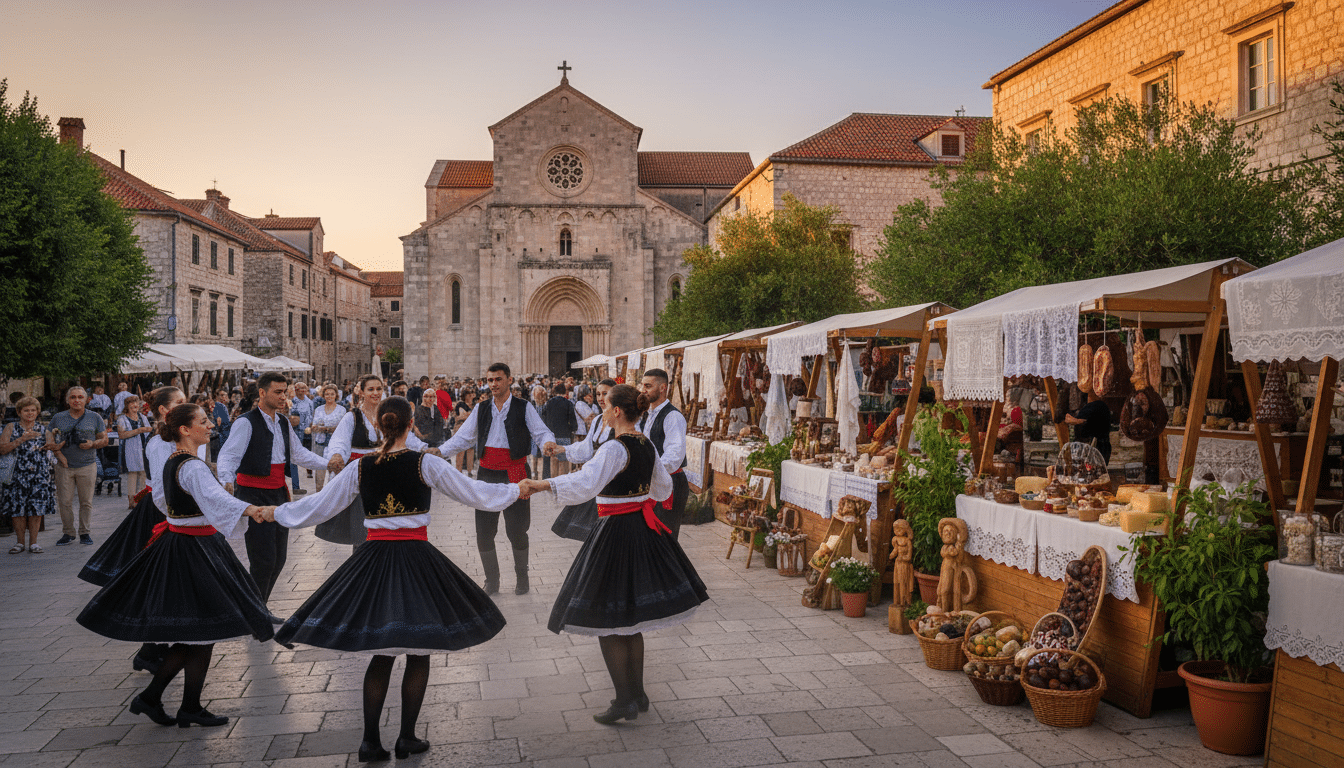
Listen for klapa. This a cappella singing is on the UNESCO heritage list. It appears in bars, at small concerts, and during church events. Ask hotel staff or bar owners where locals hear live sets. Stay flexible; performances can pop up with festivals or mass times.
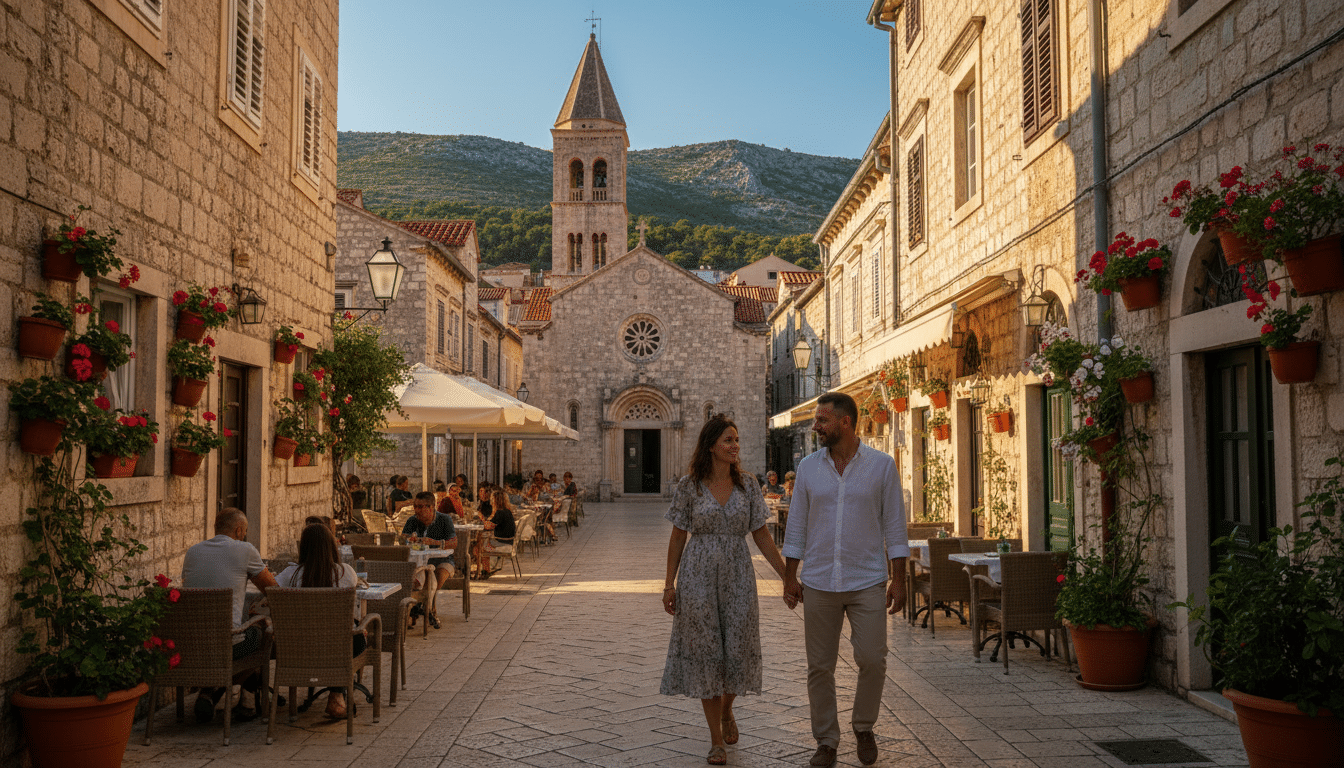
- Navigation tip: people often use an old name or landmark instead of the official street name.
- People-watch: spend a bit of time on the waterfront and main squares — notice fashion and the slow way locals move.
- Modern spot: Azimut, under St. James cathedral, hosts concerts in a vaulted space with visible wells. It shows how modern culture fits inside a historic place.
Annual events and seasonal traditions worth timing your trip around
Timing your trip shapes how you meet local life—quiet lanes or festival nights with music and crowds. Pick dates to match the mood you want: calm walks or lively streets filled with shows.
Šibenik Medieval Fair (September)
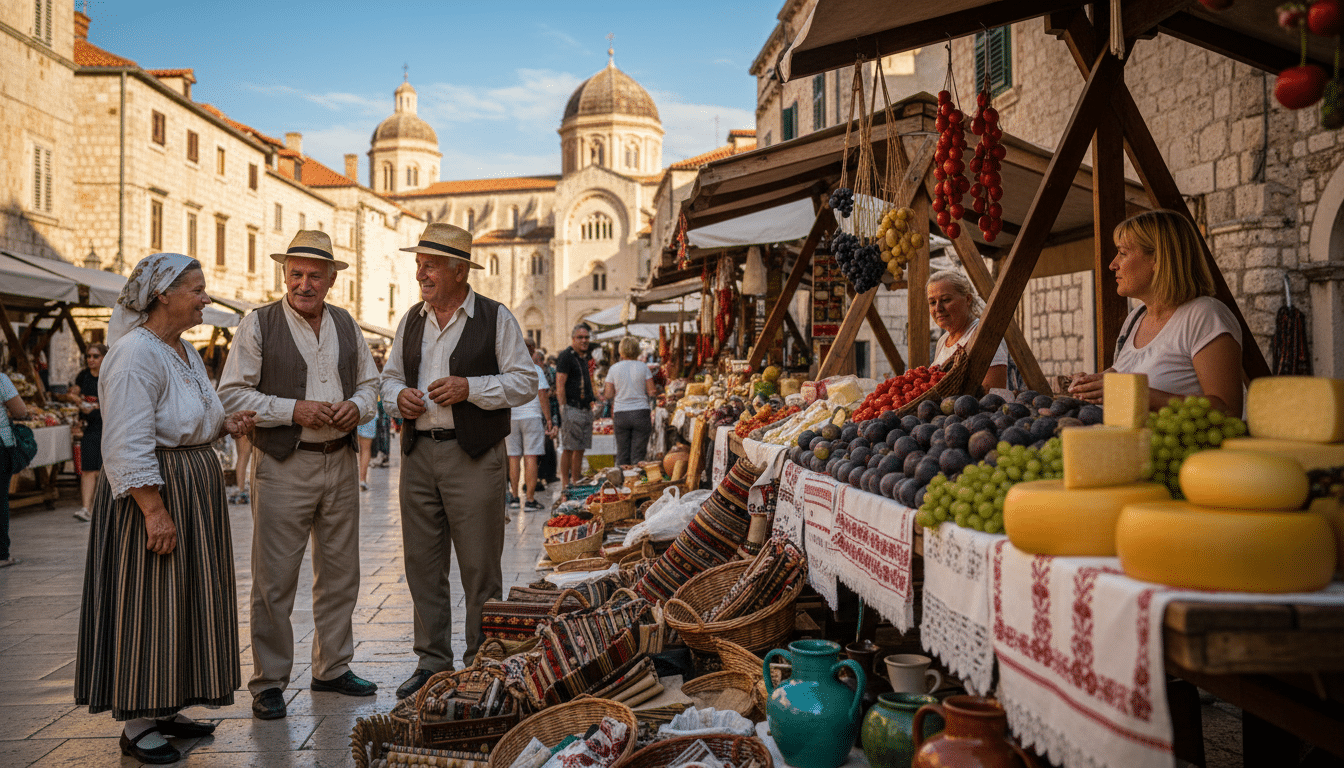
The Medieval Fair fills the old town with historic costumes, craft stalls, and staged performances. Expect crowds in narrow stone streets and stall-lined squares.
Prices and lodging demand rise on weekend dates. Book early and plan meals at off-peak hours to avoid waits.
SHIP Music Festival and the live music scene
SHIP spreads concerts across small venues and open-air stages. You may visit clubs, vaulted spaces, and waterfront gigs.
It’s a good pick if live music matters for your trip. Venues vary each year, so check the program close to travel time.
Croatian Travel Festival
This September event offers talks, workshops, and networking. It draws travel writers, curious travelers, and people who enjoy conversation and learning.
Summer festival season in the wider area
From early summer months onward the area hosts up to 18 festivals. That means more day-trippers, later nights, and a busier atmosphere than shoulder season.
- Choose quiet: visit outside major festival months for local routines.
- Choose lively: book lodging early and confirm dates close to travel time.
- Local view: some people welcome the energy; others find crowds and noise tiring.
Food and drink traditions in Šibenik, from konobas to Michelin-star dining
You’ll taste the city’s pace in its cafés and konobas long before you notice the stone alleys. Start with a slow morning on the waterfront and you’ll feel Dalmatian fjaka — a calm, unhurried mood that shapes how people eat and drink.
Dalmatian “fjaka” and café culture
Fjaka is a way to slow your day: long coffees, relaxed conversation, and idle watching of boats on the sea. Pick a cafe facing the harbor. Order coffee or a small drink and stay for an hour to see the pace change by time of day.
What to order at a konoba
Konobas serve what the sea and hills offer. Expect fresh seafood when the catch is good, hearty stews like goulash, and house Dalmatian wine.
- Order guide: fried sea bass or grilled fish if available; slow-cooked stew for colder days; a carafe of house wine to match.
- Choose smart: look for short menus and busy tables with locals — that spot usually signals quality.
- Avoid: places that pressure you with aggressive pitches; they rarely offer the best value.
Where locals and travelers eat
Konoba Marenda is a high-value stop known for fried sea bass and rich goulash. Go early to avoid the rush and to catch the limited daily menu.
Pelegrini sits in the old town as a Michelin-star restaurant led by chef Rudolf Štefan. It pairs local produce and Dalmatian wines with modern technique. Treat Pelegrini as a planned meal and konobas as flexibility you pick while you walk.
Historic streets, fortresses, and views that connect you to Šibenik’s past
Walk the old lanes from the waterfront up to the forts and you feel the town’s story in every stone.
St. Michael’s Fortress — city views and summer concerts
St. Michael’s Fortress sits above the historic center and gives wide, dramatic views of the coast and cathedral area. In summer, the open-air stage hosts concerts with the city as a backdrop.
What to expect: steep stairs, rough paths, and great photo spots. Allow time for the climb and a slow look from the ramparts.
St. John’s Fortress and the defence network
St. John’s Fortress forms part of the linked fortresses built in the 16th century to guard the harbor. Visiting helps you see how fortifications shaped daily life here.
Paths between walls are uneven. Wear solid shoes and plan extra minutes for steps and short detours to viewpoints.
Medieval Mediterranean Garden at St. Lawrence Monastery
The garden was restored and reopened in 2007. It offers herbs, shaded corners, and a small cafe — a calm break after climbs.
Promenade, Banj Beach, and the best sunset approach
- Start at the waterfront promenade, then climb to St. Michael’s and St. John’s.
- Drop down to the Medieval Garden for a rest and a drink.
- Finish at Banj Beach for a swim and sunset views over the Adriatic Sea near the cathedral and James Cathedral area.
- Streets note: many lanes are narrow and stair-heavy—walking times will be longer than a map suggests.
- Logistics: most places are walkable; a local bus can help if you need to save hours on a long day trip.
- Sunset tip: arrive a bit early and pick a viewpoint near Banj for changing light on stone buildings and water.
Conclusion
A short stay here rewards slow walking, a good coffee, and one well-chosen meal.
In practical terms, this town mixes living culture and landmarks in the same streets. Plan one day for the old town and cathedral area, a second day for fortresses and viewpoints, and leave extra hours for food and live music.
If you have limited time, prioritize the St. James area, one fortress, a café pause on the waterfront, and a konoba dinner. Tourists peak in summer months and around September events; quieter months give you more space to hear locals and move slowly.
From the US, fly into Split and take the frequent bus (about an hour and a half) to reach the place. Confirm schedules and allow buffer time. Before you go, save must-visit places, check event calendars, and build flexible hours to wander.
For practical tips on budget travel, see this short guide to travel on a budget. Keep a steady pace on narrow streets, lower your voice near churches, and follow local cues — those small choices help you blend in and enjoy your trip in the years ahead.