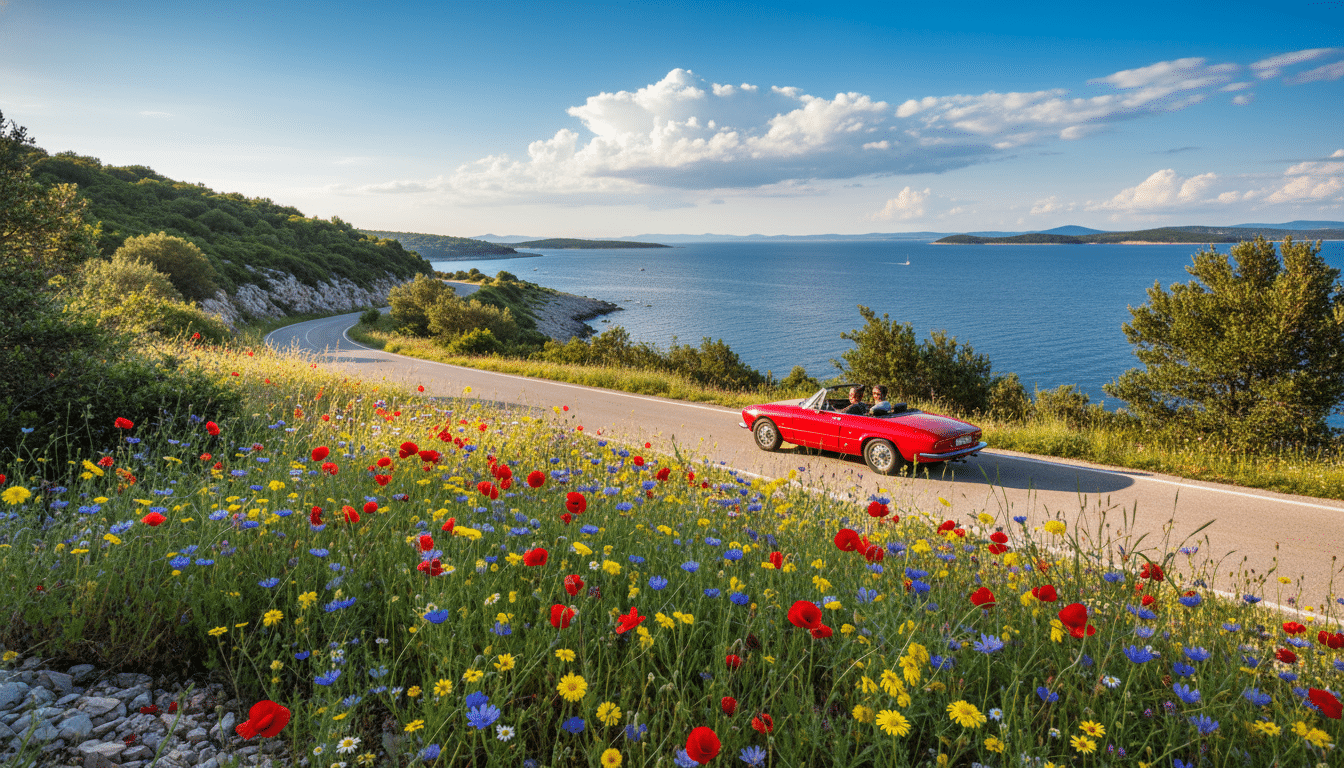
Imagine stepping out from your hotel into a city where ancient stone streets lead to a waterfront bustling with life. The air carries a hint of salt from the Adriatic Sea, mingling with the scent of history from the oldest native Croatian town on the coast. This is Šibenik, your perfect launchpad for discovery.
Nestled in a picturesque bay where the Krka River meets the sea, this historic hub puts an incredible wealth of experiences within your reach. You are positioned in the heart of Central Dalmatia, a region blessed with over 240 islands and a stunning 100-kilometer coastline.
From this central point, you can easily explore two national parks, medieval towns, and UNESCO World Heritage sites. The area is a library of history, protected by limestone rocks and a mountain hinterland. You’ll find authentic villages and centuries-old traditions preserved in island communities.
This opening guide shows you why the location is so strategic. You get diverse and rich cultural attractions all around you. Get ready to plan unforgettable explorations from a truly unique base.
Key Takeaways
- Šibenik is the oldest native Croatian coastal city, founded in the 9th century.
- Its location at the mouth of the Krka River provides easy access to over 240 islands.
- The region serves as a central point between Zadar and Split, offering diverse trip options.
- You can visit two national parks and numerous UNESCO sites on short excursions.
- The area features a unique blend of Venetian, Croatian, and Mediterranean cultural influences.
- Historical attractions include fortresses, cathedrals, and traditional island settlements.
- The geography makes planning efficient and rewarding explorations straightforward.
Day Trip Highlights: A Blend of History and Culture
Discover architectural treasures hidden within the winding lanes that have witnessed centuries of stories. The historic quarter offers an immersive experience where every corner reveals something new.
Walking Tours Through Historic Streets
Early morning provides the perfect time to explore the narrow cobblestone streets. You’ll find soft light and peaceful surroundings ideal for photography. The maze-like layout leads to hidden cafes and quiet courtyards.
Choose between self-guided exploration or organized tours with knowledgeable guides. Both options reveal the authentic character of this living historic district.
Local Architectural and Cultural Gems
The Croatian National Theater stands as a beautiful example of the city’s architectural heritage. Nearby, the City Museum showcases fascinating artifacts that bring local history to life.
Don’t miss the charming churches throughout the area. The Church of St. Francis includes an accompanying museum, while St. Nikole Church features ornate interior decorations. These attractions create a rich tapestry of cultural discovery on your day trip.
Cultural Day Trips Sibenik: A Gateway to Rich Heritage
Some of the most remarkable achievements in human history await your discovery just a short journey away. The area boasts several UNESCO World Heritage landmarks that showcase exceptional craftsmanship and centuries of preserved culture.
UNESCO World Heritage Landmarks
The Cathedral of St. James represents a true engineering marvel from the 15th and 16th century. Built entirely from stone blocks without wood or connecting materials, this Gothic-Renaissance masterpiece features 71 sculpted heads on its exterior.
This cathedral earned its UNESCO World Heritage status in 2000 for its unique architectural significance. Its construction methods were revolutionary for their time.
Nearby, St. Nicholas Fortress stands as another protected world heritage site. This 16th-century sea fort was part of Venice’s defensive system. It protected the coastline during turbulent periods in Mediterranean history.
For a longer excursion, visit Trogir’s UNESCO World Heritage site. This town showcases 2,300 years of continuous urban development. You’ll see influences from Greek, Roman, and Venetian periods throughout its well-preserved streets.
Practical tips for your visit:
- Check opening hours online as they vary by season
- Purchase combination tickets for multiple attractions
- Allow at least two hours to fully appreciate each location
- Consider guided tours for deeper historical context
These protected sites together tell the story of Dalmatian history through medieval craftsmanship to Renaissance artistry. Each offers a unique window into the region’s rich heritage.
Historic Landmarks and Iconic Cathedrals
Rising majestically above the cityscape, the historic landmarks of the Old Town tell a story carved in stone. These structures form the heart of the area’s rich history.
St. James Cathedral and Its Timeless Appeal
The enormous St. James Cathedral is a true masterpiece. Built entirely from stone over a 100-year period in the 15th century, its construction was a remarkable feat.
You need a ticket to explore the dark interior. Inside, you will find ornate altars. The highlight is the baptistery, featuring incredibly detailed stone carvings.
Outside, look for the humorous statues of Adam and Eve. Another unique feature is the line of 71 stone-carved heads. The design blends Gothic and Renaissance styles.
Practical visiting information is key. Summer opening hours are typically 9:30 am to 7:30 pm. Plan to spend time appreciating this architectural wonder.
Other Religious Monuments in the Area
While St. James Cathedral draws the eye, other churches dot the Old Town. Each has its own unique character and historical importance.
Across the main square stands the elegant Town Hall. This 16th-century building was rebuilt after World War II. Its pillars and arches complement the cathedral’s grandeur.
Exploring these sites gives you a deeper sense of the town’s enduring spirit.
Medieval Fortresses and Coastal Castles
Military history comes alive when you visit the impressive fortifications that have protected this area for centuries. Four remarkable defensive structures tell the story of regional security from ancient times through Venetian rule.
Exploring St. Michael and St. Nicholas Fortresses
St. Michael’s Fortress has origins dating back to the Iron Age. Its 2014 restoration created a modern cultural space while preserving historic character. The interior now features an open-air stage seating over 1,000 people.
Barone and St. John’s fortresses were built in just 58 days during the 1660s. Local residents constructed them rapidly to defend against Ottoman invasion. These hilltop positions provide spectacular panoramic views of the coastline.
St. Nicholas Fortress stands uniquely on the sea at the canal’s entrance. This 16th-century structure requires organized boat tours for summer visits. It served as a key part of Venice’s coastal defense system.
You can purchase a combo ticket for the three land-based fortresses. This offers excellent value for exploring these historic sites. Barone Fortress features augmented reality tours and family amenities.
St. John’s Fortress reopened in 2022 after complete renovation. It sits at the highest point, offering unmatched views of the Adriatic Sea. Some locations offer free access during off-season months.
Boat Tours and Waterfront Experiences
Stepping onto Šibenik’s waterfront promenade opens up a completely different perspective of the region. The marina serves as your gateway to aquatic adventures along the stunning coastline.
Cruises Along the Adriatic Coast
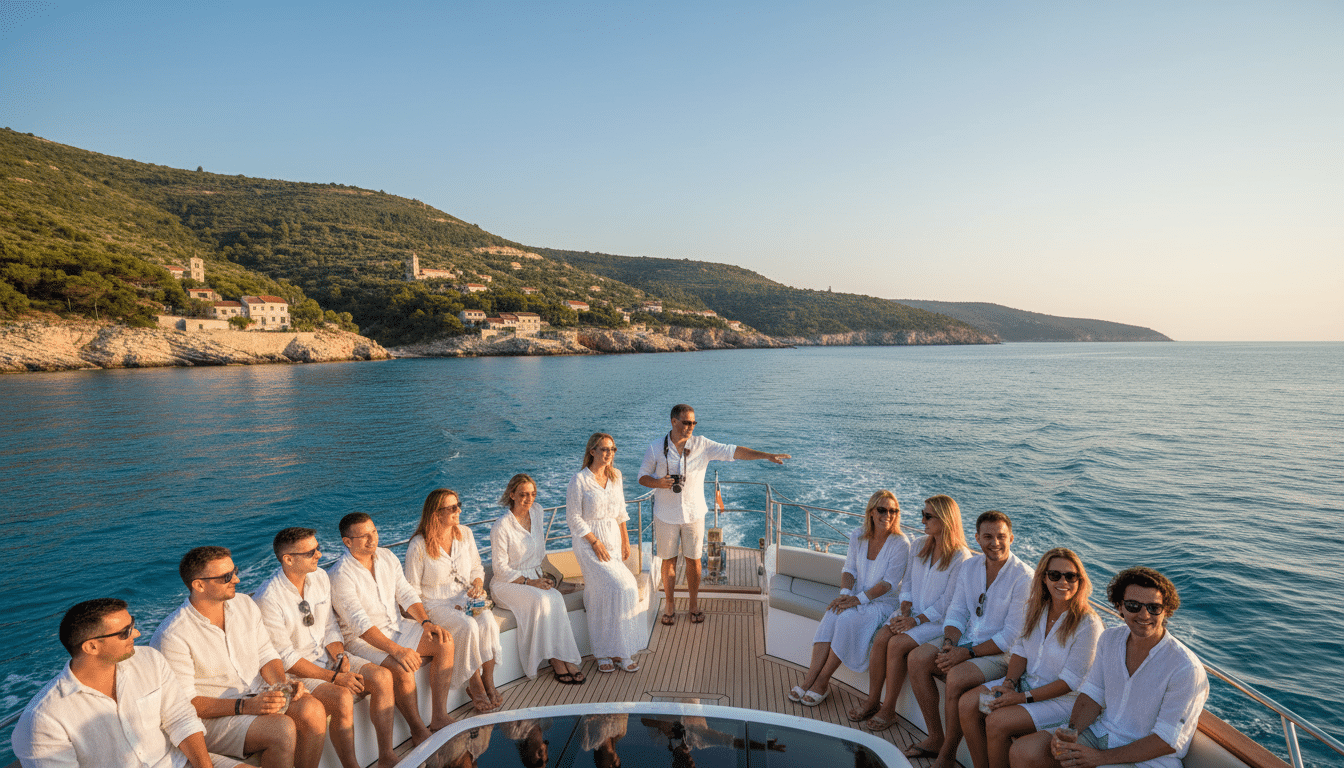
Multiple boat options depart daily from the marina. You can join organized group excursions for a social experience. Private skippered boats offer flexibility for personalized itineraries.
The popular Kornati Islands tour includes swimming and snorkeling in crystal-clear waters. You might spot dolphins playing in the Adriatic Sea during your journey. Hiking opportunities on the islands add active exploration to your day.
For budget-friendly island hopping, use the public ferry system. Line 532 connects to Zlarin, Kaprije, and Zirje islands. This provides an authentic way to experience local island life.
In summer, boat tours to Krka National Park offer a scenic water route to the waterfalls. The journey itself becomes part of the attraction with coastal views.
Back on land, the waterfront promenade stretches from the Old Town to Banj Beach. Quaint cafes with waterside tables line the path. An elevated lookout point before the beach provides perfect photo opportunities of the cathedral and fortresses.
Strolling with an ice cream past fishing boats creates a relaxed waterfront experience. This leisurely walk lets you absorb the maritime atmosphere at your own pace.
Island Excursions: Hidden Cultural Gems
Venture offshore to discover communities that have preserved their unique heritage for generations. The largest islands—Zlarin, Kaprije, Zirje, and Prvic—offer regular ferry service for easy exploration. This makes island hopping both convenient and affordable.
Local Traditions on Nearby Islands
Zlarin, known as the “Golden Island,” maintains a car-free policy that creates a peaceful atmosphere. The island is famous for its centuries-old coral harvesting tradition. Visit the Coral Museum to see tools and techniques used in this craft.
Local artisans continue creating beautiful coral jewelry using methods passed down through generations. The island’s coastline features pristine beaches with crystal-clear waters perfect for swimming.
Kaprije Island offers the Church of St. Peter with its historic cemetery. You can relax at Portic public beach or discover secluded Mala Nozdra beach cove. A trek to the hilltop provides sweeping sea views.
Each island preserves distinct traditions. Murter maintains fishing heritage while Betina village specializes in wooden shipbuilding. Krapanj, the smallest inhabited Adriatic island, continues sponge fishing traditions.
Plan your island travel using public ferries for budget-friendly options or private boat tours for flexible scheduling. This area provides authentic experiences away from crowded tourist spots.
Exploring National Parks with a Cultural Flavor
Nature lovers will find spectacular experiences just a short journey from your base. The region’s protected areas combine stunning natural beauty with fascinating historical elements.
Day Trips to Krka National Park
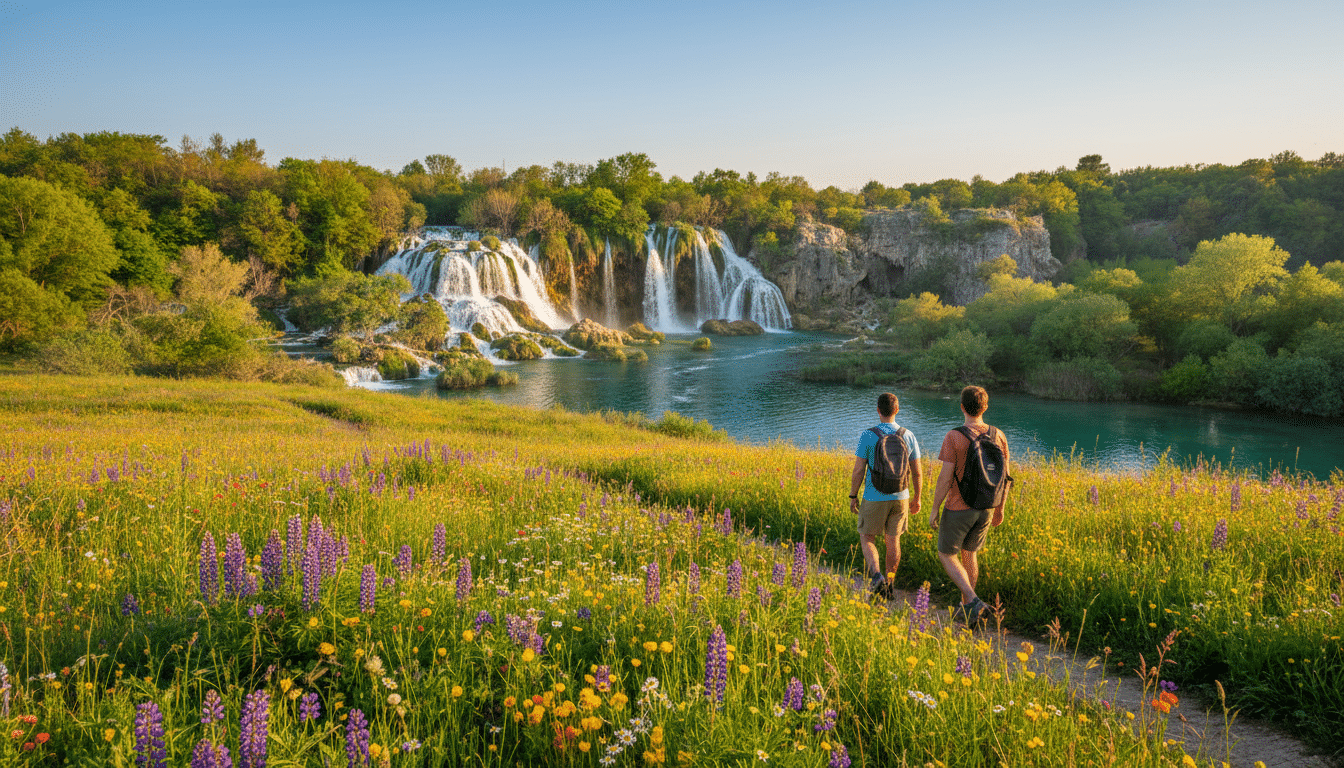
A visit to Krka National Park ranks as the most popular excursion. You’ll witness the magnificent Skradinski Buk waterfall, where water cascades over seventeen natural barriers.
The charming town of Skradin serves as the main entrance, located just eleven miles away. You have multiple transportation choices for your visit. Private tours offer convenience while public buses provide budget-friendly access.
Spring months from April to June present the ideal time for exploration. You’ll enjoy mild temperatures, blooming landscapes, and smaller crowds. The park features well-maintained trails perfect for hiking and cycling.
Beyond the waterfalls, discover cultural treasures like Visovac Island. This serene location hosts a 15th-century Franciscan monastery accessible by boat. Nearby Vransko Jezero, Croatia’s largest natural lake, offers exceptional birdwatching opportunities.
Observation points throughout the park area let you spot rare species including pygmy cormorants and herons. Combine natural wonders with historical sites for a perfectly balanced day trip.
Wandering Through Old Towns and Marketplaces
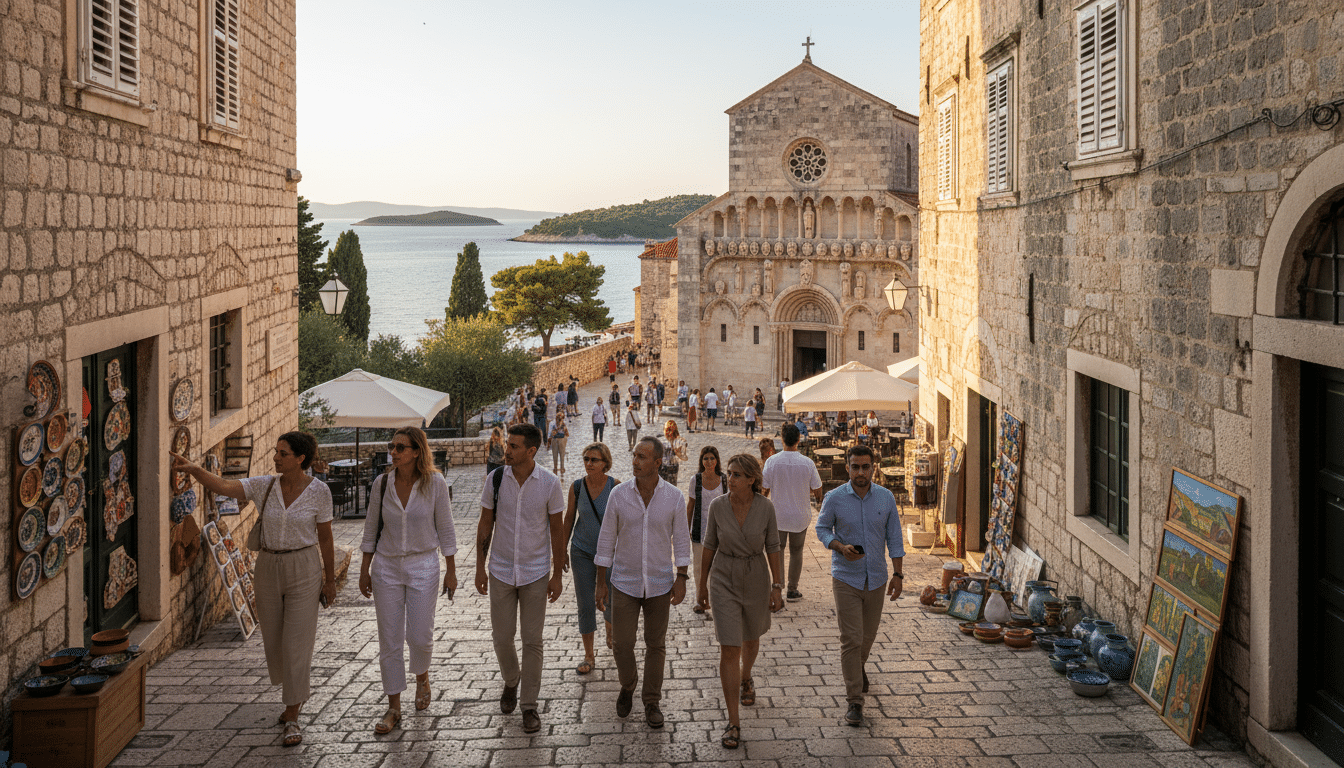
The real magic happens when you lose yourself in the labyrinth of ancient passageways. These narrow cobblestone streets create an enchanting maze that leads to hidden cafes and quiet courtyards.
Medieval Streets and Public Squares
Early morning offers the perfect time for exploration. You’ll find soft light ideal for photography and peaceful surroundings before crowds arrive. The main square dominated by the cathedral serves as your central reference point.
Summer brings vibrant events to these historic spaces. The International Children’s Festival transforms the area for two weeks each year. Traditional “klapa” a capella evenings fill the air with authentic Dalmatian harmonies.
Several cultural venues welcome visitors throughout the day. The Church of St. Francis includes an accompanying museum worth visiting. The City Museum near the cathedral details local history through fascinating artifacts.
You can choose between guided walking tours or spontaneous exploration. Both options reveal the authentic character of this living historic district. Each turn brings new discoveries in this compact, pedestrian-friendly area.
Discovering Neighboring Towns with Historic Charm
Your exploration from a central base opens up a world of distinct towns nearby. Each offers a unique character, from coastal resorts to inland villages.
You can easily plan a rewarding day trip to experience their different atmospheres.
Visits to Vodice, Trogir, and Other Coastal Settlements
Head north to Vodice, a lively coastal town. It blends a quaint Old Town with modern beach resort amenities. You can reach it by a short bus ride or a scenic ferry that stops at islands.
South of your base lies Primošten, a former islet now connected to the mainland. It is famous for its beautiful beaches and unique vineyards. The local Babić grape produces robust red wines celebrated across the country.
For a journey through time, travel to Trogir. This UNESCO World Heritage site boasts 2,300 years of history. Marvel at the Cathedral of St. Lawrence and explore the 15th-century Kamerlengo Fortress.
Venture inland to Drniš Town in the Dalmatian hinterland. Discover 14th-century fortress ruins and taste its famous pršut, a prosciutto cured by the bura wind. The nearby Čikola River Canyon offers fantastic hiking.
Practical tips for your travel:
- Use local buses for an affordable way to visit each town.
- Combine a visit to Vodice with a ferry tour to the islands.
- Allow ample time to wander Trogir’s narrow marble streets.
- Sample local wine in Primošten and prosciutto in Drniš.
This region is packed with diverse attractions waiting for your discovery.
Conclusion
Your adventures from this central Dalmatian hub connect you to a remarkable collection of experiences. You can explore ancient stone streets in the Old Town, stand in awe of UNESCO World Heritage sites, and relax on pristine island beaches.
Practical travel options like buses and ferries make every attraction easily reachable. For more ideas on enjoying your visit without stretching your budget, check out our guide to free and budget-friendly activities.
Plan your visit for spring to enjoy mild weather or summer for vibrant events. This region offers authentic Croatian experiences where you can discover hidden gems at your own pace.