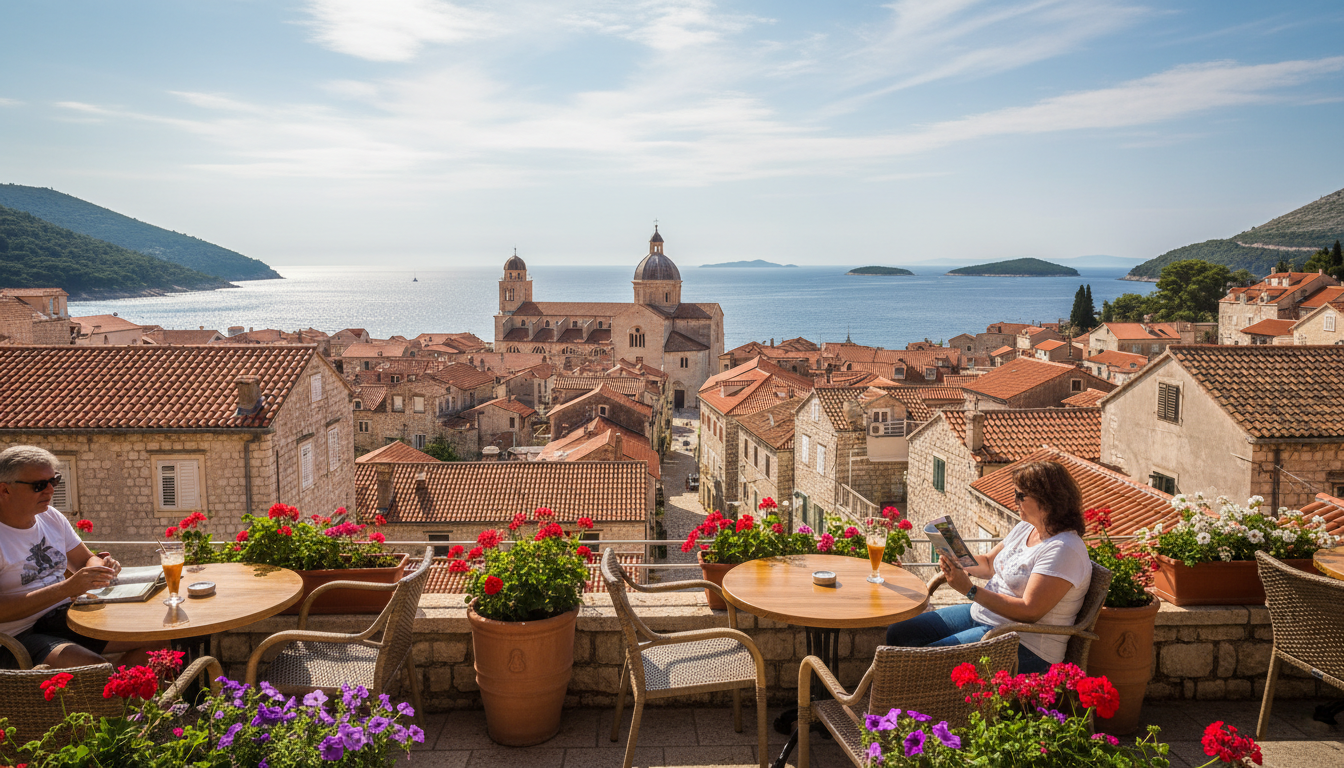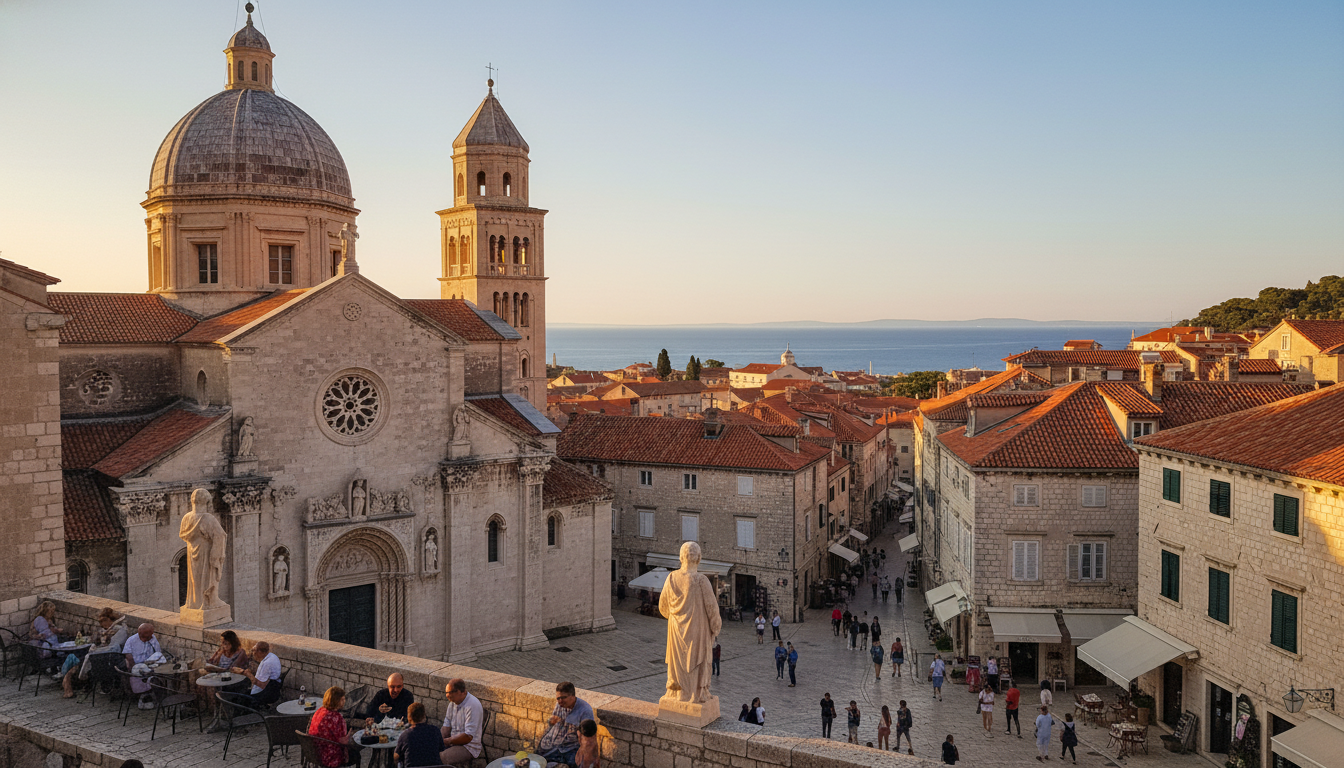
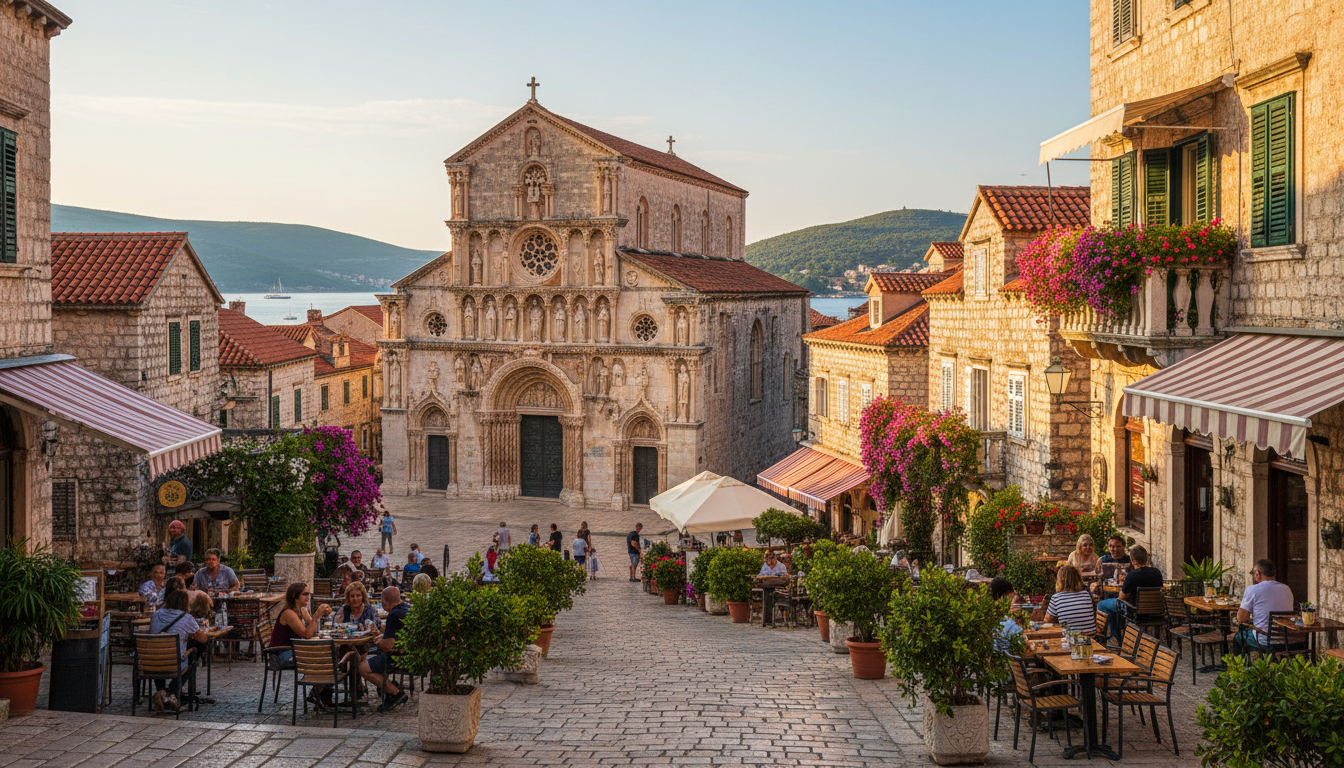
Imagine cobblestone lanes dappled with Adriatic sunlight, leading to a fortress overlooking a bay of sapphire blue. Deciding how many days in Šibenik you need is your key to experiencing this historic treasure. It’s not just another coastal stop; it’s the oldest Slavic town on Croatia’s stunning shore.
Founded by Croats over a thousand years ago, Šibenik pulses with a unique medieval heart. Most travelers find a two-night stay perfect. This gives you enough time to wander the compact old town, marvel at the stone Cathedral of St. James, and visit the hilltop fortresses.
With this timeframe, you can also take a fantastic day trip to the waterfalls of Krka National Park. If your schedule allows for three to five days, your options expand beautifully. You can sail to the Kornati islands, discover secluded beaches, and soak up the slow pace of nearby villages.
Even a single day lets you capture the essence of the place. You’ll see the main sights, though you’ll miss the deeper adventures. This guide helps you match your available time with the perfect itinerary.
Key Takeaways
- Šibenik is a uniquely historic city, founded by Croats and dating back to the 11th century.
- A two-day visit is the sweet spot for exploring the old town and adding a trip to Krka National Park.
- With three to five days, you can include Kornati National Park, beaches, and coastal villages.
- Even one day is enough to see the primary highlights of the stone cathedral and fortresses.
- Your ideal duration depends on whether you prefer a quick overview or a relaxed, in-depth exploration.
- The city’s compact center makes it very walkable and efficient to visit.
- Planning ahead ensures you don’t miss the blend of history, culture, and natural beauty.
Overview of Šibenik’s Rich History and Culture
Founded by Croats when much of the coast was settled by others, Šibenik stands as a testament to Slavic heritage. You feel this deep history in its sun-warmed stone. The city’s culture is a rich, layered story waiting for you to discover.
Timeline from the 11th Century Onwards
Records point to the 11th century, possibly 1066, as its start. That’s over 900 years of continuous life. Venetian control shaped the city for nearly four centuries, from 1412.
This era saw Šibenik become Dalmatia’s largest town in the 1500s. Rule later passed to France for eight years, then the Austro-Hungarian Empire, and finally Yugoslavia.
Medieval and Venetian Influences
You see this past in the architecture. Gothic and Renaissance details speak of medieval and Venetian times. The 20th century brought conflict, with shelling in the 1990s damaging historic sites.
Dedicated restoration between 1992 and 1997 repaired everything. Today, locals take immense pride in this resilient history. It makes your visit feel authentically Croatian.
Getting to Šibenik: Transportation Tips
Your adventure begins with an easy arrival. Šibenik welcomes travelers via bus, car, and train from major Croatian cities.
Travel by Bus, Car, and Train
If you take the bus, you’ll arrive at Autobusni Kolodvor Šibenik. This main station is less than a five-minute walk to the waterfront promenade and old town entrance.
Driving gives you the most freedom. You can reach Šibenik by car in about an hour from Split. It’s under an hour from Zadar and roughly 3.5 hours from Zagreb.
A few trains run daily from towns like Knin. However, bus and car remain the most popular way to reach the area.
Once here, the compact city center is very walkable. Plan your arrival time wisely. The steep, narrow streets can be challenging with luggage during summer.
Exploring the Historic Landmarks
Šibenik’s historic core is a masterpiece of stone, shaped by Venetian hands and Croatian spirit. This old town feels like an open-air museum, entirely built from limestone. The compact old town is perfect for exploration.
Medieval Streets and Stone Architecture
Every street here is paved with cobblestones. Limestone buildings with colorful shutters line your path. You’ll climb steep stairways, as the town sits on a rocky hillside.
A walk through this old town is a journey through time. Getting lost is part of the fun. Each narrow passage reveals hidden courtyards and centuries-old details.
Let the layout guide you from place to place. Don’t miss the Town Hall on the Square of the Republic of Croatia. Its elegant arches and columns showcase Venetian style.
Rebuilt after World War II, the Town Hall mirrors the 16th-century original. Today, a restaurant operates downstairs. Cultural events fill the upper hall.
Wear comfortable shoes with good grip. The stone surfaces can be slippery, especially after rain.
Inside the Cathedral of St. James>
Step inside the Cathedral of St. James, and you’re surrounded by over a century of architectural genius. This Gothic-Renaissance masterpiece took more than 100 years to build.
It stands as a UNESCO World Heritage site, recognized for its outstanding value. The entire structure uses limestone and marble, assembled without bricks.
UNESCO World Heritage Significance
Croatian sculptor Juraj Dalmatinac directed work in the mid-15th century. His touch is seen in the 70+ lifelike stone heads outside.
They depict ordinary townspeople frozen in time. Your visit requires a small entrance fee, unless attending mass.
The ticket grants free access to the Interpretation Centre museum. This adds depth to your understanding of the cathedral’s history.
Inside, don’t rush past the Baptistery. Its delicate carvings show incredible skill from 15th-century craftsmen.
The cathedral has shown remarkable resilience. Its dome was damaged during shelling in 1991.
Meticulous restoration between 1992 and 1997 returned it to glory. Fans of Game of Thrones will recognize this location.
It served as the Iron Bank in Braavos. This pop culture connection adds a fun layer to its historical weight.
Take time to walk completely around the exterior. Each angle reveals new sculptural details and perspectives.
Discovering Šibenik Fortresses
Your visit isn’t complete without exploring the defensive ring of fortresses overlooking the old town.
Four historic strongholds encircle the city. Each provides a unique perspective on its past and spectacular views.
St. Michael’s and St. Nicholas Fortresses
St. Michael’s Fortress is the historic heart. Perched 60 meters above sea level, it requires a steep climb with many stairs. The effort rewards you with commanding views of the Krka River mouth.
A single 10€ ticket here also grants access to Barone and St. John’s Fortress. This makes for excellent value. The fortress now hosts summer concerts on its open-air stage.
For a different experience, find St. Nicholas Fortress. It sits on a small island guarding the sea channel. This 16th-century structure is a UNESCO World Heritage site.
It was built to defend against naval attacks. You’ll need a boat to reach this one, as it’s not on the mainland.
Don’t overlook the other two fortresses. St. John’s Fortress was built in just 58 days and offers the highest vantage point.
Barone Fortress, recently restored, features interactive AR exhibits. If you seek the best views and engaging history, Barone is a top choice.
Navigating the Charming Old Town Streets
The true magic of Šibenik unfolds when you surrender to its labyrinthine heart. Put your phone away. The best way to experience this old town is to wander without a fixed destination.
You’ll move through a captivating maze of cobbled streets. Stone passages connect every major landmark. They sometimes duck under ancient arches or through short, cool tunnels.
These streets transform completely from day to night. Daylight reveals intricate architectural details on limestone walls. After dark, lantern-style lights cast a warm, golden glow, creating a magical atmosphere.
Don’t worry about getting truly lost. The historic center is wonderfully compact. “Getting lost” here means finding hidden courtyards, tiny churches, and local shops most visitors miss.
Keep these practical tips in mind for your walk:
- The town is built on a slope. You’ll climb many stone staircases, so pace yourself.
- Take breaks at cozy cafes or scenic viewpoints along the way.
- Plan to explore the streets at different times. Each visit reveals a new character.
Every narrow lane leads to an interesting place. It could be a lively plaza, a quiet art gallery, or a stunning harbor view. Let the old town guide you and reveal its secrets slowly.
Natural Escapes: Beaches and Parks in Šibenik
Beyond the fortresses and cathedrals, you’ll find peaceful green spaces and a popular city beach. These spots offer a perfect change of pace.
Banj Beach and Promenade Walks
Banj Beach is the main swimming place. It’s a ten-minute walk from the old town along the waterfront promenade.
This pebble beach has clean water and family facilities. An outdoor exercise ground is popular with locals.
An elevated viewpoint nearby gives the best view of the old town. The scene resembles Italy’s Cinque Terre.
For more secluded options, explore the hidden secluded beaches in Šibenik along the coast.
Perivoj Roberta Visanija Park provides a green escape. It sits between Poljana Square and the waterfront.
This park dates from 1895 and was renovated in 1995. Thick Mediterranean plants create cool shade in summer.
The long promenade is a lovely place for a stroll. You’ll pass restaurants and watch fishermen.
The entire area comes alive in the warmer months. It’s a great view into local life.
While not Croatia’s most spectacular beach, Banj’s convenience and views make it worth a visit. The park offers a quiet retreat.
Both are easy to reach from the city center. They add a relaxing dimension to your trip.
Visiting Krka National Park and Waterfalls
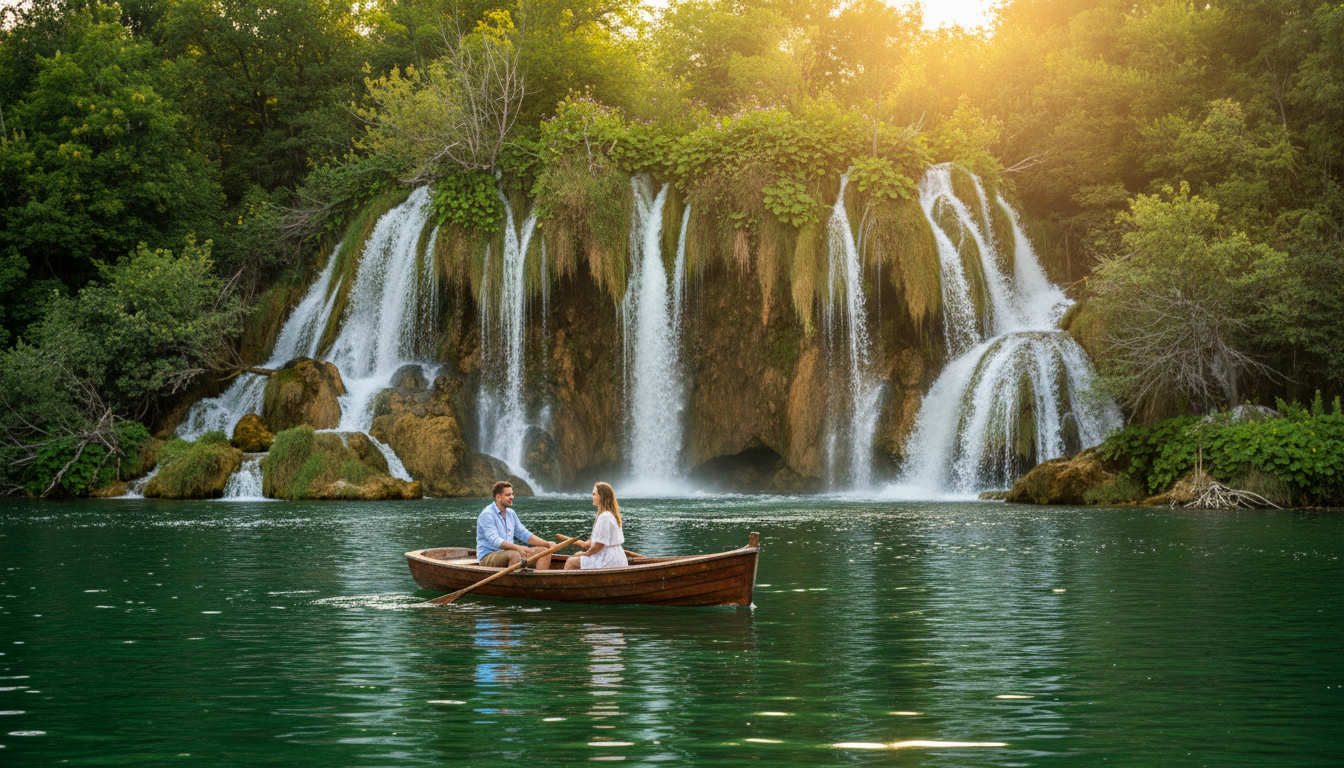
Just a short drive from the city, Krka National Park unveils a world of cascading waterfalls and lush river canyons. This natural wonder is the top day trip from Šibenik. You can reach it in under thirty minutes.
The star attraction is Skradinski buk. It’s a series of seven powerful waterfalls connected by rapids. A two-kilometer walking path circles the area for amazing views.
Entrance Information and Boat Tours
You have two entrance choices. Lozovac provides quick shuttle bus access to the main falls. Skradin offers a scenic boat ride along the Krka River canyon.
Choose Skradin for a memorable journey. The boat trip itself is spectacular. You’ll need a separate ticket for this ride.
Boat excursions inside the park go further. They visit Visovac island with its monastery and Roški slap waterfall. These trips extend your adventure beyond the main cascades.
Regular buses run from Šibenik to both park entrances. Schedules change with the season. Check timetables at the bus station info desk or Tourist Info Center.
Remember to bring cash for bus tickets. Also, book your park entrance online in summer. This guarantees admission on busy days.
Plan for at least three to four hours here. Walk the trails, swim if it’s summer, and soak in the beauty.
How Many Days in Šibenik
Your schedule here can range from a brisk overview to a deep regional exploration. The perfect length for your trip depends on your personal travel style and what you hope to see.
With just one day, you can cover the historic core. You’ll see the cathedral and a fortress, getting a solid feel for the town. This quick visit works if you’re pressed for time.
Most travelers find two days ideal. This gives you a full day for the old town and another for Krka National Park. It’s the perfect balanced itinerary.
Three to five days unlock the wider region. You can add Kornati islands, coastal villages, or Plitvice Lakes. This extra time allows for a relaxed pace and more adventures.
Your ideal itinerary length hinges on preference. Packed sightseers thrive on two days. Those who like to linger should plan for three or more. Šibenik’s compact size makes any visit efficient.
Use your available time wisely to match your interests.
Local Cuisine and Dining Experiences
Šibenik’s dining scene delivers incredible value and flavor, a welcome surprise for travelers. The food here is hearty, fresh, and often served in generous portions. You’ll find fantastic restaurants without the inflated prices of more touristy Croatian cities.
Traditional Konobas and Modern Eateries
For the most authentic experience, seek out a traditional konoba. These registered restaurants serve regional dishes made with local ingredients. Konoba Marenda is a local favorite for homemade Croatian comfort food.
Modern spots offer excellent quality too. Bistro Bava serves what might be the best handmade pasta in Croatia. For unbeatable value, walk 20 minutes from the old town to Buffet Šimun, a hidden gem.
Don’t skip the bakeries. Pekarna Dalma near Poljana Square has fresh pastries at low prices. For a meal with a view, try Bronzin or Stari Grad on the waterfront.
End your day at NaMaLo for Croatian wines or Jack Rabbit Slim’s for creative cocktails. If you visit Skradin, try the famous risotto and cake at Restoran Skala.
Where to Stay in Šibenik: Accommodation Options
Your choice of accommodation in Šibenik directly impacts your experience navigating the city. Picking the right place is a practical first step.
The best area is along the waterfront promenade. You’ll enjoy flat terrain, easy luggage transport, and sunset views from your room.
This location matters because the historic old town sits on a steep hillside. Cars are banned there, so taxis can’t reach deep into the center. You may carry bags up many stone stairs.
From Boutique Hotels to Budget Apartments
Options suit every style and budget. Here are four excellent choices for your stay:
- Heritage Hotel Life Palace: A boutique hotel in the historic district. It offers comfortable rooms and a terrace with panoramic city views.
- B&B Stone Town: A mid-range place a short walk from the center. Rooms are bright and airy, some with unique features like claw-foot tubs.
- Hostel Splendido: A budget-friendly accommodation with dorms and private doubles. It’s beautifully furnished and has a leafy outdoor terrace.
- Local Apartments: Small rentals throughout the old town offer great value. Many feature epic sea or cathedral views from private balconies.
Book your stay well ahead for visits in summer. The best area and specific properties fill up quickly.
Day Itineraries to Maximize Your Visit
Crafting the perfect schedule for your stay here lets you balance historic discovery with natural wonders. Your ideal itinerary depends on the time you have available.
One, Two, and Three-Day Plans
With just one day, focus on the historic core. See the Cathedral and St. Michael’s Fortress. Wander the medieval streets and enjoy an evening stroll to Banj Beach.
A two-day trip is highly recommended. Dedicate your first day to the old town at a relaxed pace. Use your second day for a full trip to Krka National Park and Skradin village.
Three days offer more flexibility. Add visits to Barone and St. John’s fortresses. You can also choose a boat tour to Kornati or a day trip to Plitvice Lakes.
Consider a night tour of the medieval city on your second or third evening. These walks reveal darker history and a magical atmosphere after sunset.
Don’t pack your itinerary too tightly. This place rewards a slower pace. Enjoy long lunches and afternoon coffee breaks.
If you visit in summer, plan active sightseeing for morning and late afternoon. Reserve the hottest hours for the beach or shaded dining.
With five days, you can experience everything. Mix historic sights, national parks, beaches, and adventure activities. This extended itinerary captures the full regional charm.
Your time here is precious. A thoughtful itinerary ensures you make the most of every night and day.
Cultural Sites Off the Beaten Path
Beyond the cathedral and fortresses, a network of intimate sites reveals the layered story of this Adriatic town. These quieter attractions offer fascinating glimpses into local history.
Find the Church of St. Barbara behind the main cathedral. Its facade has an unusual 24-hour clock. Inside, a small museum holds important artworks.
For a spectacular view, visit the tiny Church of All Saints. Perched above the main square, it gives you a unique vantage point of St. James Cathedral.
Seek out the Cave of Our Lady of Lourdes, a 1920s grotto. Locals stop here to pray and light candles. Your cathedral ticket includes the excellent Interpretation Centre. It details the building’s construction and wartime damage.
Poljana Square showcases modern Šibenik. Completed in 2020, it blends contemporary design with medieval surroundings. The Medieval Mediterranean Garden is a peaceful place. It features geometric herb beds and a lovely café.
Today these sites serve the community. Churches hold services, museums educate, and gardens provide retreats. They are perfect for escaping afternoon crowds.
Consider a night tour for a different perspective. Theatrical storytelling reveals the town‘s darker history. It’s a memorable way to experience these cultural attractions after dark.
Planning Your Trip by Season
The Mediterranean climate here offers distinct charms throughout the year. There’s no wrong time to visit, but each season shapes your trip in a unique way.
Best Times to Visit for Pleasant Weather
Summer months from June through August bring the warmest weather. Long days are perfect for swimming and outdoor adventures. This is also peak tourist season, so expect crowds.
For a calmer experience, consider the shoulder seasons. April to May and September to October offer pleasant temperatures around 20°C (68°F). You’ll encounter fewer tourists and often lower prices.
Rainfall can occur any time of year. November and December are typically the rainiest. Pack a light rain jacket for your trip.
January is the coldest month. Temperatures hover around 15°C (59°F) or lower. While mild, it’s not ideal for beach time. Winter visits work well for exploring museums and fortresses without crowds.
If swimming at Krka National Park is a priority, plan your visit between June and September. Book accommodations and tours well in advance during summer. This ensures availability and better rates.
Travel Tips and Practical Advice
To make the most of your visit, a few practical tips can smooth your way and enrich your experience. This historic city offers a genuine glimpse into local life compared to busier coastal towns.
Efficiency, Budgeting, and Local Insights
Your trip here can be both efficient and affordable. Follow this guide to smart things you should know. Planning your time wisely is key for the best things.
Locals are notably friendly, often greeting passersby with “dobar dan.” Learning a few Croatian phrases is appreciated. You’ll notice many well-fed stray cats adding to the Mediterranean charm.
Always carry cash for bus tickets and smaller shops. Croatia uses the Euro, simplifying transactions. Wear sturdy shoes with good grip for the slippery stone stairs.
Download offline maps before exploring the maze-like streets. Start early in summer to beat heat and crowds. This guide also suggests renting a car for easy day trips.
Consider the combined fortress ticket for better value. Check attraction hours during shoulder season. Using the city as your base offers an authentic experience. These practical things let this guide help you discover hidden gems.
Conclusion>
Ultimately, Šibenik captivates not as a checklist of sights, but as a living, breathing Adriatic town. Its authentic charm makes you feel part of the local scene. The true beauty is found in everyday moments along its stone streets.
A two-day stay hits the perfect balance. You’ll explore the historic core and visit stunning Krka National Park. The city’s incredible food is a major highlight, offering fantastic value and flavor.
Today, this remains a rare find on the Dalmatian Coast. Visit soon to experience its genuine beauty and welcoming vibe. You’ll leave planning your return, having discovered a place that feels like home.