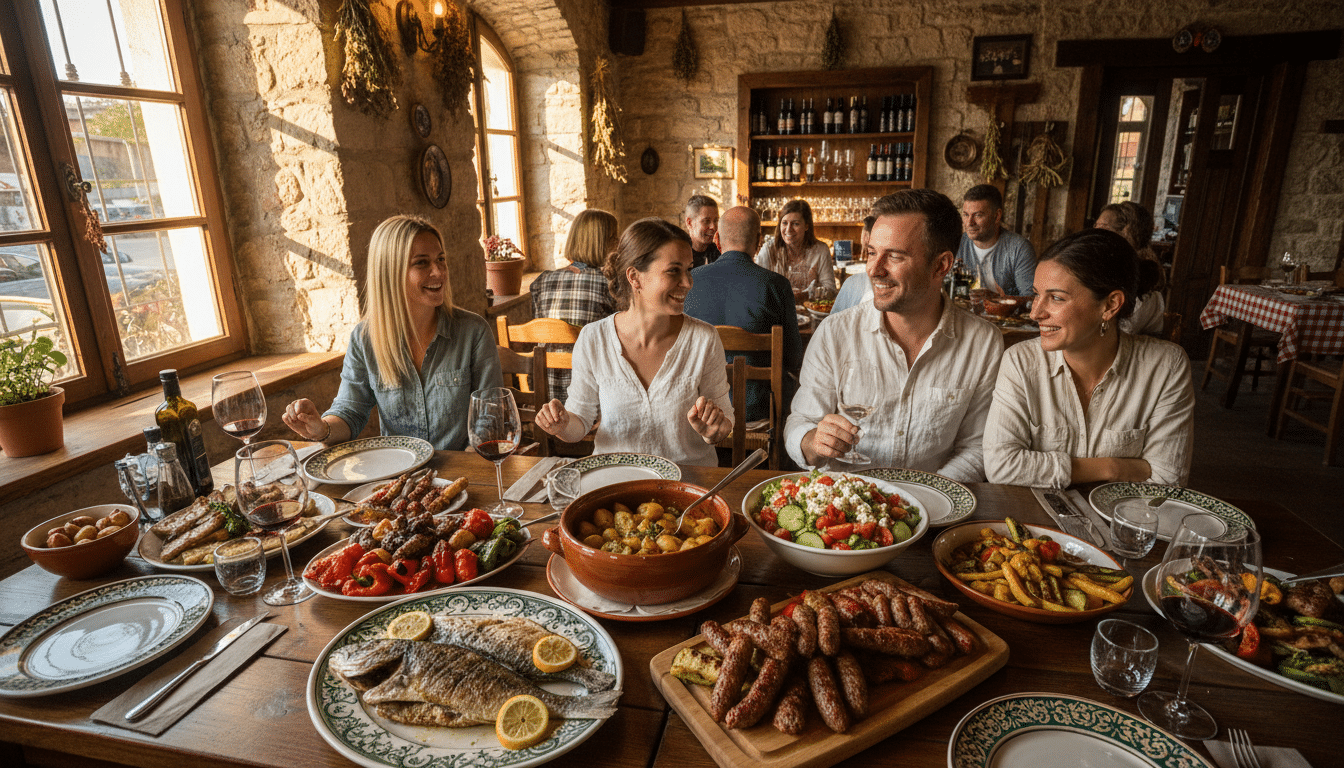
Imagine sitting down at a rustic wooden table, the air filled with the aroma of grilled seafood and herbs. A plate arrives, generously filled with food that speaks of local tradition and warm hospitality. Understanding the typical amount of food served in this country is your first step to a truly satisfying meal.
You’ll find that meals here are often substantial, reflecting a culture centered around sharing and enjoying life. This approach means you can expect a focus on fresh, high-quality ingredients rather than small, artistic presentations. Inland regions, known for hearty dishes, often serve larger amounts compared to coastal spots specializing in seafood.
Knowing what to expect helps you order with confidence. It allows you to fully enjoy the experience without surprise. You can savor each bite, appreciating the care that goes into each dish.
Key Takeaways
- Meals are typically generous, reflecting a culture of hospitality and sharing.
- The amount of food often exceeds what you might expect from American restaurants.
- Understanding serving traditions helps you avoid waste and enjoy your meal.
- Serving sizes can vary between coastal and inland establishments.
- One main dish is often enough for a satisfying meal, sometimes with leftovers.
- The focus is on fresh, seasonal produce prepared simply.
- Meals are designed to be substantial and nourishing.
Understanding Croatian Dining Culture
The heart of Croatian social life beats around the dinner table, where food serves as the centerpiece of daily rituals. You’ll discover that dining here transcends mere eating—it’s a cherished experience woven into the fabric of local life.
A Brief Overview of Croatian Cuisine
Croatian cuisine blends Mediterranean, Central European, and Balkan influences. This creates a diverse culinary landscape across the country. Each region offers unique specialties shaped by geography and history.
Coastal areas feature fresh seafood with light preparations using olive oil and herbs. Inland regions favor heartier meat dishes with rich sauces. The food reflects centuries of tradition and local ingredients.
Cultural Influences on Meal Sizes
Historical influences from Austro-Hungarian, Venetian, and Ottoman rule shaped dining traditions. These cultural roots directly impact how much food appears on your plate. Restaurant servings mirror generous home cooking customs.
Lunch traditionally serves as the largest meal of the day. It often lasts one to two hours and includes multiple courses. This balanced approach ensures satisfaction without excess.
Seasonal availability also affects what you’ll find on the menu. Summer meals feature more vegetables, while winter brings richer, comforting dishes. The emphasis remains on fresh, locally sourced ingredients.
portion sizes croatia: A Practical Guide
The practical reality of dining out here involves understanding how much food actually arrives at your table. This knowledge helps you order wisely and enjoy your meals without waste.
Standard Meal Portions and Comparisons
Main courses typically weigh 300-500 grams, which is significantly larger than American restaurant servings. A single plate often provides a complete meal with protein, vegetables, and starches.
Meat dishes include 200-300 grams of protein plus generous sides. Seafood meals feature whole fish or substantial shellfish preparations. Pasta and risotto servings could easily feed two people in the United States.
How Local Ingredients Affect Serving Sizes
Seasonal availability directly influences what you receive. Summer brings larger vegetable dishes using fresh produce. Winter focuses on preserved items and root vegetables.
Restaurants like Restoran Bijelo-Plavi in Osijek showcase how local ingredients determine serving amounts. Chefs work with whole ingredients rather than precise measurements.
This approach means portions can vary slightly from day to day. The focus remains on fresh, quality ingredients that change with the seasons.
Exploring Regional Variations in Meals
Each area offers its own take on hospitality through distinctive dishes and serving styles. The diversity reflects centuries of adaptation to local resources and cultural influences.
Inland Classics vs. Coastal Specialties
Continental regions like Zagreb and Slavonia serve hearty meals built around meat and stews. You’ll find generous servings of čobanac or pašticada that reflect agricultural traditions.
Coastal areas from Istria to Dubrovnik focus on seafood with lighter preparations. Restaurants like Konoba Nikola in Stobreč serve complete fish dishes that satisfy without overwhelming.
Island Traditions and Unique Flavors
The islands each celebrate their culinary identity through simple, flavorful foods. Brač is famous for lamb, while Pag produces distinctive sheep’s milk cheese.
Island dining emphasizes quality ingredients over quantity. A single portion of Hvar’s fish stew or Vis’s savory pie delivers intense local flavor.
These regional differences enrich your travel experience. They show how geography and history shape daily life through food traditions.
Tips for Enjoying Authentic Croatian Meals
To truly savor the local dining scene, knowing where and when to eat makes all the difference. These simple strategies help you experience meals the way locals do, ensuring every bite is memorable.
Where to Experience Local Dining
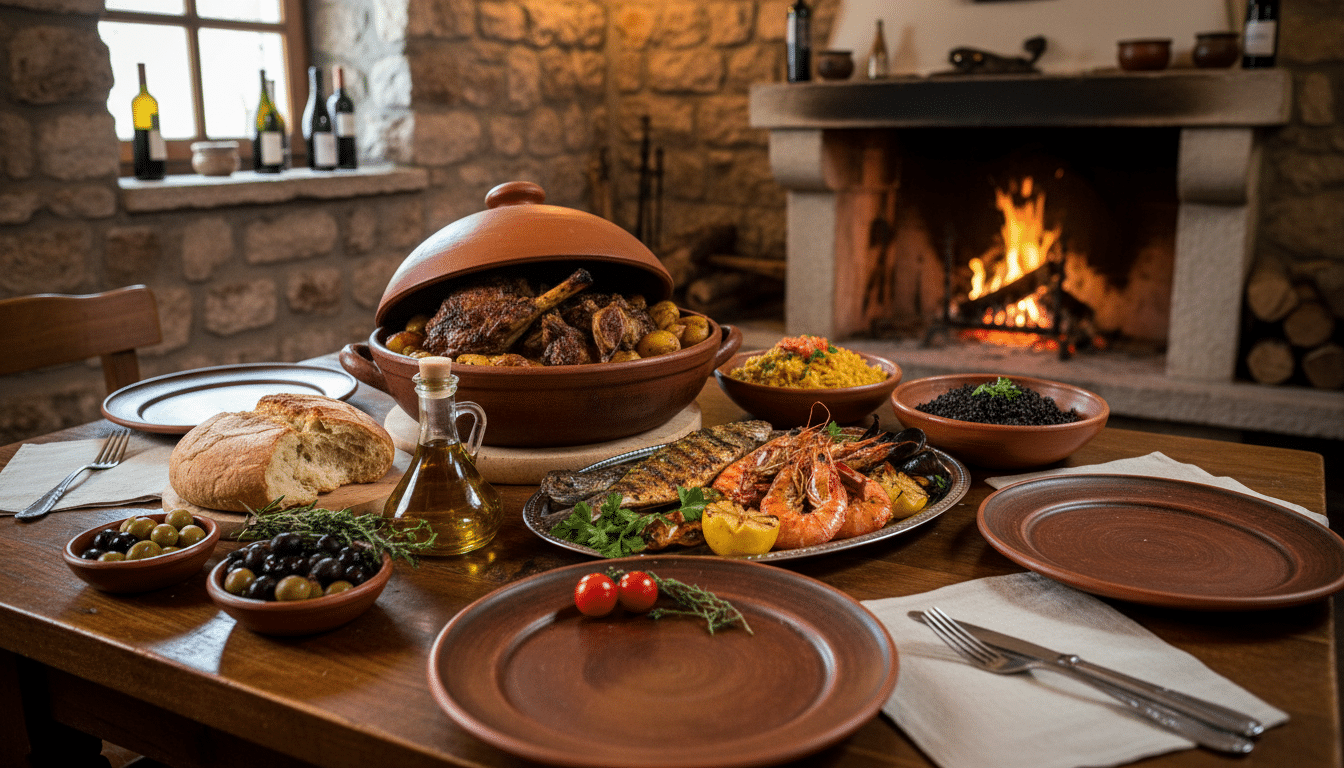
Seek out family-run konobas and traditional restaurants for the most genuine experience. These spots use recipes passed down through generations, reflecting true home cooking.
Places like La Štruk in Zagreb or Konoba Nikola near Split serve amazing foods in a welcoming atmosphere. Dining where local families eat connects you to daily life and often offers better value.
Plan your main meals for midday. Many restaurants serve daily specials at lunch with the same generous servings as dinner, but at a better price. This is a smart way to structure your day.
Seasonal Choices and Fresh Produce
Eating with the seasons is central to the culinary life here. Menus change to highlight the freshest ingredients available that day.
Visit a morning market to see the vibrant produce. This helps you choose menu items at their peak. Spring brings lamb and fresh vegetables, while summer offers abundant seafood.
You can often request a half order, which is perfect for trying multiple dishes. This approach minimizes waste and lets you enjoy a wider variety of foods throughout your day.
Conclusion
Understanding local serving customs transforms your dining experience from uncertainty to confident enjoyment. You can now approach restaurant menus with knowledge that helps you order appropriately for your appetite.
Apply these insights throughout your day by planning your main meal at lunchtime. Seek out family-run establishments where home-style cooking reflects genuine local life. This approach lets you savor authentic food while respecting local traditions.
Your awareness of typical portion sizes ensures you waste less and enjoy more. Each meal becomes an opportunity to connect with the culture of this diverse country. You’ll return home with richer memories of shared tables and generous hospitality.