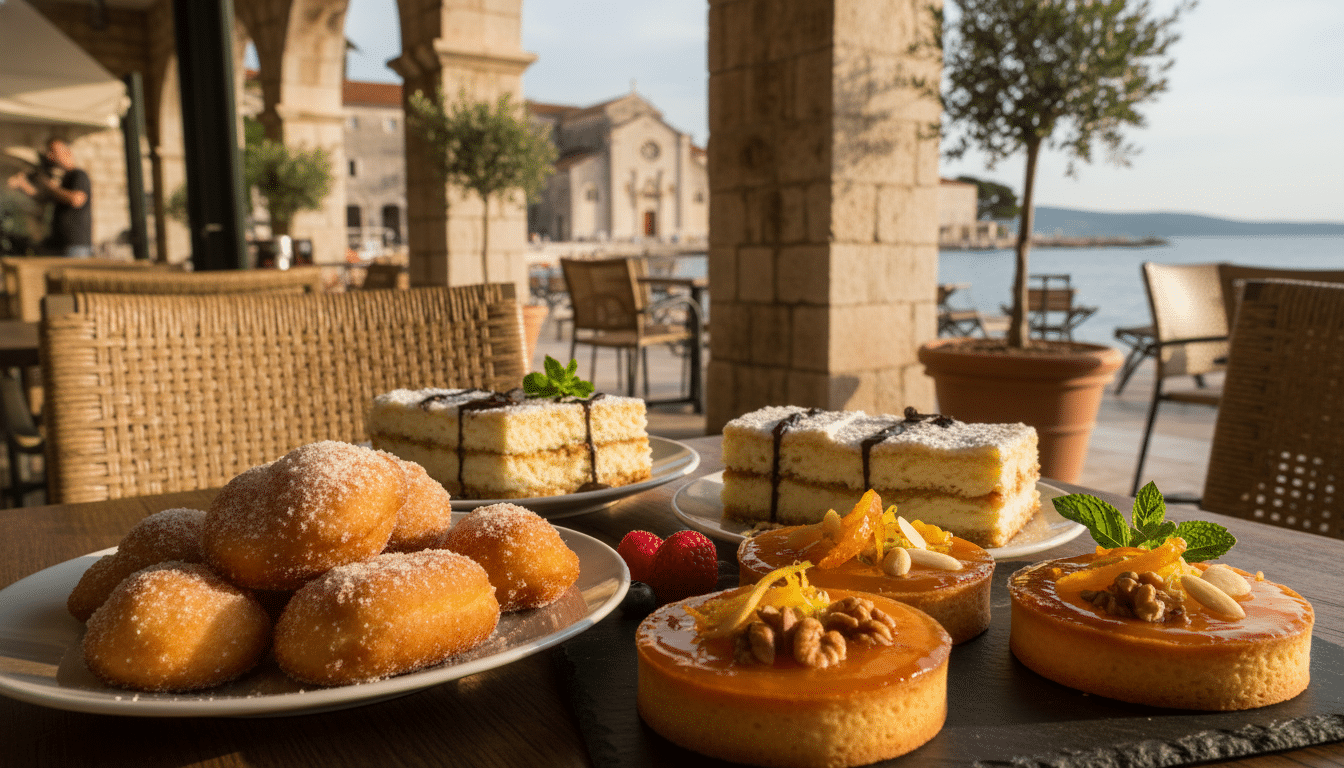
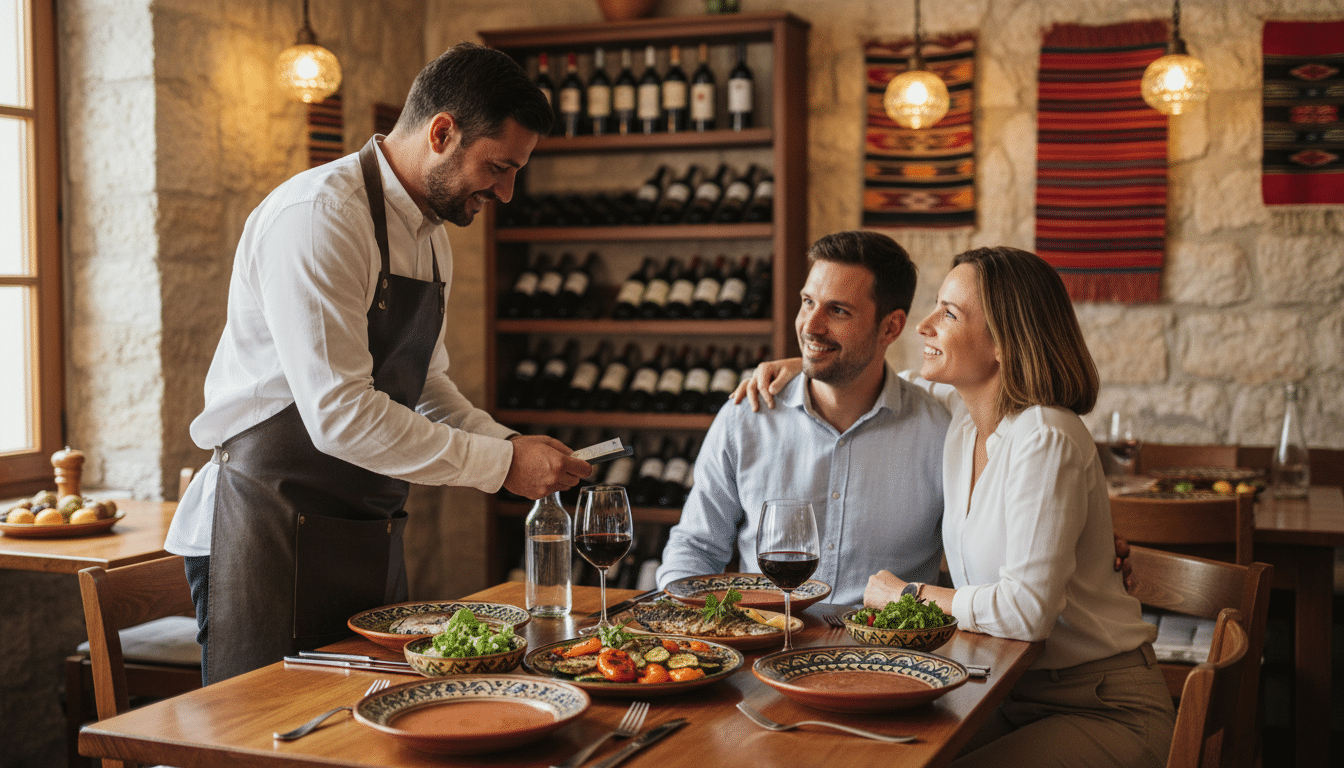
Picture yourself finishing a delicious meal at a seaside restaurant in Croatia, the Adriatic breeze gently rustling the tablecloth. As the bill arrives, a familiar question pops into your head. But the rules for showing appreciation here are different from back home.
Workers in the Croatian service industry earn a base wage, unlike in the United States where staff rely heavily on customer gratuity. This means your gesture, while welcomed for good service, is not an obligatory part of the dining experience. It’s a genuine bonus for a job well done.
Understanding this key difference helps you navigate your meals with confidence. You can focus on enjoying the fantastic food and atmosphere without guessing about local expectations. This guide will walk you through the simple, respectful ways to express your gratitude during your travels in this beautiful country.
Key Takeaways
- Croatian restaurant staff receive a base salary, so gratuity is not essential for their income.
- The culture around tipping is more relaxed compared to the United States.
- Leaving a little extra is a nice way to thank someone for excellent and friendly service.
- Knowing the local customs prevents awkward situations and helps you budget accurately.
- This knowledge applies mainly to restaurants but is useful for other services you’ll encounter.
Understanding Tipping Culture
When you arrive in this Mediterranean destination, you’ll quickly notice that the approach to showing appreciation differs significantly from American customs. The entire dynamic feels more relaxed and optional.
Workers here receive a regular salary as part of their employment. This fundamental difference changes how you should think about gratuity during your visit.
Differences Between Croatia and the US
In the United States, restaurant staff often depend on customer generosity for their income. Here, service workers earn a base wage that covers their living needs.
This means your gesture becomes a genuine bonus rather than an expected supplement. You can focus on the quality of service received when deciding whether to leave something extra.
The common practice across the country involves smaller, more flexible amounts. Your automatic 15-20% calculation from home doesn’t apply in this context.
Key differences include:
- Workers have stable incomes not tied to customer generosity
- Gratuity is appreciated but never demanded
- You reward exceptional service rather than fulfill obligation
- Amounts are typically smaller and more discretionary
This understanding helps you interact with staff in a more natural way. You avoid over-tipping while still showing appropriate gratitude for outstanding service.
Tipping in Croatian Restaurants: What to Expect
Navigating restaurant customs becomes straightforward when you know what to expect from the moment you sit down. The process follows a comfortable rhythm that respects your dining pace.
You’ll notice the service charge is already included in your meal price. This means the amount on your bill covers the full dining experience.
Service Charges and Cash Tips
Your gratuity must be given in cash since establishments don’t offer card tip options. Carry local currency specifically for this purpose.
The standard method involves leaving your cash under a plate or in the receipt wallet. This ensures the server collects it when clearing your table.
For casual restaurants like pizzerias, 5% is appropriate. Nice dinners warrant 10%, increasing to 15% for exceptional service.
Handling the Bill and Requesting It
You’ll need to ask for your bill when ready to leave. Servers won’t bring it automatically, allowing you to enjoy your meal without feeling rushed.
Many locals use the round bill approach for simplicity. If your meal costs 47 kuna, leaving 50 kuna works perfectly.
This round bill method is especially practical for smaller amounts. It shows appreciation without complex calculations.
tipping in croatia: Essential Guidelines for Travelers
Having a clear plan for showing appreciation makes your dining experiences smooth and enjoyable. These simple guidelines help you express your gratitude appropriately.
Understanding the local tipping etiquette is the first step. It’s all about rewarding great service.
Basic Tip Percentages
A good rule is to plan for a tip amount of about 10% of your total bill. This is a standard baseline for satisfactory service.
For service that truly stands out, consider increasing your tip amount to 15% or even 20%. This shows exceptional gratitude.
Your final tip can depend on a few factors:
- The type of restaurant, from a casual spot to a fine dining establishment.
- The total cost of your meal and the size of your group.
- The overall quality of the food, atmosphere, and staff attentiveness.
Practical Ways to Show Gratitude
Remember, your waiter often shares their tip with the kitchen team. Your gesture supports everyone who made your meal special.
In bars and cafes, the tipping etiquette is simpler. You can just tip around by rounding up the bill to the nearest convenient number.
This flexible approach to tip croatia allows you to focus on your experience. After a great meal, you might want to explore other local wonders, like the best waterfalls near Sibenik to visit.
Tips for Tipping in Hotels and Accommodations
Beyond restaurant dining, your accommodation presents additional opportunities to show appreciation for quality service. Understanding hotel etiquette helps you navigate these interactions smoothly.
Showing gratitude at your hotel is never mandatory but always appreciated. The staff work hard to ensure your comfort during your stay.
Housekeeping and Concierge Etiquette
Housekeeping staff maintain your room daily. Leaving about 5 euros per day on your nightstand with a note ensures the right person receives your tip.
This daily recognition shows proper appreciation for their hard work. The concierge deserves special acknowledgment for exceptional service.
For securing difficult reservations or arranging special experiences, 10-15 euros is appropriate. Basic help like taxi calls doesn’t require a tip.
Porters and Additional Service Providers
Porters handling your luggage appreciate about 1 euro per bag. Have small bills ready when you check into your hotel.
Valet service warrants 5-10 euros each time they retrieve your car. This applies per interaction, not just once per stay.
When settling your final bill, consider leaving 15-20% cash for staff who helped behind the scenes. This covers various hotel team members.
High-end hotels may have multiple staff assisting you throughout the day. Budget accordingly for these helpful interactions with the hotel staff.
Handling Tipping for Taxi Drivers and Tour Guides
Getting around a new country often involves taxis and guided experiences. Knowing how to show appreciation for these services is key to a smooth trip.
For taxi rides, the approach is simple and flexible. Many locals simply round up the fare to the nearest convenient amount.
Rounding Up Fares
If your taxi ride costs 4.70 euros, paying 5 euros is a common and appreciated gesture. This is especially true for short journeys.
For longer trips or if the driver helps with luggage, a 10% tip on the fare price is a generous standard. Remember, this gesture is discretionary.
Expressing Appreciation for Guided Tours
Your tour guide plays a vital role in your experience. They deserve recognition for their knowledge and service.
The standard tip for a tour guide is about 10% of the tour cost per person. For a 100-euro tour, plan for at least 10 euros per person.
Consider these factors when deciding on your final amount for the guides:
- The friendliness and knowledge of your tour guide
- The length and overall quality of the tour
- Whether it was a private or group experience
Exceptional service that exceeds expectations always warrants a more generous thank you.
Tipping Practices for Boat Crews and Cruise Managers
Your time on the water involves a team working tirelessly behind the scenes to make your journey exceptional. These marine professionals often work 12+ hour days with minimal breaks throughout your entire voyage.
Showing appreciation for their dedication requires understanding specific guidelines. The baseline gratuity reflects the intensive nature of marine hospitality work.
Standard Tip Amounts Per Cabin
The standard amount starts at 200 euros for the boat crew and 150 euros for the cruise manager. This is calculated per person sharing a cabin, not per individual traveler.
Your crew handles navigation, safety, meals, and cabin maintenance. The cruise manager coordinates logistics and ensures smooth operations. These baseline amounts acknowledge their comprehensive service.
Rewarding Exceptional Service
When your team creates unforgettable moments, consider increasing the tip amount. Finding secluded swimming spots or preparing special meals warrants extra gratuity.
You can present the total in one envelope or distribute individual amounts. Private charters typically deserve more generous recognition than larger vessels. The emotional demands of marine work justify appreciating exceptional efforts.
Cash vs. Card: Best Ways to Present Your Tip>
Planning how you’ll handle gratuity involves more than just deciding the amount. The method of payment is a critical detail. You will find that your credit card is a convenient option for settling your restaurant bill, but it is not the right way to leave a tip.
Using Local Currency Effectively
There is no option to add a gratuity to your card payment. The only way to show appreciation is with physical cash. This means you should always have some Euros on hand.
Using the local currency is essential. Foreign money creates a hassle for service staff. They would have to exchange it, often losing value to fees.
A simple way to handle your final bill is the round bill approach. If your meal costs 38 Euros, leaving 40 is a clear and appreciated gesture. This method works perfectly with cash.
Get small denomination notes soon after you arrive. This prepares you for taxi drivers and hotel porters. Your thoughtful preparation ensures your gratitude goes directly to those who earned it.
Adapting Tipping Practices to Local Customs
The way people express gratitude for service changes as you move from coastal resorts to inland villages across the country. Your approach should adapt to these regional differences for a more authentic experience.
Observing Regional Variations
Tourist-heavy coastal areas like Split and Dubrovnik have different expectations than rural towns. In popular destinations, service staff often anticipate gratuity more consistently.
Smaller communities maintain more relaxed customs. Observing how locals interact with service providers gives you valuable insight into appropriate etiquette.
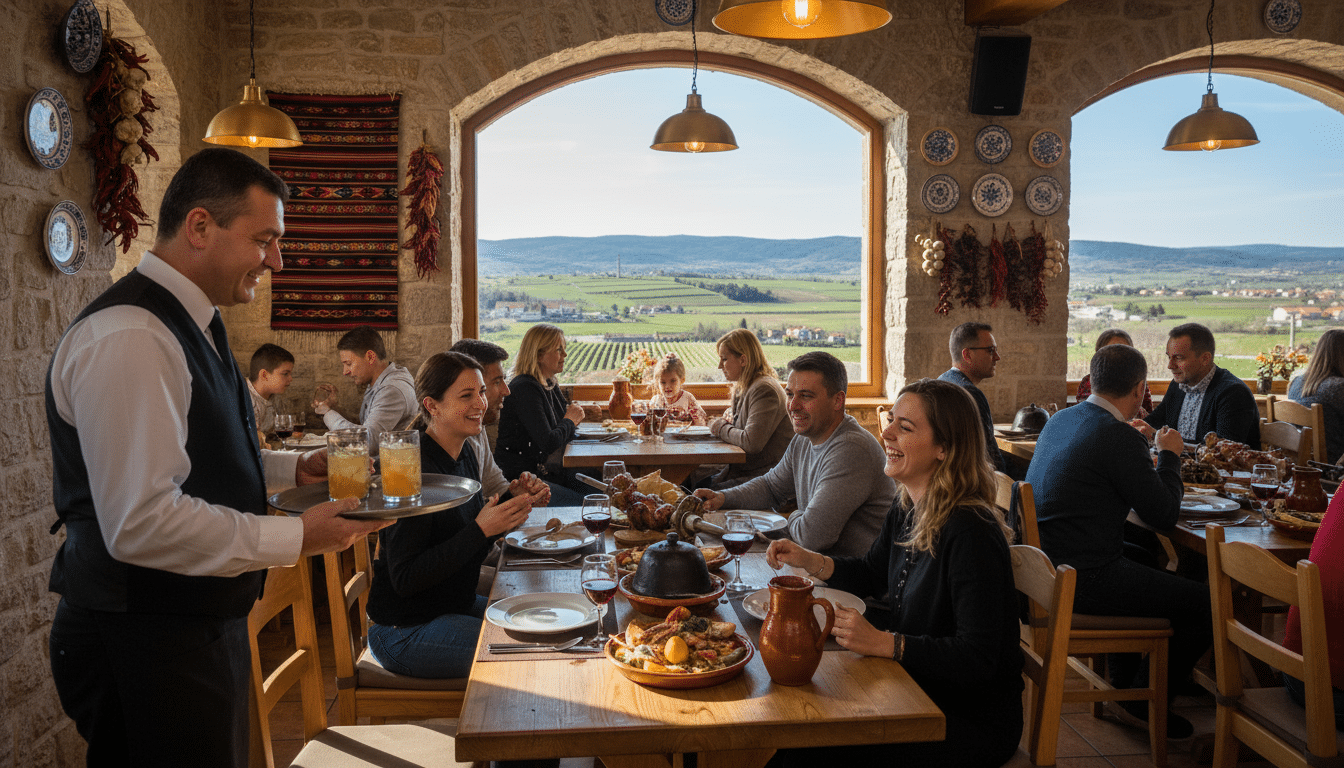
Always check your bill for included service charges before deciding on an additional amount. Some establishments build this into the total price, while others leave it to your discretion.
Your personal satisfaction and the quality of service should guide your decisions. The practice of showing appreciation continues to evolve as tourism grows.
Consider these key factors when adapting to local customs:
- Coastal tourist areas often expect consistent gratuity, while inland regions are more relaxed
- Service charges may be included automatically—check your bill carefully
- Follow local cues and observe how residents express appreciation
- Your judgment based on service quality should be the final guide
- Workers often earn modest wages, making thoughtful gestures meaningful
The amount you choose reflects both service quality and your budget. This flexible approach ensures your gratitude feels genuine and appropriate for each situation.
Conclusion
Your final decisions about expressing thanks should reflect both the quality of service and your personal satisfaction. Remember that gratuity amounts are guidelines, not strict rules.
These tips help you budget for various services throughout your trip. At restaurants, consider 5-15% based on your experience. For bars, rounding up your bill works well. Tour guides deserve around 10% per person.
Hotel staff, taxi drivers, and other service providers appreciate recognition for their hard work. Your gratitude supports local workers while respecting cultural customs. Thoughtful gestures create meaningful connections during your travels.