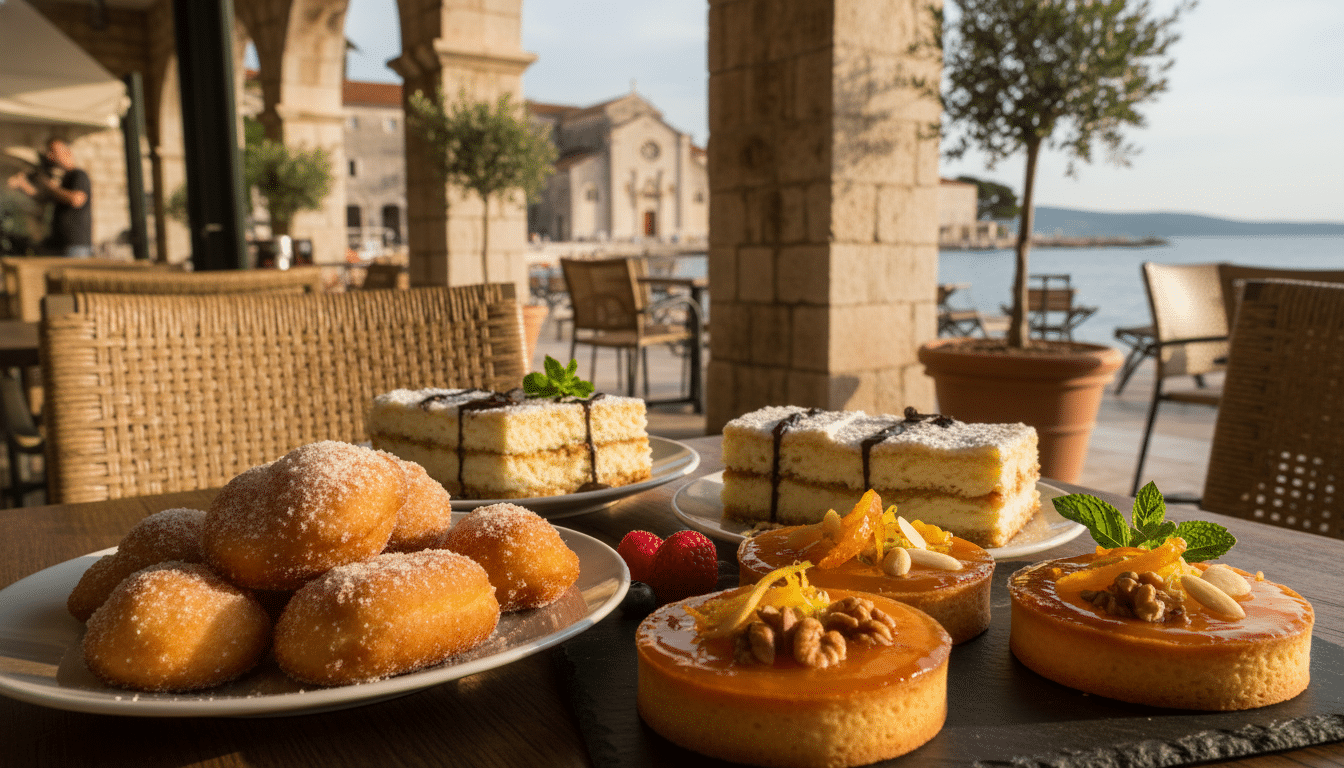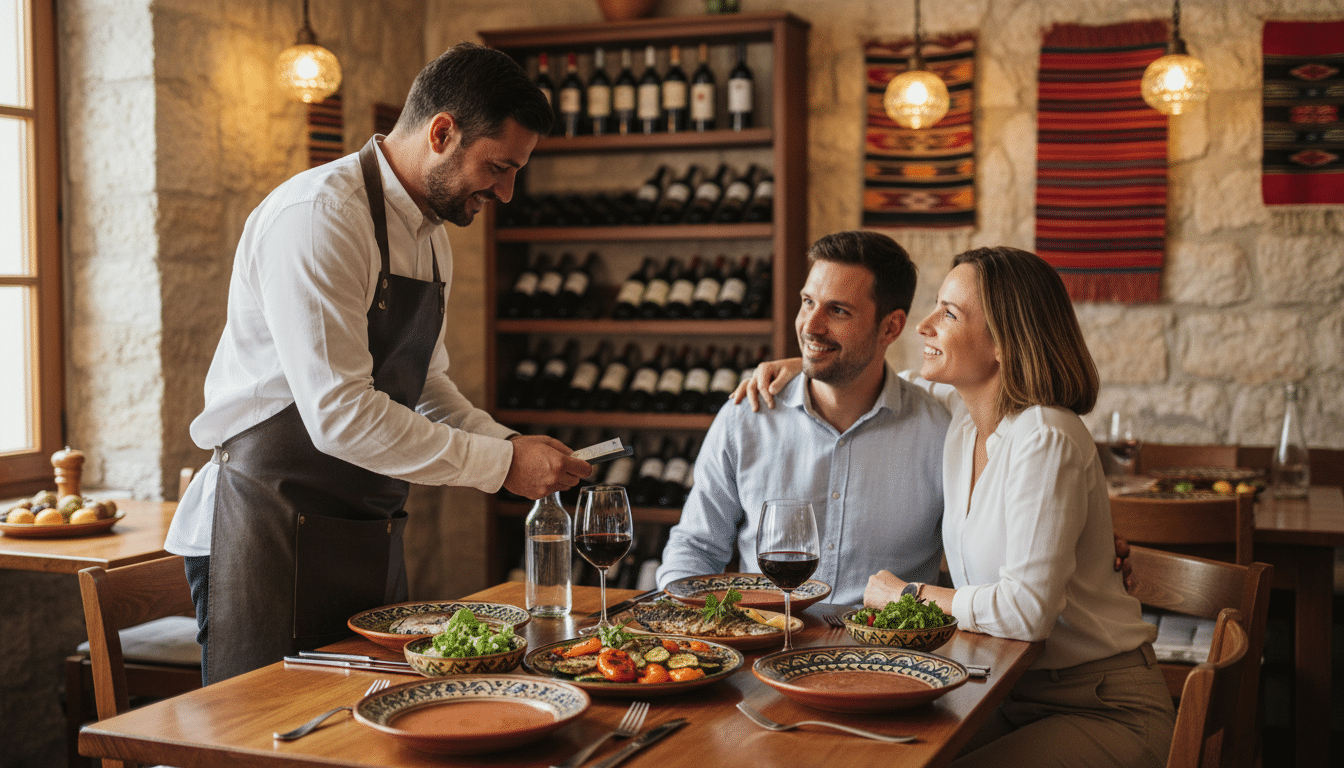
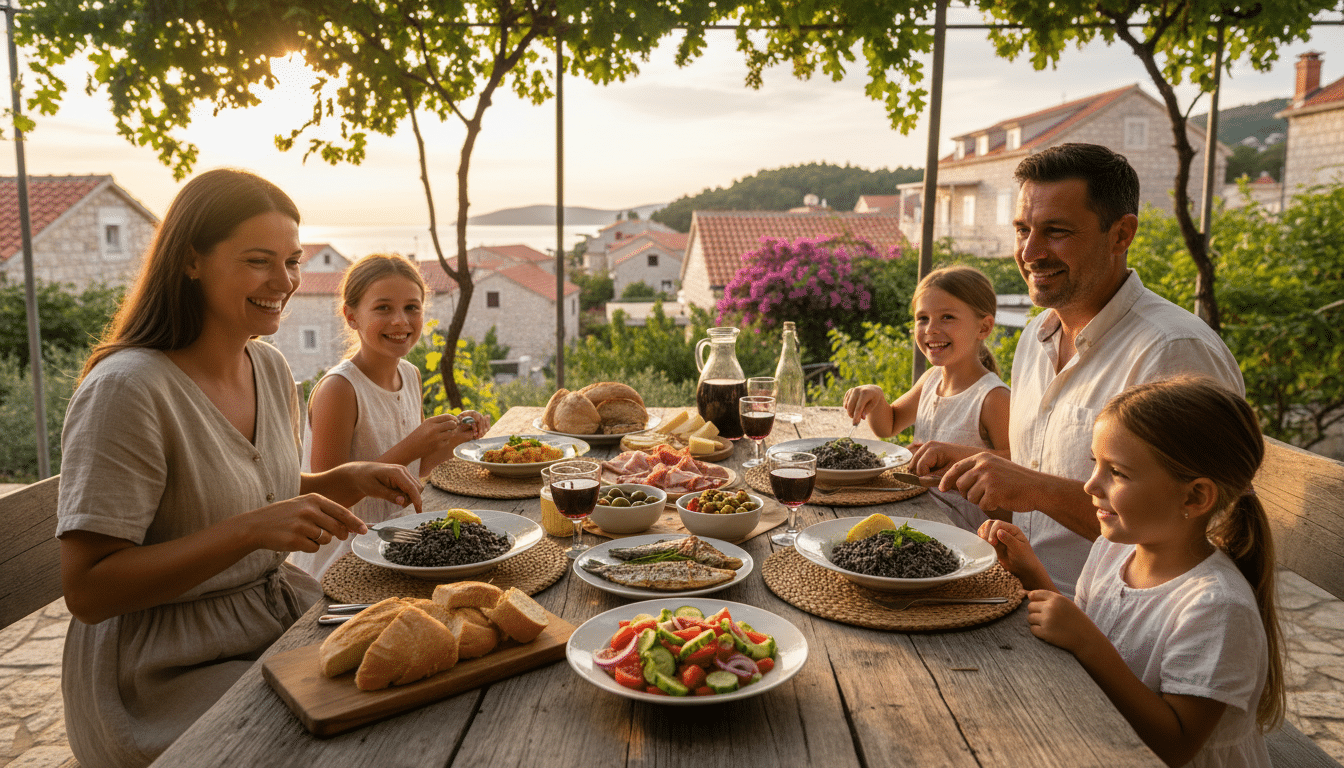
Imagine sitting at a sun-drenched cafe, the Adriatic Sea sparkling in the distance, while locals gather for their main meal of the day. The rhythm of dining in this beautiful country follows a different beat than what you might expect back home.
Croatia’s culinary heartbeat centers around lunch as the primary feast. Locals typically enjoy this substantial meal later in the afternoon rather than in the evening. This pattern reflects the nation’s blend of Mediterranean and Central European influences.
You’ll find that breakfast out isn’t common local practice. Instead, morning coffee rituals lead into brunch options available from mid-morning. The focus remains on fresh ingredients and leisurely enjoyment.
Understanding these daily patterns helps you experience authentic food culture. You can plan your day around when establishments are truly busy or closed. This guide ensures you won’t miss the best culinary moments during your visit.
Key Takeaways
- Lunch serves as the main meal of the day rather than dinner
- Locals typically dine later in the afternoon for their primary feast
- Breakfast eaten out is not part of traditional local culture
- Brunch options are commonly available between 10:30 AM and midday
- The timing patterns reflect Mediterranean and Central European influences
- Adjusting your schedule helps you experience authentic food culture
- Knowing local patterns ensures you find restaurants open and serving fresh meals
The Croatian Meal Structure
Understanding the daily rhythm of meals helps you connect with local life. The structure of the day revolves around one central, hearty feast.
Breakfast and Brunch Culture
A full morning meal is not a major part of local custom. Most people start their day with a strong coffee and a light pastry.
Brunch options fill the gap from 10:30 AM to noon. You can find smaller, lighter versions of lunch dishes during this window.
Lunch as the Main Meal
Lunch is the main meal of the day. Families gather for this substantial feast between noon and 3 PM.
This multi-course affair is the heart of the local food culture. It often features hearty, traditional dishes.
After this large midday meal, the evening fare is typically much lighter. Many people opt for just a small plate or a simple snack later on.
Eating Times Croatia: A Closer Look
As you travel across this beautiful country, you’ll notice that meal schedules shift with the landscape. Different places have developed their own rhythms based on climate and tradition.
Regional Variations
Coastal areas follow relaxed Mediterranean timing. People along the Dalmatian coast often dine later, especially during summer heat.
Inland cities maintain more punctual Central European schedules. Zagreb residents typically eat lunch between 12 and 2 PM.
Cultural Significance
Meals represent much more than nourishment here. They’re sacred time for social bonding and family connection.
Locals treat dining periods as non-negotiable daily rituals. Businesses often close so everyone can eat together properly.
This way of life reflects deeper values about work-life balance. Understanding these patterns helps you plan your day around local rhythms.
Respecting meal times gives you access to better food quality and more authentic experiences. You’ll find friendlier service when you sync with local schedules.
Morning Meals and Coffee Rituals
Your morning in this Adriatic nation truly begins with the rich aroma of coffee, not a large meal. The local approach to starting the day is centered on connection and a slow pace.
Coffee as a Social Ritual
Here, coffee is a social event. A single espresso can last an hour or more. Friends chat and watch the world go by.
This morning ritual typically happens between 8 and 11 AM. Cafes fill with locals who value this time for relaxation.
You’ll usually get a strong black espresso. You can also order kava sa mlijekom (with milk) or bijela kava, similar to a latte.
Light Breakfast Options
A full breakfast out is not common local practice. Most people enjoy their coffee with a simple pastry from a bakery.
When available, a morning meal is light. It often includes bread, local ham, cheese, and jam. Hotel breakfasts cater more to tourists with these spreads.
Understanding this culture helps you slow down. Embrace the focus on connection over a quick meal.
Lunch: The Center of Croatian Dining
Between 12 and 2 PM, you’ll witness a cultural tradition that defines the local way of life. This two-hour window represents the primary eating period when restaurants buzz with activity.
Traditional Dishes and Serving Times
The midday meal typically features multiple courses. You might start with soup or salad before enjoying a substantial meat or fish dish.
Traditional favorites like pašticada or brodet are served fresh during this time. These hearty dishes reflect the importance of this main meal in daily life.
Family Gatherings and Work Breaks
Family connections strengthen around the lunch table. Multiple generations often gather for this important meal, especially on weekends.
Many businesses close or reduce operations during this hour. This allows employees to properly enjoy their food and rest before returning to work.
Planning your most important dining experience for lunch ensures you experience local culture at its peak. You’ll find the best daily specials and fullest kitchen operations.
Afternoon Delights and Marenda
When hunger strikes between traditional meal periods, you’ll discover a practical solution to midday cravings. This bridge between morning coffee and the main feast offers authentic local experiences.
Midday Snacks and Street Fare
Look for casual spots serving marenda along the coast or gableci inland. These affordable places offer home-cooked food prepared fresh each morning.
Typical dishes include hearty stews, grilled meats, and daily specials. You’ll often get soup and a main course for €5-€9. Menus change based on what’s available.
Street vendors provide quick bites like burek or ćevapčići. These options are perfect when you need energy between sightseeing.
Local Markets and Seasonal Treats
Morning markets showcase the freshest ingredients until early afternoon. You’ll see what locals actually buy and cook with each day.
These markets offer the best seasonal treats. Look for fresh figs in summer or chestnuts in autumn. The treats reflect what restaurants will feature.
Visiting helps you understand the culture beyond tourist menus. You’ll discover authentic flavors that define the meal of the day.
Evening Dining and Dinner Trends
The transition from afternoon to evening brings a noticeable change in the culinary landscape. After the substantial midday feast, the evening meal takes on a much lighter character.
Most locals prefer simpler options for their final meal of the day. They often choose soup and salad, light pasta dishes, or simple grilled fish.
Dinner service typically begins around 6 or 7 PM. Many kitchens close between 3 and 4 PM before reopening for the evening.
This creates a gap in late afternoon dining options. Plan accordingly to avoid hunger during this break period.
Tourist-focused restaurants often stay open later with fuller menus. Local spots may offer limited evening selections since residents don’t typically eat heavy meals at this time.
Coastal areas see dinner service extending until 10 PM or later during peak season. The relaxed atmosphere encourages lingering over your meal without pressure to vacate quickly.
Understanding these patterns helps you plan your evening. You can embrace the local custom of a light dinner or seek establishments catering to international preferences for heartier evening fare.
Coastal vs. Inland Eating Practices
From the Adriatic shoreline to the continental interior, dining experiences transform dramatically. The country’s geography creates two distinct culinary worlds with different ingredients and preparation styles.
Seafood and Mediterranean Influences
Along the coast, Mediterranean flavors dominate the local cuisine. You’ll find fresh seafood grilled with olive oil, garlic, and wild herbs.
Simple preparation lets quality ingredients shine. Popular dishes include black risotto, octopus salad, and seafood pasta.
Hearty Inland Cuisine
Inland regions feature rich, comforting food with Central European roots. Meat-heavy stews and roasted dishes reflect this tradition.
Cheese lovers will appreciate fresh cow’s and sheep’s milk varieties. These often appear in flaky pastries or simple plates.
River fish stews and warming soups start many meals. The hearty cuisine suits the cooler climate and traditional lifestyle.
Understanding these regional differences helps you adjust expectations. Coastal spots serve lighter fare while inland establishments offer substantial comfort food.
Seasonal Variations in Meal Times
The changing seasons bring a fascinating rhythm to the culinary calendar. Your dining experience will shift dramatically depending on when you visit.
Summer Light Meals
During the hot summer months, locals prefer lighter fare. You’ll find menus featuring grilled fish, fresh salads, and chilled local wines.
This time of year encourages outdoor dining. People enjoy their main meal later in the evening when temperatures cool.
Fresh fruit becomes a staple dessert option. The warm weather makes heavy dishes less appealing.
Winter Comfort Foods
The colder winter months bring heartier traditions. Restaurants serve warming stews and roasted meats.
This time of year sees earlier dining hours. People gather for substantial meals that provide warmth and energy.
Preserved foods replace fresh fruit on menus. The cuisine reflects the need for nourishment during colder weather.
Understanding these seasonal patterns helps you plan your visit. You’ll know what to expect and when to enjoy authentic dining experiences.
Influence of History and Geography on Dining>
You can taste centuries of cultural exchange in the rhythm of meals across different regions. This nation’s position between major empires created a unique culinary blend.
The coastal areas showcase strong Mediterranean flavors. Inland regions reflect Central European and Ottoman traditions. This geographic division shapes what people enjoy and when they gather for meals.
Historical influences created distinct dining patterns. Austro-Hungarian rule brought structured meal times with lunch as the main event. This Central European approach differs from purely Mediterranean schedules.
Geography determines both ingredients and dining habits. Mountainous areas developed heartier fare for agricultural workers. Coastal communities adopted relaxed timing suited to fishing and warmer climates.
This rich background explains why regional specialties vary so much. It also shows why finding authentic local best budget-friendly restaurants in Sibenik offers such diverse experiences. Each area proudly maintains its unique food traditions.
The way people approach dining reflects this complex heritage. Family gatherings and leisurely meals connect to both historical necessity and geographic abundance. Understanding this context helps you appreciate the local cuisine more deeply.
Dining Establishments: Konobas, Restaurants, and More>
From rustic family-run taverns to elegant fine dining venues, the dining landscape offers diverse experiences. Understanding these different types of places helps you choose the perfect spot for any occasion.
Traditional Taverns
Konobas provide the most authentic local experience. These cozy taverns serve hearty, home-style dishes in unpretentious settings.
You’ll find family-run establishments with simple seasonal fare. Expect grilled meats, fresh fish, and plenty of homemade wine. These spots typically follow local schedules with lunch as their main service.
Modern Bistros and Fine Dining
Contemporary establishments offer creative takes on traditional cuisine. Wine bars and modern bistros feature stylish decor and extensive local selections.
Fine dining restaurants operate on international schedules. Michelin-starred venues like Pelegrini and Monte require reservations for multi-course dinners. These places focus on elegant, experience-driven dining.
Choose konobas for authentic midday meals. Select modern restaurants for flexible timing or special evening occasions. Understanding this hierarchy helps you set proper expectations for each type of establishment.
Menus and Meal Options for Every Budget>
From quick street food to elegant tasting menus, the culinary scene offers choices for every wallet. You’ll find incredible value across different price points, making it easy to enjoy authentic flavors without overspending.
Budget-friendly options include daily specials with soup and a main course for €5-€9. Casual classics like ćevapčići plates with fries cost €6-€10, while pizza offers similar affordable pricing.
Mid-range dining provides excellent value. A full meal at traditional konobas runs €20-€35 per person. This typically includes starters, a main course, and drinks. Reliable pasta and cheese dishes fall in the €10-€15 range.
Higher-end options feature wine bars with small plates at €7-€15 each. Fine dining establishments offer multi-course dinner experiences from €70-€150. These often include creative pasta preparations and premium cheese selections.
Fish dishes vary widely from €15-€30, so always check pricing. Casual meals tend to feature meat, fries, and bread with limited vegetables. Plan your dinner budget accordingly to match your preferences and enjoy memorable dinner experiences throughout your visit.
Social Aspects of Croatian Dining
The true magic of local hospitality unfolds around the dining table, where connections deepen over shared plates. This culture views meals as opportunities for genuine connection rather than quick refueling.
Family-Style Meals
Family gatherings around the table represent the heart of daily life. Multiple generations often share large platters rather than individual plates.
Everyone takes portions from communal dishes, creating a sense of togetherness. This approach to food strengthens bonds and creates lasting memories.
Gathering with Friends
People here treat meals as sacred social occasions. Restaurants encourage lingering at your table without pressure to leave quickly.
Groups typically order several dishes for everyone to sample. This shared experience fosters conversation and connection. Understanding these social customs helps you appreciate the local approach to life.
Local Customs and Tipping Etiquette
Knowing a few key local practices will make your restaurant visits feel more natural and respectful. These customs are simple and focus on showing appreciation for good service.
Standard Practices
Tipping is not mandatory but is a welcomed gesture. For good service in a sit-down restaurant, leaving around 10% is a standard way to show thanks.
In a casual place like a café, simply rounding up the bill is perfectly acceptable. The service you receive should guide your decision.
Your tip goes directly to the server. You can hand it to them or leave it on the table. Higher-end establishments may warrant a slightly more generous tip for exceptional service.
It is normal for a cover charge to appear on your bill for bread and olive oil. This small fee is standard practice in many restaurant settings.
Always wait for your server to bring the bill. This is the normal way restaurant service operates. Understanding these customs helps you navigate your meals with confidence.
Planning Your Day Around Croatian Meal Times
Planning your itinerary around meal hours ensures you never miss the freshest food or best service. This approach transforms your entire travel experience.
You’ll discover the rhythm that locals follow each day. This guide helps you sync with authentic patterns.
Optimal Dining Hours
Locals typically enjoy lunch between 12 and 2 PM. This is the best time for the freshest dishes.
Many kitchens close around 4 PM for a break. They reopen for dinner service later in the evening.
Planning a substantial midday meal avoids the awkward gap. You’ll have better options during peak hours.
Tips to Avoid Tourist Traps
Look for handwritten chalkboard menus instead of glossy photo menus. Authentic places highlight daily specials simply.
Ask locals where they actually go for meals. This leads to better quality and fair prices.
Timing your dinner when locals eat improves service. Restaurants operate at peak efficiency during these hours.
Following local patterns reduces frustration throughout your day. You’ll discover the distinctive rhythm of daily life.
Global Influence on Croatian Cuisine
You’ll discover that local food culture skillfully balances traditional foundations with contemporary global flavors. The culinary scene embraces international trends while preserving authentic Mediterranean character.
Italian influence appears everywhere in the local food scene. Thin-crust pizza with creative toppings has become incredibly popular. Seafood versions showcase regional ingredients beautifully.
Pasta appears on nearly every menu but often features local twists. You might find black cuttlefish ink noodles or truffle-infused dishes. These preparations honor Italian roots while celebrating local bounty.
Croatian wine has gained recognition on the world stage. Indigenous varieties like Plavac Mali win international awards. The country now produces over 700 different wines of excellent quality.
A new generation of chefs brings global techniques to traditional ingredients. They create fusion dishes that appeal to international palates. This innovation elevates the entire dining experience across the country.
International spirits sit alongside local rakija in bars everywhere. The cuisine evolves while maintaining its distinctive character. You’ll enjoy meals that feel both authentically local and accessibly international.
Dining Tips for Travelers in Croatia>
To experience authentic dining during your visit, follow these practical tips that locals swear by. This guide helps you navigate the food scene with confidence.
Local Recommendations
Ask residents where they personally go for meals, not where they send tourists. This way leads you to hidden gems with authentic flavors.
Look for konobas filled with locals rather than places with laminated photo menus. Morning markets before 1 PM show what’s truly fresh and seasonal.
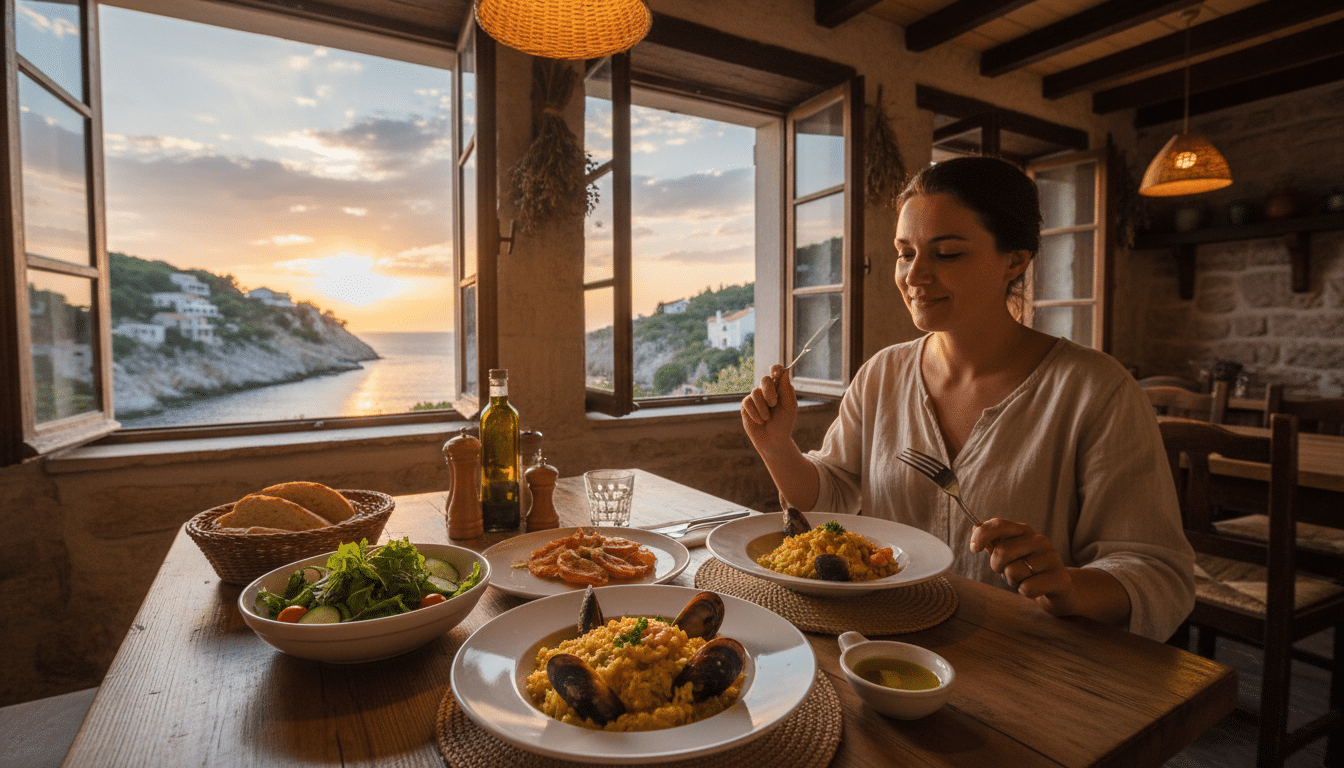
Practical Scheduling Advice
Plan your main meal for lunch time when food is freshest and prices are often lower. Arrive before 1 PM for the best selection.
For your evening dinner, aim to arrive before 8 PM. Many kitchens close around 4 PM and reopen later, so timing matters.
Sharing plates is a great option to sample multiple dishes. Book popular restaurants several days ahead during summer months.
Allow extra time for meals since service is deliberately slower. A typical dinner can easily last two hours without rushing.
Conclusion
Your culinary journey through this Mediterranean country reveals a world where food serves as the heartbeat of daily life. Every meal becomes an opportunity to connect with centuries of tradition and warm hospitality.
From mountain villages to seaside towns, the approach to dining here transforms simple meals into memorable experiences. The main meal of the day brings people together around the table for hours of conversation and connection.
Whether you’re enjoying grilled fish by the coast or hearty stews in the mountains, each course tells a story. Local markets offer fresh fruit and cheese, while evening dinners feature excellent wine and simple side dishes.
By embracing these patterns, you’ll discover the true rhythm of this beautiful place. Your adventure awaits at every table, where delicious food celebrates life itself. Dobar tek!