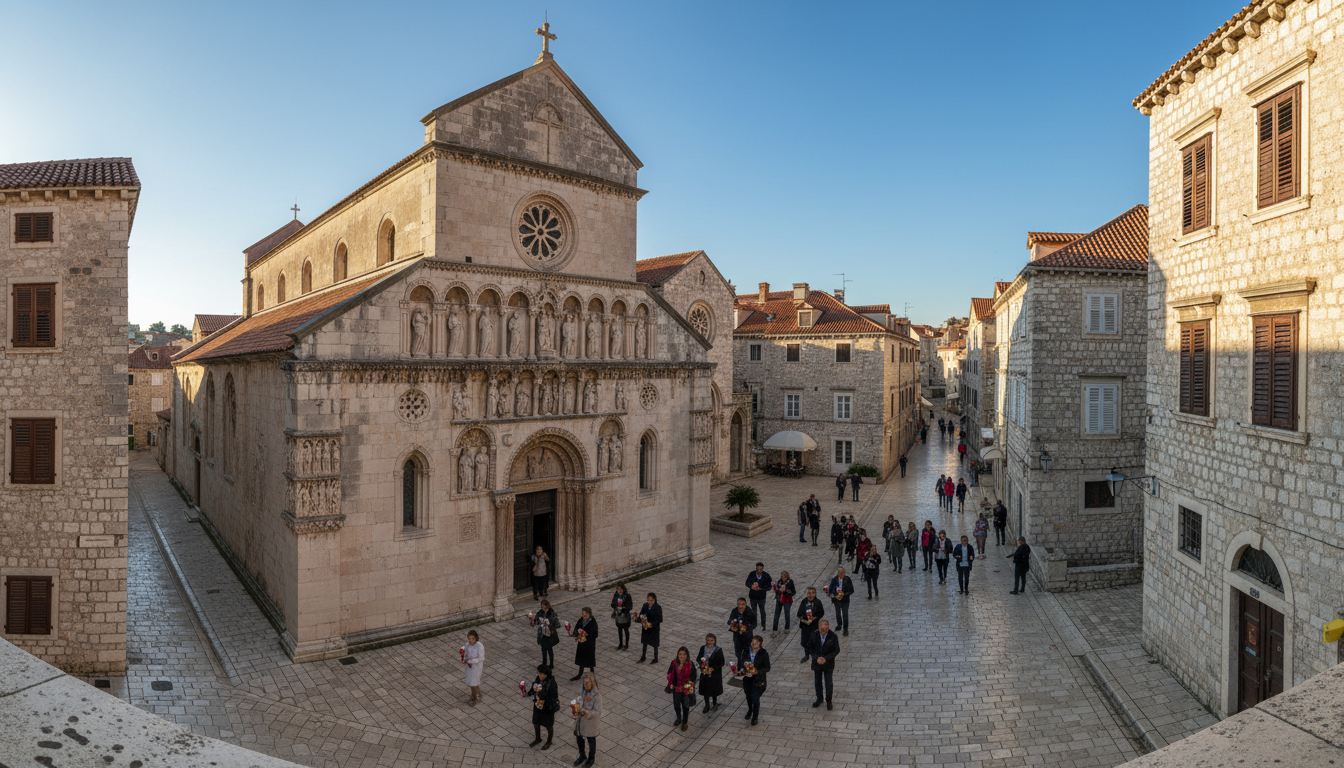
Imagine the scent of incense mingling with sea air, ancient stone streets echoing with song, and a community gathered in centuries-old tradition. This is the magic you can find in a stunning coastal city on Croatia’s Adriatic coast.
Founded over 950 years ago, this unique town boasts impressive architecture built from stone. Its crown jewel is the Cathedral of St. James, a UNESCO World Heritage site constructed without mortar or wood.
Faith-based celebrations are deeply woven into the fabric of life here. They shape the annual rhythm and offer a powerful connection to authentic local culture.
This guide unlocks that world for you. It helps you plan your trip around these significant events, giving you insider knowledge for a more meaningful visit.
Key Takeaways
- Discover how centuries-old traditions continue to bring communities together in this historic coastal destination.
- Plan your visit around major celebrations to gain unique cultural insights often missed by tourists.
- Explore sacred sites, from the famous UNESCO cathedral to smaller neighborhood churches.
- Witness authentic processions, ceremonies, and community events that bring the location to life.
- Understand the local calendar to appreciate the deeper cultural fabric of the city and its people.
- This comprehensive guide covers major feast days and local patron saint observances.
Religious Holidays Sibenik: Celebrations and Traditions
You can feel the pulse of the community most strongly during its major feast days. Centuries of influence from Venice, Bosnia, Hungary, and Byzantium created a rich cultural tapestry. This history shines through in the annual schedule of observances.
Key Festivals to Experience
Easter stands as the most significant time. Holy Week processions wind through narrow, ancient streets. Families then gather for traditional meals, marking renewal.
The Feast of St. James on July 25th honors the cathedral’s patron. The entire city comes together for special masses and concerts. Community events fill the entire day with joy.
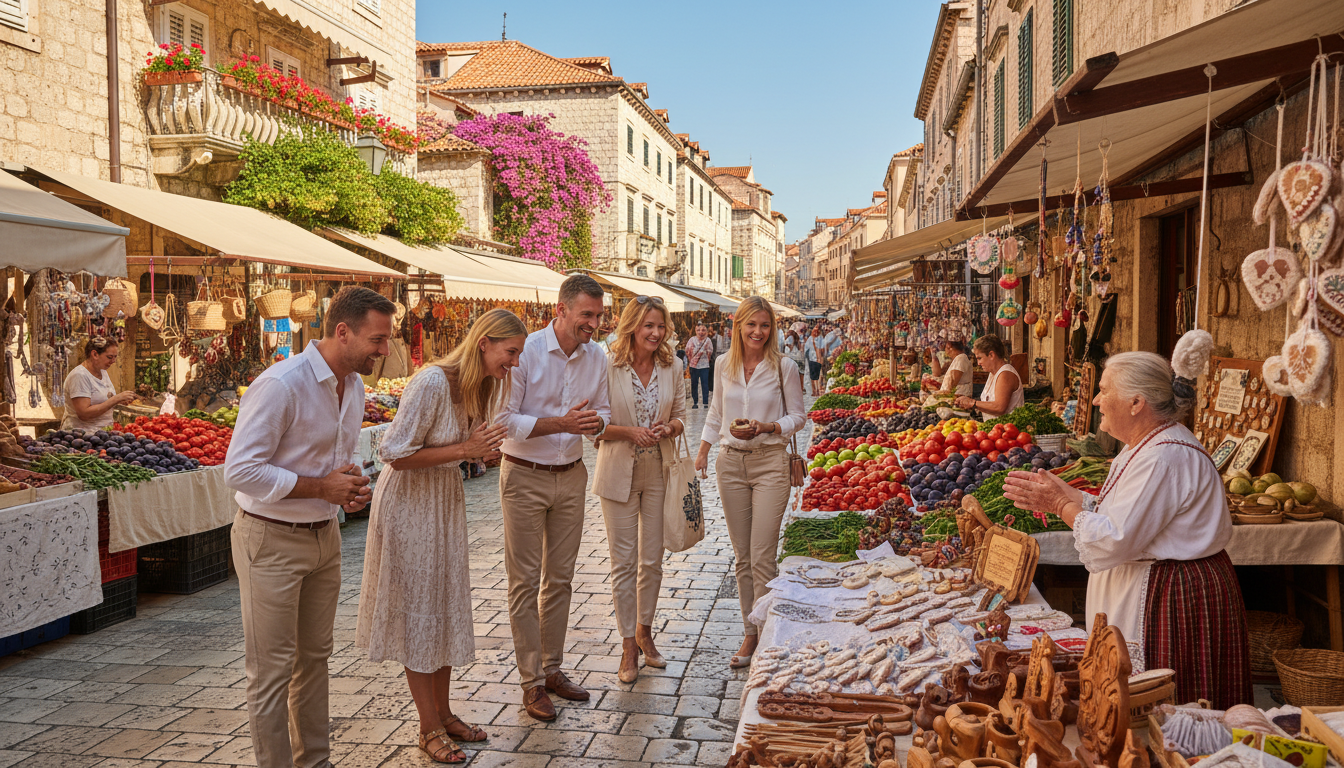
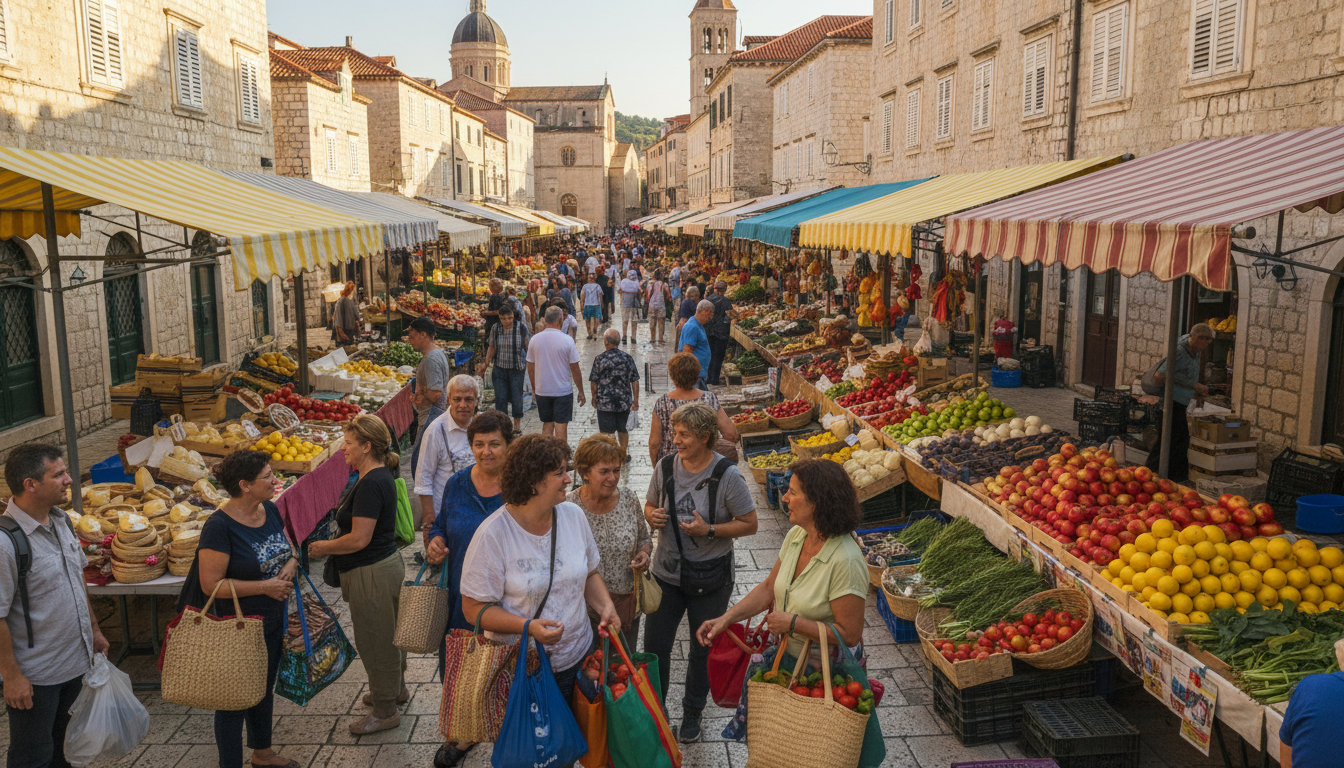
Christmas blends Catholic rites with local Croatian customs. You can attend midnight mass at the cathedral. Festive markets also light up the old city center.
Local Religious Observances
The Assumption of Mary on August 15th draws crowds to various churches. Special services reflect devotion spanning centuries.
Another key event celebrates St. Nicholas Tavelić. He was Croatia’s first saint. His tomb in St. Francis Church is an important pilgrimage site.
All Saints’ Day sees families visit cemeteries to honor loved ones. They light candles and place flowers. It’s a moving display of community life and remembrance.
These traditions offer you an authentic window into local culture. They connect past heritage with present-day celebrations beautifully.
Historic Churches and Monasteries in Šibenik
Beyond the main squares, a network of sacred stone buildings tells the story of the city’s deep spiritual history. These structures are architectural treasures and active centers of faith.
St. James Cathedral – A UNESCO Landmark
The Cathedral of St. James is the city’s crown jewel. It holds the prestigious title of a UNESCO World Heritage site.
You will be amazed by its construction. Master builders created this entire structure from interlocking stone blocks. They used no mortar or wood.
Look for the famous frieze of 71 sculpted heads on the exterior. Each one represents a real 15th-century citizen. Inside the baptistry, intricate carvings showcase extraordinary skill.
The St. James Cathedral dome was damaged during conflict in 1991. Careful restoration continues to preserve this masterpiece for future generations.
St. Francis and St. Barbara’s Spiritual Heritage
The Church and Monastery of St. Francis offers a peaceful retreat. This 14th-century complex houses the tomb of St. Nicholas Tavelić, Croatia’s first saint.
Its library holds ancient manuscripts and rare books. They document centuries of local devotional life.
Nearby, the Church of St. Barbara now serves as a museum of ecclesiastical art. Its bell tower features a rare 24-hour clock with old Roman numerals.
To discover more sacred sites, explore this guide to other religious sites worth visiting in the area.
Cultural Events during Festive Seasons
The real magic happens when solemn observance spills out from the churches and into the public squares. The city’s calendar is filled with these vibrant shared experiences. They turn historic spaces into lively stages for community connection.
Community Gatherings and Processions
You’ll find yourself part of a moving tapestry during a procession. These events wind through the narrow, pedestrian-only streets of the old town.
Entire neighborhoods participate. Locals decorate their windows with flowers and candles. You get a powerful view of tradition in action.
Art and Music in Religious Celebrations
Sacred music fills the historic stone buildings. Church choirs perform centuries-old hymns during major feast days.
The Cathedral hosts special concerts on these holidays. Its exceptional acoustics showcase classical and liturgical works. Local folk ensembles also add a distinctly Croatian character to the celebrations.
These cultural events welcome visitors. They offer a unique view into how faith and community life are beautifully intertwined here.
Traditional Cuisine and Local Rituals
The rhythm of the year here is marked not just by dates on a calendar, but by the aromas from family kitchens and shared tables. Food is an integral part of every major observance. These meals connect spiritual observance with the rhythm of daily life.
Festival Foods and Shared Meals
Easter tables feature roast lamb, sweet pinca bread, and colored eggs. Families gather for this feast after morning services.
Christmas Eve follows a traditional fast. The meal after midnight mass highlights bakalar, salt cod prepared the Dalmatian way.
St. James’ day brings communities together. You’ll find grilled fish, octopus salad, and local wines served in church courtyards.
These dishes reflect the coastal bounty and agricultural calendar. You can taste this history in local restaurants.
- Roast Lamb: Slow-cooked with potatoes and spring onions.
- Bakalar: A savory salt cod stew for Christmas.
- Octopus Salad: A fresh, light salad for summer feasts.
- Pinca: A sweet, braided Easter bread.
Traditional Dalmatian restaurants near sacred sites serve these authentic foods. Sharing a meal is a genuine way to experience local hospitality. These gatherings in homes and public places offer a true taste of community.
Architectural Gems with Sacred Stories
Local limestone, honey-toned by centuries of sun, forms the soul of the city’s most enduring landmarks. These structures are community anchors, artistic triumphs, and history books written in stone.
Stone Structures and Their Historical Significance
The Cathedral of St. James represents the pinnacle of this craft. Its interlocking stone blocks and self-supporting dome showcase brilliant 15th-century engineering.
You’ll find a mix of styles across different sacred sites. Gothic arches, Renaissance proportions, and Baroque decorations show how architectural tastes evolved.
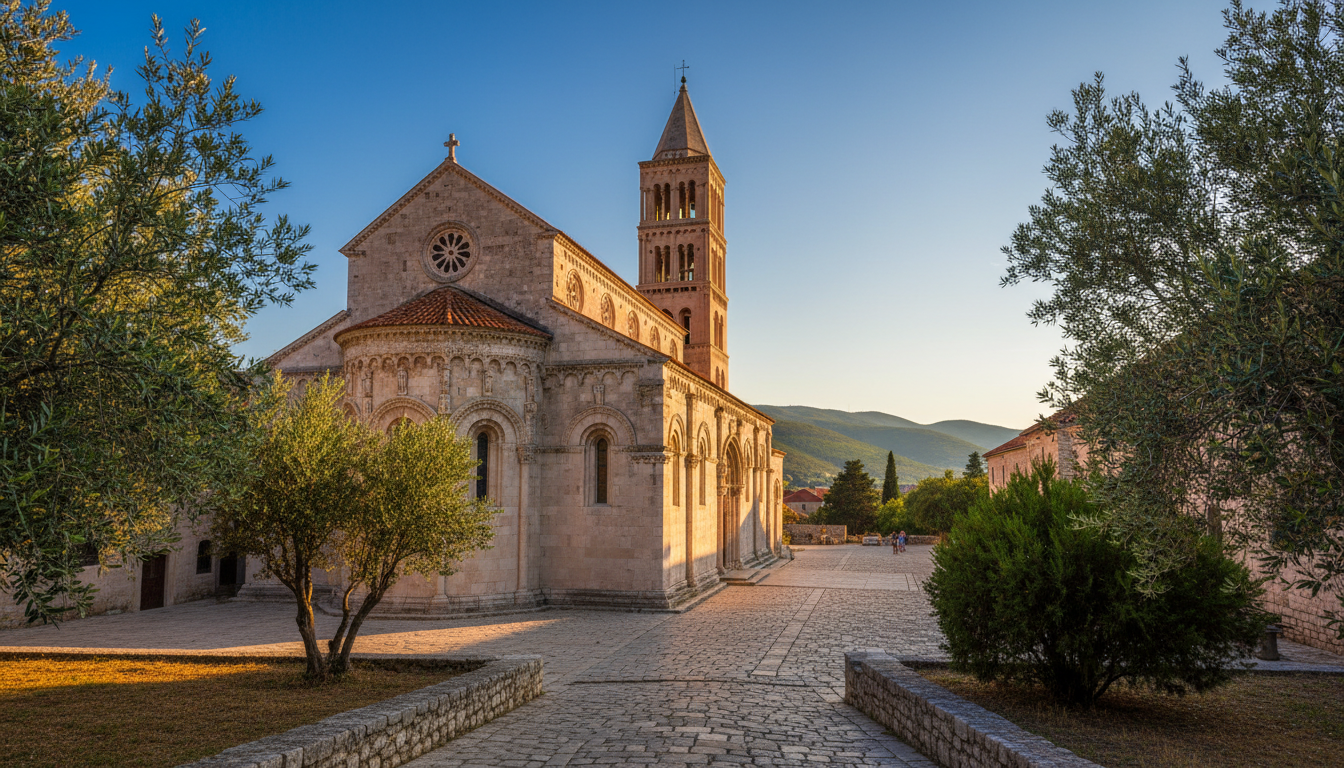
Look for the Church of the Holy Spirit. This building dates back about 400 years. Its striking baroque rosette features a dove symbol, a clear medieval symbol.
The strategic location of these buildings on hilltops wasn’t accidental. It provided commanding views and refuge during past conflicts.
Exploring these gems helps you see their multiple roles. They served as spiritual centers, community spaces, and symbols of civic pride.
Walking Tours of Šibenik’s Sacred Sites
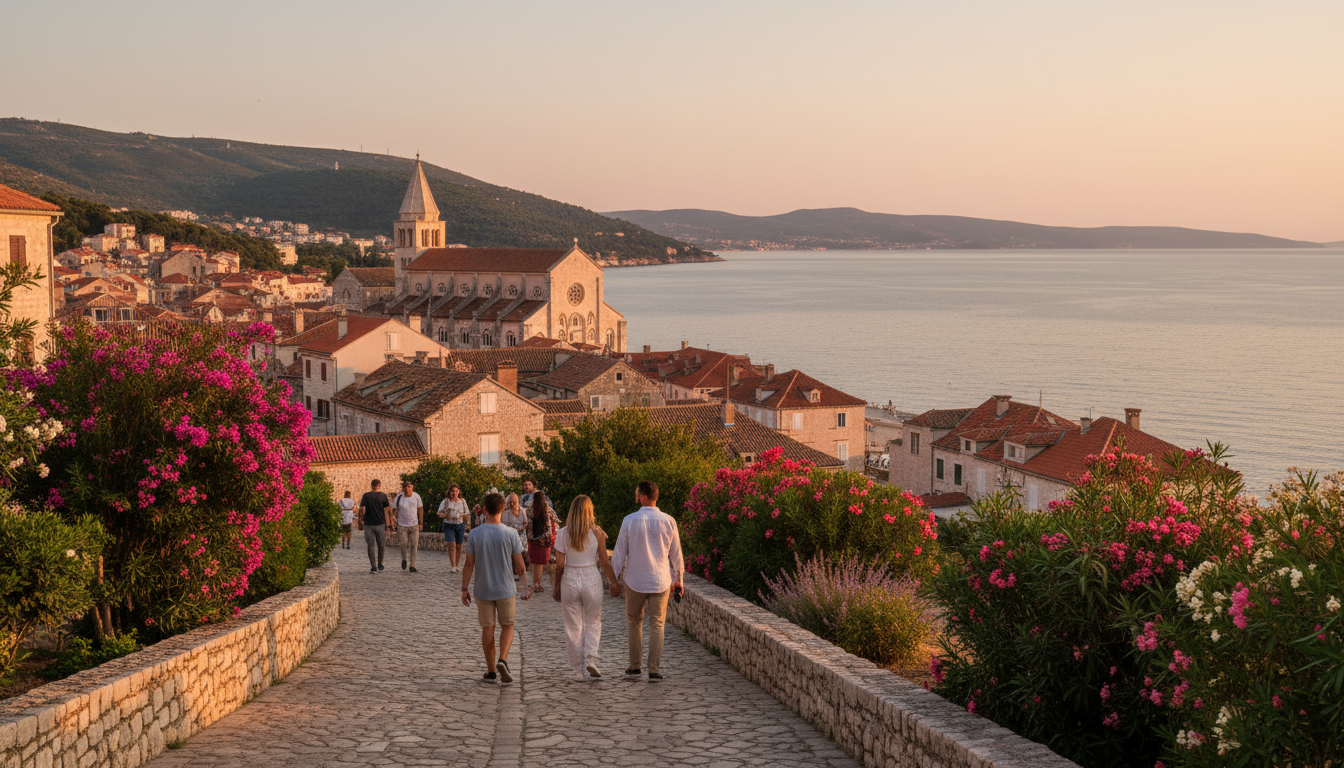
The best way to discover the city’s spiritual heritage is on foot. You can weave through its compact historic center. Most sacred buildings cluster within this pedestrian-friendly zone.
Mapping the Old Town’s Religious Landmarks
Your tour through the old town naturally connects key landmarks. Start at the Cathedral as your central point. From there, narrow streets lead you to smaller chapels and hidden niches.
These streets are steep and cobblestoned. They create an intimate atmosphere for exploration. You’ll find carved crosses and statues in building walls.
Notable Fortresses and Entrance Points
St. Michael’s Fortress towers above the old city. It offers spectacular views of church bell towers and the sea. The climb rewards you with perfect photo opportunities.
The fortress itself has a small chapel inside. It played a key role in protecting the community. Your tour might include dramatic hanging staircases to reach it.
The main entrance from the waterfront brings you right into history. City maps mark all major historical sites clearly. This makes self-guided exploration simple and rewarding.
Practical Tips for Visiting during Holiday Seasons
Knowing a few key tips will help you navigate the festive seasons smoothly. Your experience will be more enjoyable and respectful.
Planning Your Visit and Checking Schedules
Plan your visit around major celebrations for a unique experience. Book accommodations early. The city fills with pilgrims and visitors during these days.
Check church hours before your trip. Schedules change for special events. Buildings may close to tourists during services.
Most sites in town offer free entrance. The Cathedral charges a small fee for certain areas. Proceeds support restoration work.
What to Wear and How to Respect Traditions
Wear comfortable walking shoes. Cobblestone streets and steep stairways require good traction. This is key if you plan to see multiple sites in one day.
Dress modestly when entering sacred buildings. Cover shoulders and knees. Remove hats as a sign of respect.
Attending a mass service is one of the most authentic things you can do. It offers real insight into living traditions.
Photography is usually allowed. Turn off your flash. Avoid pictures during services.
The best way to show respect is to observe quietly. Follow the lead of local participants. Ask permission before photographing ceremonies.
Visit sites early in the day during summer. This helps you avoid crowds and heat. Stone streets get warm by midday.
These simple things make your visit to the historic city more meaningful and smooth.
Preserving Heritage and Local Community Efforts
Preservation is a living tradition here. Every repaired stone and restored manuscript connects the past to the present.
Maintenance of Religious and Historical Sites
The Cathedral of St. James holds UNESCO World Heritage site status. This brings global attention and resources. Restoration work on its dome continues decades after war damage.
Local communities work tirelessly to maintain these buildings. They organize fundraisers and volunteer days. Your entrance fees directly support stone restoration and roof repairs.
St. Barbara’s church now functions as a museum. This creative solution protects precious artifacts. At St. Francis monastery, experts conserve ancient manuscripts in climate-controlled storage.
The city’s compact historic centre helps coordinate these efforts. This location makes protecting all historic sites more manageable. Your visit supports this vital work for future generations.
Integrating Religious Experiences into Your Trip
A well-planned itinerary here seamlessly connects ancient sacred sites with the region’s famous natural wonders. Your visit becomes richer when you balance time in historic churches with adventures outdoors and on the water.
Combining Tours with Cultural Exploration
Pair a morning at Krka National Park with an afternoon exploring the old town. The famous Krka waterfalls are just a short drive away. This creates a perfect day with both natural beauty and cultural depth.
A boat tour offers a unique perspective. You approach the city from the sea, just as travelers did for centuries. Then, step ashore to visit the cathedral and other spiritual places on foot.
For the best experience, consider these tips:
- Stay at least two days. This lets you experience evening services after the day-trippers leave.
- Use local tour operators. Many offer packages combining Krka National Park with guided church visits.
- Make the national park one part of your trip. Use the other part for quiet reflection in the historic center.
- Enjoy the evening view from the waterfront. See the church spires lit up against the night sky.
This balanced approach lets you enjoy the area’s full character. You get powerful spiritual moments and stunning coastal scenery in one memorable trip.
Conclusion
Exploring this Adriatic gem offers more than stunning sea views. It provides a direct connection to centuries of living tradition. This historic city is a treasure trove of culture, with a more intimate feel than larger coastal places.
The combination is powerful. You find a UNESCO World Heritage site at its heart. You also discover accessible community observances and a warmly welcoming town. This creates an authentic way to understand local life.
Plan your trip thoughtfully. Spend a few days in the historic centre. Approach with respect and curiosity. This city rewards visitors with profound and memorable experiences.