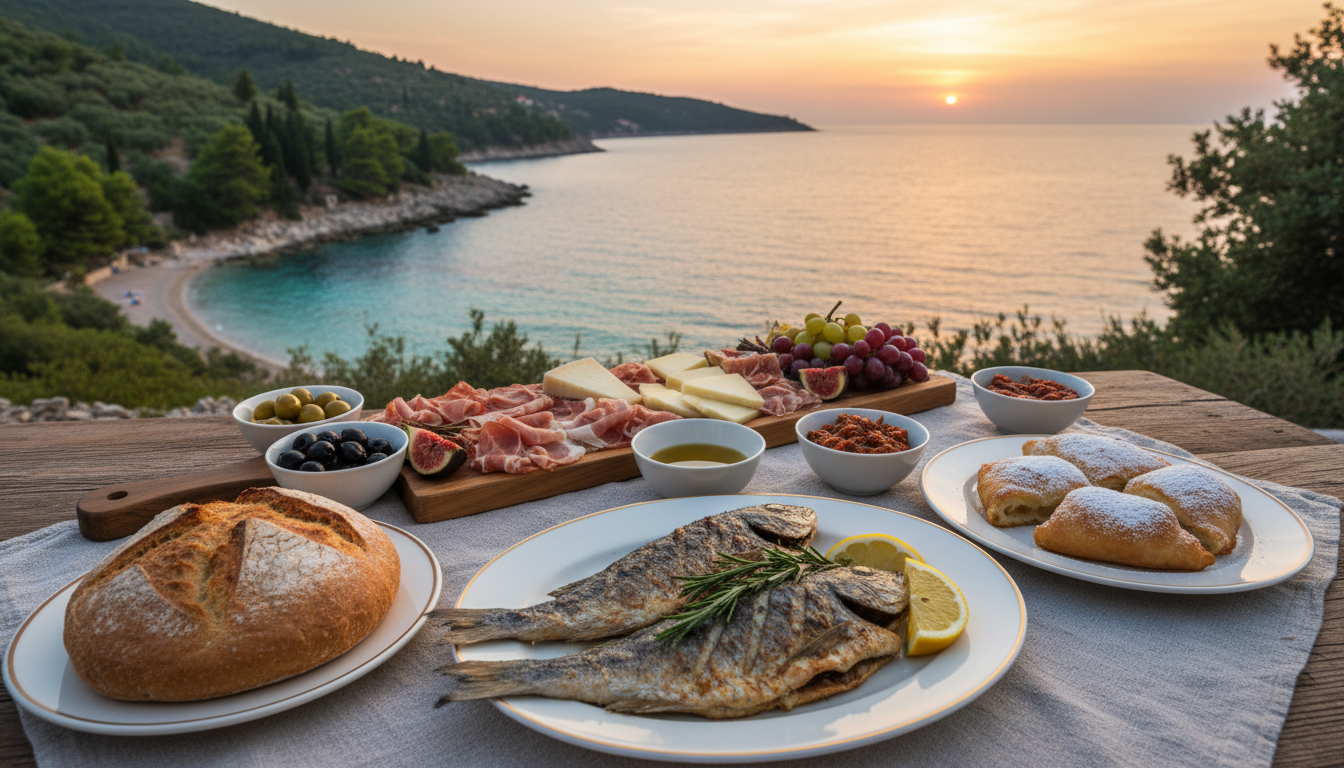
Residents along Croatia’s stunning coast enjoy some of the highest life expectancy rates in Europe. Many credit their traditional way of eating—a secret we’re excited to share with you.
This regional cooking is defined by its beautiful simplicity. Chefs and home cooks rely on the sun-ripened bounty from the sea and the land. Recipes are treasures, passed lovingly between families for centuries.
More than just delicious, this way of life promotes remarkable vitality and energy. It’s about savoring what’s fresh, local, and prepared with heart. Your journey into these authentic flavors starts right here.
We’ll help you move beyond the typical tourist menu. You’ll learn to spot the best market ingredients and understand time-honored preparation methods. Get ready to connect with the true soul of the Mediterranean table.
Key Takeaways
- Discover the authentic flavors that define the classic Mediterranean lifestyle.
- Learn how simple, fresh food choices contribute to health and vitality.
- Gain the expertise to identify the best local ingredients and traditional cooking methods.
- Focus on culinary heritage for a genuine experience beyond typical tourist spots.
- Navigate local menus with confidence to select dishes representing the heart of the culture.
- Connect with a rich culinary history passed down through generations.
- Embrace a dietary tradition celebrated for promoting longevity and energy.
Discover the Rich Heritage of Dalmatian Food
In this region, a meal is far more than food—it’s a living heirloom, guarded and shared with immense pride. This culinary heritage is a vibrant thread connecting you directly to the past.
Generations of Local Recipes
Family recipes here are defended treasures. They are not written in books but carried in memory and heart. This oral tradition ensures that love truly goes through the stomach.
These cherished formulas preserve several key elements:
- Community Pride: Each dish represents a family’s legacy and skill.
- Time-Tested Techniques: Methods perfected over centuries for optimal flavor.
- Local Identity: The cuisine acts as a vital part of who the people are.
Cultural Significance of Traditional Dishes
Every traditional plate serves as a cultural artifact. It connects you to historical practices and a philosophy of care. This approach to eating is a celebrated example of nurturing longevity.
Understanding this significance lets you appreciate the dedication behind each meal. You’re not just eating—you’re experiencing a rich heritage. It’s about savoring dishes designed for energy and connection.
The Heart of Dalmatian Culinary Tradition
At its very core, this way of eating celebrates a profound truth: the best flavors come from the fewest, finest components. The tradition isn’t about complicated recipes. It’s about honoring what the land and sea provide each day.
This philosophy creates meals that are both incredibly satisfying and wonderfully simple. You taste the sunshine in every bite.
Simple Ingredients That Shine
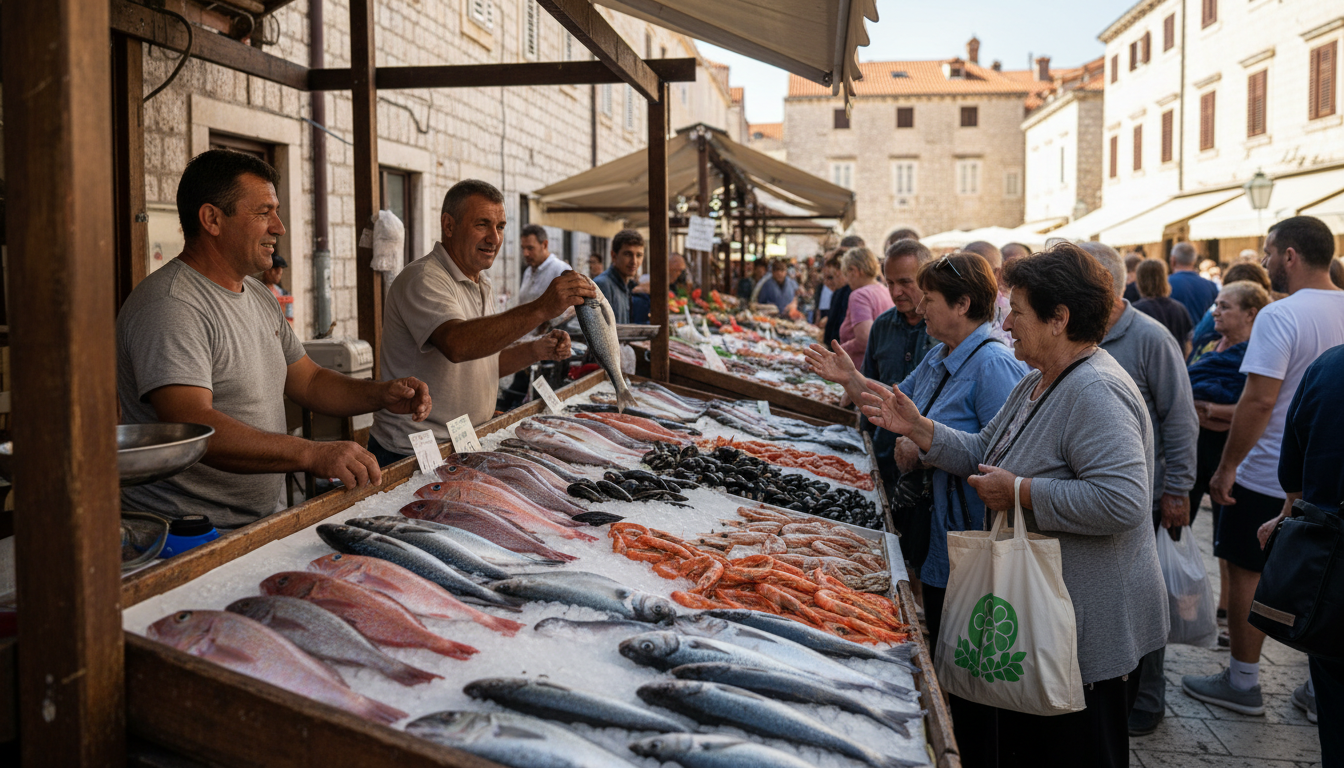
Walk through a local market, and you’ll see the stars of the show. Bunches of fragrant rosemary, sage, and laurel fill the air. Fresh basil, parsley, and garlic are kitchen essentials.
These herbs aren’t just garnishes. They are the soul of the food, infusing dishes with aromatic depth. The other non-negotiable is golden, high-quality olive oil.
It dresses crisp salads and perfectly enhances grilled fish. The quality of these core ingredients is never compromised.
Local Cooking Techniques Passed Down
Families here have perfected methods that let those pristine ingredients speak for themselves. The goal is always to highlight natural taste, not mask it.
This cooking approach is straightforward and intentional. It ensures every dish remains healthy and packed with genuine flavor. These time-honored practices reflect a lifestyle of balance and enjoyment.
You experience the true temperament of the coast through its food. It’s a delicious lesson in simplicity passed directly from one generation to the next.
Fresh Seafood Delights on the Dalmatian Table
Imagine a table where the day’s fresh catch is the undisputed star, a vibrant celebration of the Adriatic Sea. This is the heart of a meal here. You’ll find a spectacular array of ocean treasures, each prepared to highlight its natural, briny sweetness.
Variety of Fish and Shellfish
The variety is truly astounding. Beyond classic fish like bream and sea bass, your table might feature tender squid, octopus, or sweet shrimp.
Local fishermen also bring in clams, cuttlefish, and even lobster. Every seafood option promises a unique taste of the coast. This incredible selection ensures there’s a perfect dish for every palate.
Traditional Preparation Methods
The cooking philosophy is beautifully straightforward. Grilling over open flames is a favorite, giving fish a perfectly charred skin. Baking or boiling are also common, preserving the delicate protein and flavor.
For a creative twist, seek out Vis Pogaca. This is a focaccia filled with salted sardines. It’s a delicious example of the region’s inventive approach to seafood.
Whether it’s a dense stew or a simple fillet, each dish is prepared with care. Garlic and fresh parsley often complement the catch. This cooking celebrates the variety of the sea in every memorable bite.
Savor Authentic Meat Dishes and Prosciutto
While seafood reigns supreme, the land offers its own treasures—slow-cooked, flavorful meat that tells a story of tradition. Your exploration isn’t complete without these hearty, unforgettable dishes.
Dalmatinski Prsut and Its Distinct Flavor
You must try Dalmatinski Prsut. This famous air-dried ham gains its unique, savory taste from the cold, dry Bura wind. The natural curing process creates a meat that is rich, complex, and utterly delicious.
It’s often served thinly sliced as a perfect appetizer. The quality is always exceptional.
Unique Meat Preparations and Peka Cooking
For a truly memorable meal, seek out dishes cooked “ispod peke”. This method involves placing lamb or octopus under a metal dome covered with hot embers.
The slow, even heat creates a tender, fall-off-the-bone result. Another classic is Pasticada.
This marinated beef is stuffed with carrots and bacon, then simmered for hours. These cooking techniques showcase the expertise of local chefs.
They balance simple ingredients with patience for maximum taste. Whether it’s prosciutto or a slow roast, the meat here is a celebration of skill.
Vegetables and Olive Oil: A Perfect Match
The secret to many memorable meals here lies in the harmonious union of just-picked produce and exceptional olive oil. This combination isn’t an afterthought—it’s the foundation of flavor and vitality.
Seasonal Produce in Dalmatian Cooking
Your plate will showcase a rainbow of garden vegetables. Think vibrant spinach, hearty potatoes, and robust Swiss chard. Sun-ripened tomatoes, tender artichokes, and crisp cabbage also make regular appearances.
These fresh vegetables accompany almost every fish or meat dish. Local farmers ensure year-round availability at peak ripeness. The quality is never compromised.
The use of pure olive oil is absolutely non-negotiable. This golden oil provides the essential fat and rich flavor that defines the local diet. You’ll find it drizzled over everything from salads to grilled fish.
High-quality olive oil transforms simple vegetables into something extraordinary. The region’s prized olive yields this liquid gold. For a classic side, try Swiss chard served with potatoes.
By combining that premium oil with garden vegetables, the local cooking achieves a perfect balance. Every meal celebrates this perfect match.
A Trusted dalmatian cuisine guide for the Curious Palate
Your journey toward genuine flavor is about more than just what’s on the plate—it’s about where you find it and how it’s crafted. This resource acts as your personal companion, steering you toward unforgettable meals that most visitors never see.
We focus on the spots where tradition is a way of life, not a marketing slogan.
Hidden Spots and Local Gems
The best meals often happen in quiet, family-run places tucked away from the main tourist paths. Our recommendations lead you to these authentic kitchens. You’ll enjoy dishes made with pride and time-honored skill, far from the crowded promenades.
Balanced Flavors with Olive Oil and Herbs
Mastering the local taste is about harmony. Chefs rely on rich, golden olive oil and fragrant herbs like laurel and sage. This oil isn’t just a cooking fat—it’s the essential ingredient that binds and elevates every dish.
You can bring this balance to your own kitchen by embracing this simple philosophy.
Attention to detail is everything. A proper table always features small bowls of classic condiments. These are the authentic finishing touches:
- Green and black olives
- Tangy pickled onions
- Salty capers
By following our insights, you’ll easily find restaurants that prioritize traditional methods. Your curious palate will be rewarded with truly genuine culinary discoveries at every turn.
Regional Flavors from Dalmatian Islands
Hop between the sun-drenched islands of the Adriatic, and you’ll discover a culinary map as diverse as the landscapes themselves. Each stop has its own story to tell through food.
Island-Specific Specialties like Hvar and Brac
Your journey across these waters reveals a stunning variety of local dishes. The island of Brac is famous for Vitalac. This traditional dish features grilled lamb innards, offering a robust and savory taste.
Over on Hvar, you must try Gregada. It’s a classic fish stew boiled with potatoes and rich olive oil. This hearty meal showcases the simplicity of coastal cooking.
Then there’s Vis, known for its own unique specialty. The local focaccia is topped with salted sardines. It’s a delicious example of creative island fare.
Exploring these varieties lets you see how geography shapes food. Each community has a distinct culinary identity. You’ll find different dishes and cooking styles from one port to the next.
Key highlights from your island-hopping feast include:
- Brac Vitalac: A bold dish of grilled lamb innards.
- Hvar Gregada: A comforting stew of mixed fish and potatoes.
- Vis Focaccia: A savory bread topped with salted sardines.
Whether you visit Hvar or Brac, each stop offers a unique variety of flavors. This delicious diversity makes every meal an adventure.
Traditional Methods: From Peka to Buzara
For generations, families have relied on two iconic techniques to capture the soul of the sea and the land: the steamy peka and the aromatic buzara. These are the pillars of the region’s culinary tradition, where method is just as important as the ingredients.
Time-Honored Cooking Techniques
Let’s start with buzara. This beloved cooking method creates a magnificent, simple meal. It combines fresh seafood with garlic, white wine, and a generous pour of olive oil.
The sauce simmers gently, allowing the flavors to marry perfectly. You get a dish that is both light and deeply satisfying.
Then there’s peka. This remains the most iconic cooking technique. A metal dome is placed over lamb or octopus, then covered with hot embers.
The dome traps heat and moisture, resulting in incredibly tender, fall-off-the-bone meat. It’s a slow, patient process that showcases true skill.
Both methods rely on the consistent use of high-quality olive oil. This golden oil ensures every dish maintains its fullness of taste. It’s the essential fat that binds the flavors together.
By mastering these traditional cooking processes, local chefs preserve the integrity of their ingredients. They create healthy, delicious meals that tell a story.
Understanding this effort gives you a deeper appreciation for the authentic flavors on your plate. It’s cooking as a form of respect.
Sweet Treats and Local Desserts
No meal along the Adriatic coast is truly complete without a sweet, memorable finish. The local dessert tradition is all about homemade creations using the freshest ingredients. These treats offer a delightful glimpse into the region’s culinary heart.
Homemade Cakes and Pastries with Fresh Ingredients
Your sweet journey begins with cakes baked in family kitchens. They are often enriched with crunchy almonds and walnuts. Natural honey sweetens them instead of sugar, while raisins and figs add chewy texture.
Don’t miss the famous Pag cheese. This gastronomical wonder is produced exclusively from goat milk on the island of Pag. Its unique, tangy flavor makes it a standout dessert cheese.
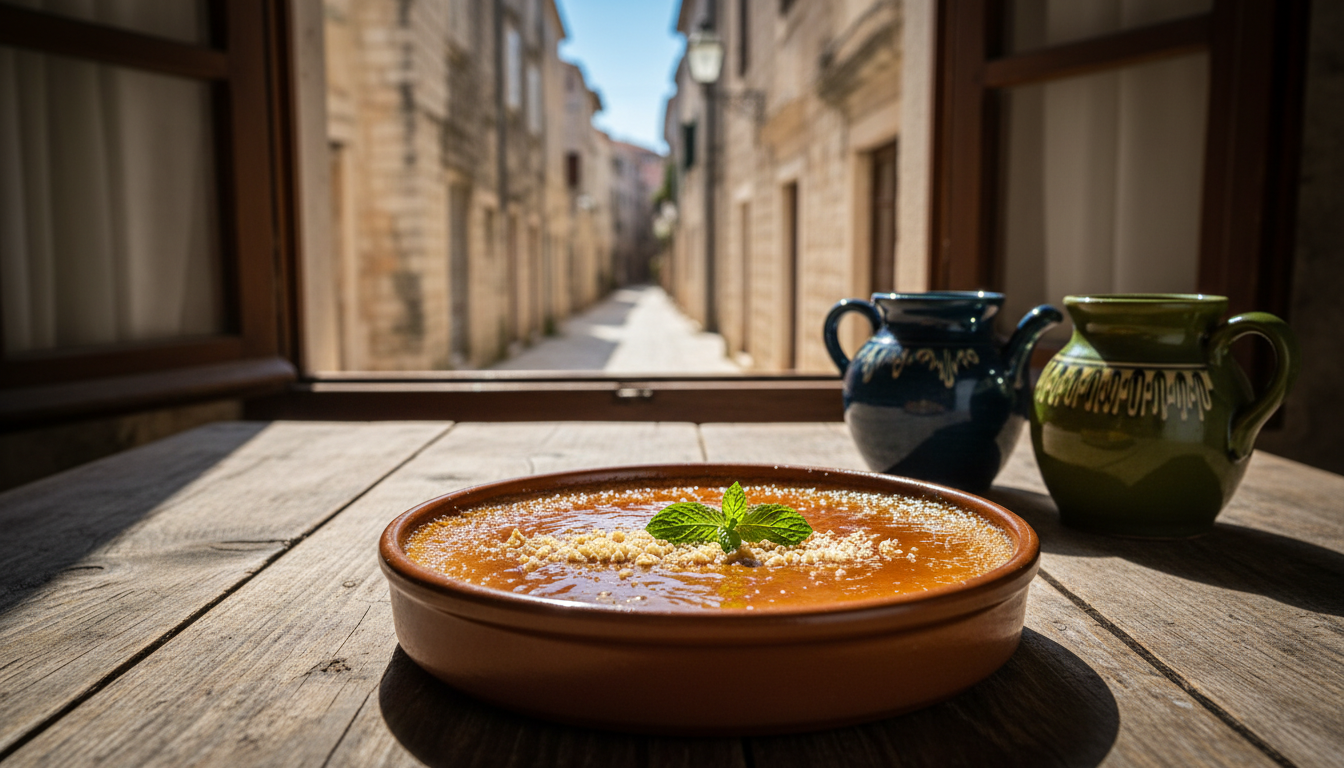
Traditional sweets like fritters, mandulat, and the flan known as rozata highlight the use of fresh ingredients. Rozata, in particular, is a creamy, caramel-topped delight that’s simply irresistible.
The smooth cream used in many pastries is perfectly balanced by the texture of dried fruits. This creates a delightful end to any meal.
Whether you enjoy these at home or in a restaurant, they provide a perfect conclusion to your flavor exploration.
Local Restaurants and Authentic Eating Experiences
Finding the most genuine flavors often means following the crowd—the local crowd, that is. The best restaurants are those buzzing with regulars who know where to find the true taste of the coast.
Dining Spots Recommended by Locals
We always suggest seeking out restaurants popular with residents. These spots serve traditional seaside food made with pride. Your meal here will be an authentic experience you won’t forget.
You can enjoy classic dishes like black risotto. This memorable dish gets its deep color from cuttlefish ink. It’s a perfect example of local creativity.
Many great dining spots sit near historic sites. You can visit Diocletian’s Cellars, open from 9 AM to 4 PM, then enjoy a meal nearby. It combines culture with delicious food.
The top restaurants focus on fresh, local ingredients. They provide a warm, welcoming atmosphere. It’s the perfect place to share stories and laughs with your family.
Choosing these recommended restaurants ensures a high-quality dining experience. You’ll taste the true lifestyle of the coast with every bite.
Experience Dalmatian Lifestyle Through Food Tours
Ready to step beyond the restaurant table and truly live the local way? A guided food tour is your perfect ticket.
Itinerary Highlights and Cultural Stops
This immersive experience runs from 2 PM to 6 PM. It begins at the vibrant Riva promenade.
You’ll visit three distinct restaurants. Your tour includes tasting twelve classic dishes.
A cultural stop at Diocletian’s Cellars adds depth. You absorb history between each flavorful course.
Group Dining and Shared Stories
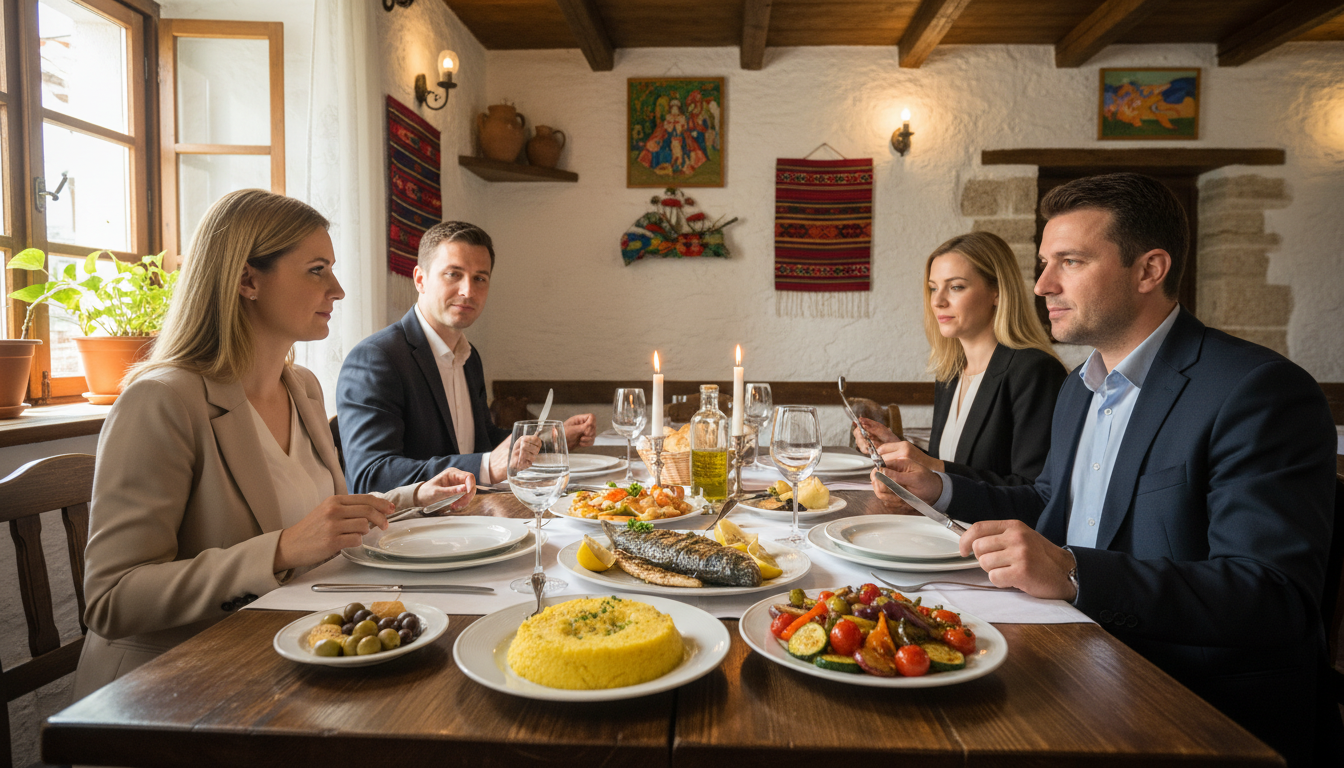
Seating is arranged at family-style tables. This fosters conversation and connection throughout the tour.
It’s designed to ease you into the evening. Savor local wine with your final, shared meal.
Every meal becomes a chance to bond. This relaxed, social setting lets you experience the true rhythm of coastal life.
Practical Tips for Enjoying Dalmatian Cuisine
To make your culinary adventure as delightful as the food itself, a little planning goes a long way. These simple tips will help your experience flow smoothly from start to finish.
Planning Your Meal and Tour Timing
Think about the clock. These immersive tours are a full 4 to 5 hours. That’s a wonderful chunk of your day dedicated to discovery.
For the best experience, secure your spot and select your menu options ahead of your trip. Starting in the afternoon is often ideal. You’ll avoid the midday rush and ease perfectly into evening.
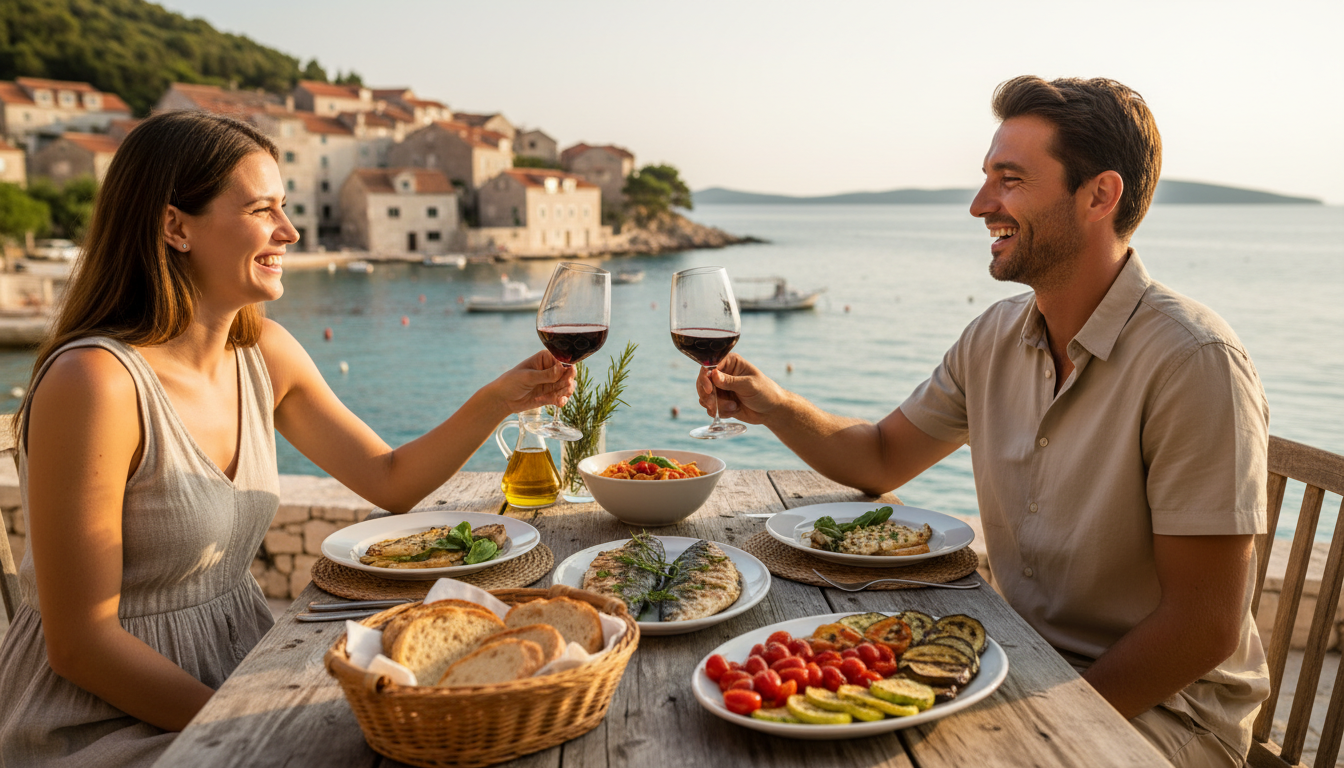
Adapting to Dietary Preferences and Allergies
Dietary needs are important. If you have allergies or specific preferences, just let your tour provider know at least 48 hours in advance. This gives them the time to thoughtfully adjust your menu.
Don’t worry about staying hydrated. Your tour includes two bottles of water per person.
With these details handled, you’re free to focus on what matters. Savor every delicious course of your meal and create lasting memories.
Conclusion
The true magic of this coastal food lies in its power to transport you. It creates memories that linger long after your trip ends.
Exploring these diverse flavors offers a unique experience. It connects you deeply with local heritage and family recipes. From fresh seafood and grilled meats to creamy desserts and aged cheese, every dish tells a vibrant story.
Remember to use fresh herbs, potatoes, and Swiss chard in your home cooking. This recreates the authentic taste of a coastal table.
The variety of culinary options will always leave you wanting more. We hope this guide helps you savor every appetizer, main course, and sweet cream treat.
Enjoy your unforgettable trip. Start thinking about your next culinary adventure and plan a visit to explore more island restaurants.