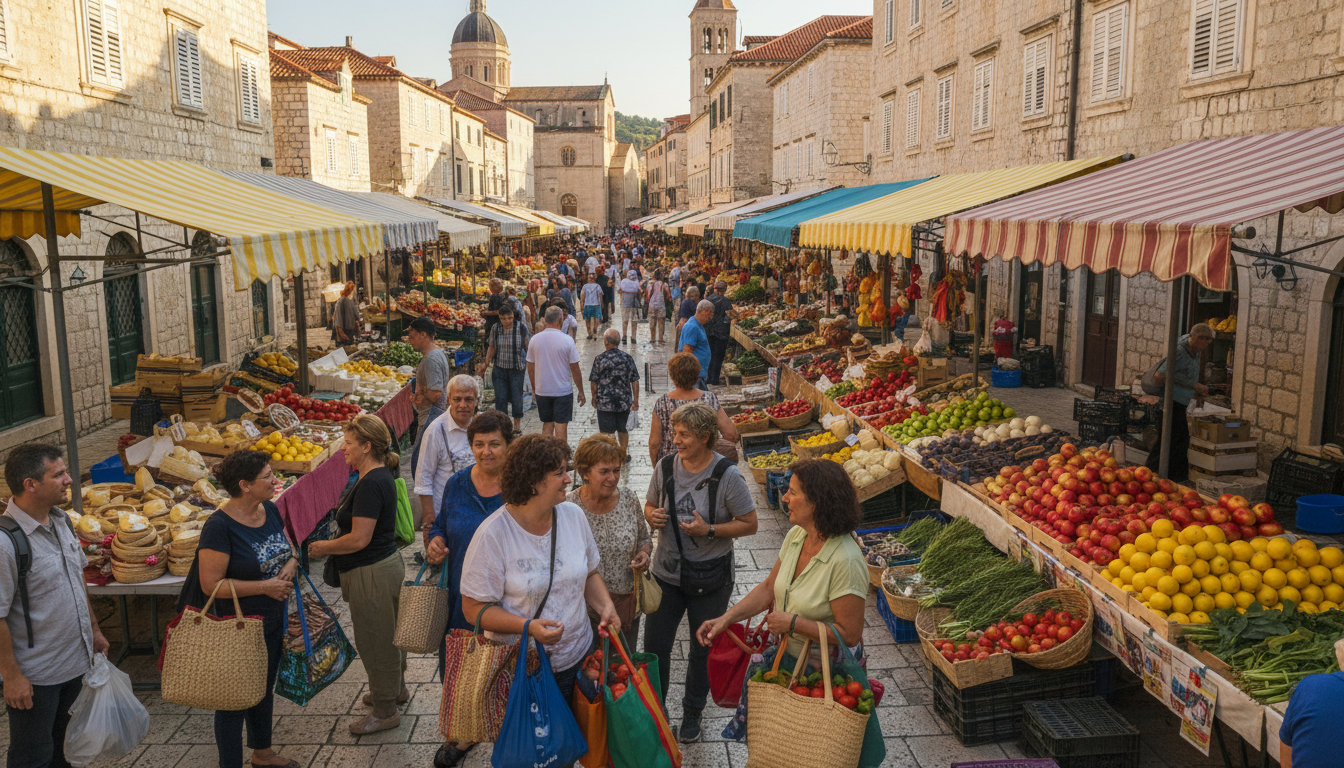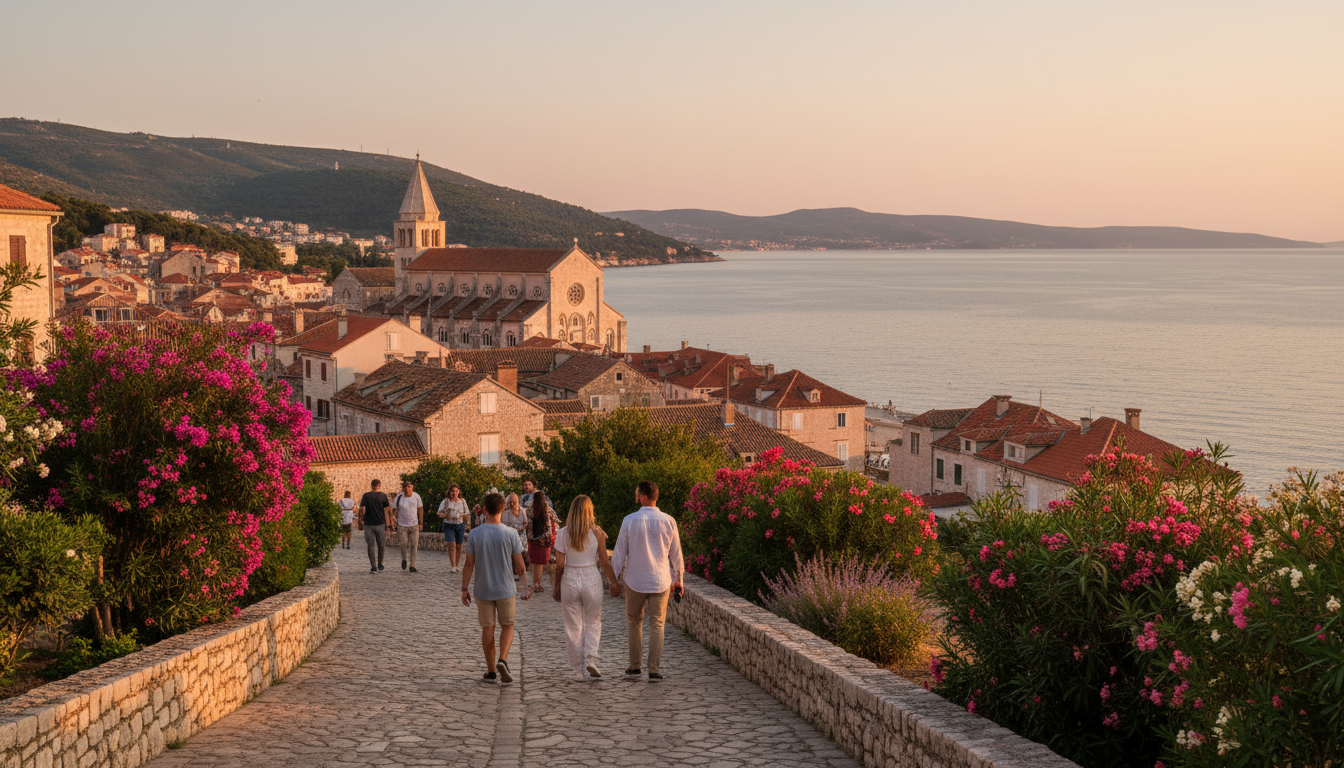
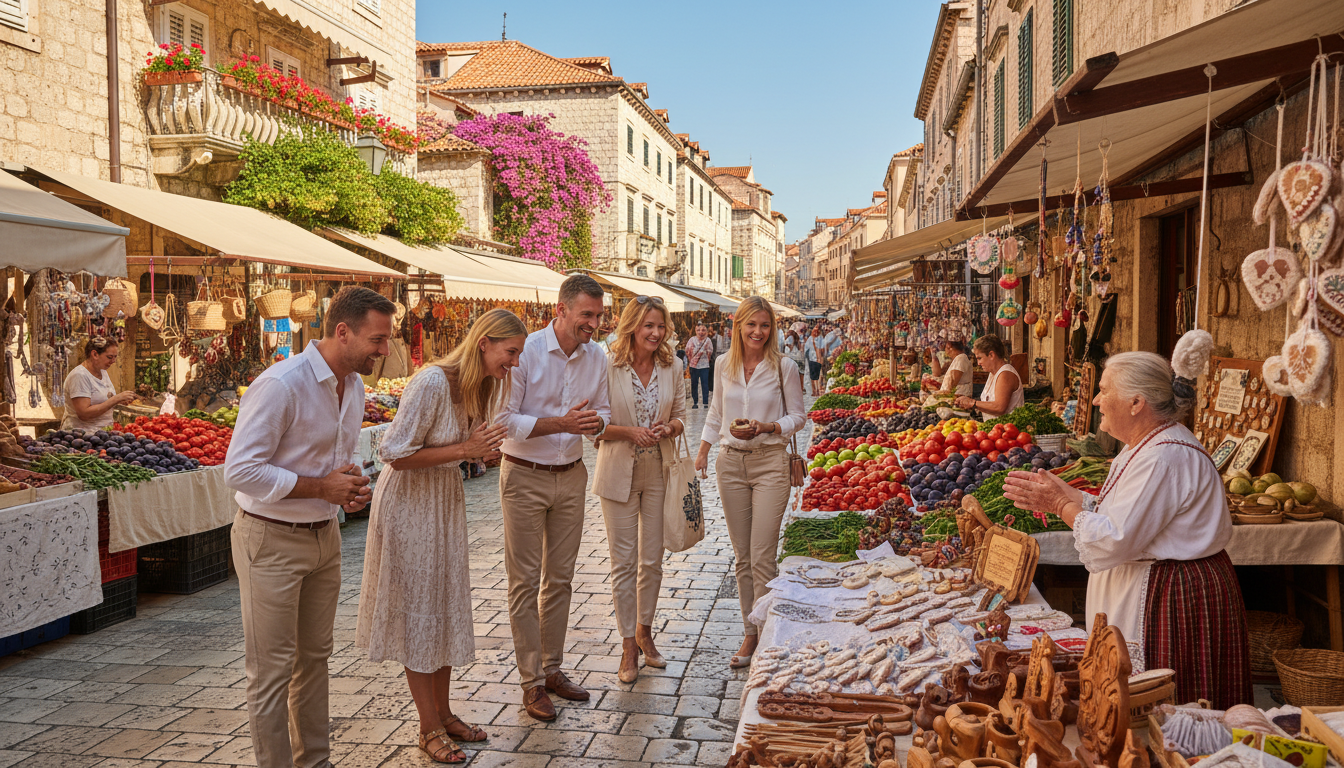
Picture yourself sharing a coffee with new friends in a sun-drenched Adriatic plaza. The secret to those genuine moments isn’t just in your phrasebook—it’s in understanding the local way of life. Getting a feel for the social norms shows respect and opens doors to a richer travel experience.
This nation’s story is deep, with roots stretching back over a thousand years. It was once part of the Austria-Hungarian Empire, shaping its traditions. Today, close family bonds and Catholic traditions form the heartbeat of daily life here.
Our guide gives you the practical information you need. You’ll learn about warm greetings, dining customs, and what to expect when visiting a local home. This knowledge helps you move from being a spectator to feeling like a welcomed guest.
It’s all about connecting with the people. From festive holidays where streets bloom with red, white, and blue flags to quiet family gatherings, you’ll see how these values play out. We want your visit to Croatia to be filled with confidence and memorable connections.
Key Takeaways
- Croatia has a long, rich history with strong influences from its past as part of the Austria-Hungarian Empire.
- Family life and Roman Catholic traditions are central to social values and daily customs.
- Understanding basic social norms helps you show respect and connect authentically with locals.
- This guide provides practical tips on greetings, dining, and visiting homes to enhance your trip.
- Knowing what to expect helps you avoid awkward moments and build genuine relationships.
- Major holidays reflect the country’s complex history and strong sense of national pride.
- Simple, respectful gestures go a long way in making your travel experience more rewarding.
Overview of Croatian Customs and Traditions
The social fabric here is woven from threads of history and deep-rooted community bonds. Getting a feel for these elements is key to respectful and meaningful travel.
Historic influences on modern etiquette
Centuries of different rulers and the Catholic Church shaped local traditions. You see this in a general respect for formal social protocols.
Politeness and proper greetings matter. This attention to form is a part of daily life throughout the country.
Emphasis on family and community values
Family is the absolute center of croatian culture. Multiple generations often share a home, making decisions together.
Weekends are for gatherings, meals, and celebrating together. Respect for elders is a fundamental part of this way of life.
This value is shown in language and how people interact. Close family ties create a warm, welcoming society.
Understanding Cultural Etiquette Croatia
Your effort to speak the local language, even just a little, is a sign of respect that locals immediately notice. It shows you care about their way of life. This guide helps you with the basics.
Key local phrases and gestures
Croatian is the official language. Many locals also speak English, especially in tourist areas. Learning a few phrases makes a big difference.
Say “dobro jutro” for good morning. Use “hvala” for thank you. “Bok” is a friendly hello. These simple things open doors.
Body language matters too. Greet others with a firm handshake. Maintain eye contact. It shows you are engaged.
Navigating formal and casual settings
Understanding formal address is key. Use “Vi” for strangers and elders. Use “ti” only with friends. This is a core part of local etiquette.
In formal settings, address someone by their surname and title. Wait for an invitation to use first names. It shows proper respect.
Casual settings are more relaxed. But politeness remains important. Locals here value direct communication. Don’t be surprised by honest opinions.
Listen carefully and think before you reply. This approach helps you connect authentically. Your awareness of these norms makes every interaction smoother.
Greeting and Meeting Locals in Croatia
A simple handshake here carries more meaning than you might think. It’s your first step to building a positive connection. Getting this right shows you value local norms & helps you make a great impression.
Handshakes and eye contact
Always use a firm handshake. It should be confident, not weak or crushing. This balance shows strength & good character.
Maintain direct eye contact while shaking hands. It conveys sincerity and respect. Pair it with a genuine smile.
Introduce yourself with your first and last name. Wait for the host or older person to offer their hand first. This small gesture matters.
Using titles and proper address
Formality is key when you meet someone new. Use their title and surname until invited to use first names. This is a sign of respect, especially with elders.
Close friends and family greet with cheek kisses or hugs. Reserve these for established relationships. You’ll notice locals often nod to strangers in passing. It’s a friendly way to acknowledge people.
Pay attention to hierarchy. Proper address smooths every interaction & helps you connect authentically.
Dining and Meal Etiquette in Croatia
Sharing a meal here is about more than just food—it’s a cherished social ritual. Your time at the table connects you directly to the heart of local life and family values.
Table manners and dining rituals
Always wait for your host to begin eating before you start. It’s a fundamental sign of respect. Use “hvala” for thank you and “molim” for please during your meals.
You will be served generously. Refusing a dish can offend your host. Accept at least a small taste of everything offered. Keep your hands visible on the table, not in your lap.
Valuing shared meals and proper responses
Lunch is typically the main meal of the day. It often features multiple courses, like soup, meat, and dessert. This is a time for relaxed conversation.
Traditional food varies by region. Specialties include peka, slow-cooked under a bell, and sarma, stuffed cabbage rolls. Your host may offer rakia, a homemade brandy.
Accept a small sip graciously. Meals are social events where multiple generations gather. They are extended times for connection. Compliment the food sincerely to show your appreciation.
Home Visits and Gift Giving Norms
An invitation to a local home is a special sign of trust. It’s your chance to experience genuine warmth and connection. This guide helps you navigate the simple but important things to know.
Managing arrival times and guest protocols
Punctuality is relaxed for social calls. Arrive on time or up to 15 minutes late. Your hosts will appreciate the flexibility.
At the entrance, remove your outdoor shoes. This is a non-negotiable sign of respect. You’ll often be offered guest slippers—accept them graciously.
Once inside, be warm and greet everyone. Your hosts will likely offer you coffee, food, or a drink. Accept a taste of what’s presented. Refusing can seem rude.
Choosing appropriate gifts for hosts
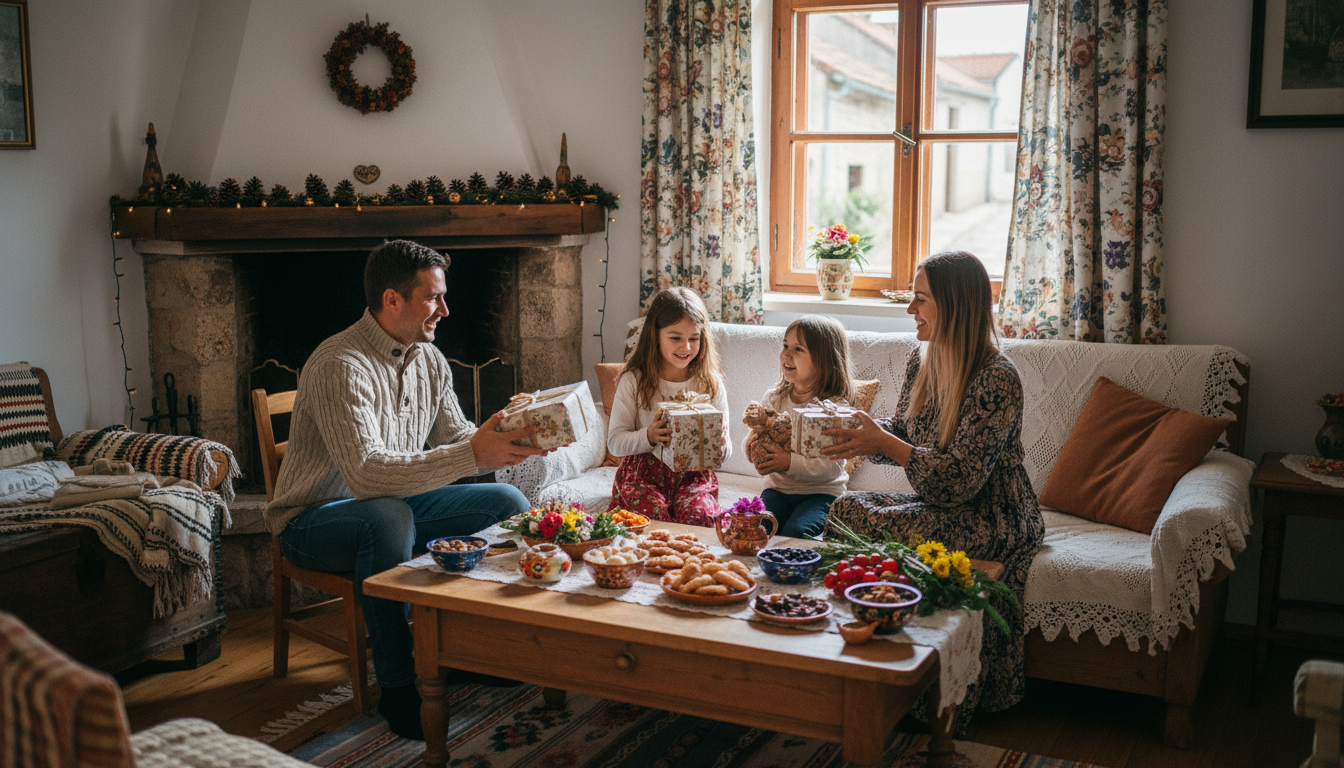
Bringing a small gift is a lovely custom. It shows gratitude for the hospitality. Think modest and thoughtful.
Excellent choices include fine chocolates, a bottle of wine, or cookies. For flowers, always give an odd number. Avoid chrysanthemums, as they are for solemn occasions.
Present your gift when you arrive. An overly expensive item can make people uncomfortable. A sincere gesture matters most.
Social Interactions and Everyday Communication
Your most authentic interactions will likely unfold over a simple cup of coffee, not a formal tour. Building genuine relationships here happens through the rhythm of daily life and honest conversation.
Building relationships through conversation
People are warm and welcoming, but friendships develop slowly. Trust builds as you get know someone through repeated encounters.
Don’t expect instant intimacy. Locals need time to open up completely and consider you a close friends.
Coffee culture is central to social life. People meet multiple times daily in cafés to chat and relax.
This ritual is about connection, not just caffeine. It’s a perfect opportunity to get know locals and practice conversation.
Communication can seem direct and honest. This straightforwardness isn’t rudeness—it’s how people build authentic relationships.
You’ll notice playful debates over who pays the bill. This friendly competition is part of the social experience with friends.
Respecting Religious and Cultural Sites
Stepping into a centuries-old church is like entering a living piece of the nation’s soul. These sacred spaces are active centers of faith & community life. Your mindful behavior here shows deep respect.
With nearly 90% of people following Roman Catholicism, churches are a fundamental part of the social fabric throughout the country. They deserve your quiet reverence.
Dress codes for sacred places
Modest dress is non-negotiable. It’s a key sign of respect for the local culture.
Women should cover shoulders and knees. Long sleeves are preferred. Bring a shawl or light cardigan just in case.
Men should avoid shorts and tank tops. This rule applies to everyone visiting any religious building or attending a service.
Observing local practices and traditions
Once inside, follow the lead of locals. Speak softly and turn your phone off. This mindful conduct is appreciated.
Photography is often restricted during services. Always look for signs or ask permission first. Watching and listening helps bridge any language gap.
Major holidays like Easter are deeply meaningful. Understanding these traditions helps you appreciate the local culture more fully.
Business and Meeting Etiquette in Croatia
Navigating professional settings here requires a blend of patience, respect, and an understanding that trust is built over shared meals, not just memos.
Scheduling meetings and planning agendas
View the first meeting as a get-to-know-you session. Your local counterparts need two or three meetings to build trust before serious talks.
When scheduling, offer several options for time and day. Provide a clear agenda in advance and confirm attendance. This shows you value their time.
Arrange any translation services or equipment needed. Providing documents in the local language grants better access and shows deep respect.
Building trust in professional settings
Dress formally in dark suits. Greet each person with a firm handshake and direct eye contact. Exchange business cards, ideally with one side in Croatian.
Understand indirect communication. Phrases like “It is difficult” often mean no. Read between the lines when asking questions.
Be prepared for small talk and agenda shifts. The host may arrange a working lunch, paying the bill at the end. Never discuss religion, war, or ethnicity.
Weekends are for family. Do not schedule business on Saturday or Sunday. This way of operating requires patience, but it leads to strong, lasting partnerships.
Enjoying Local Hospitality and Traditions
The true rhythm of daily life here beats in the cafés, not on the clock. To connect authentically, you must embrace the art of the leisurely break.
Coffee culture and leisurely breaks
Ordering a kava is your ticket into this essential social ritual. Locals gather multiple times a day to chat, relax, and simply watch the world go by.
This is the heart of croatian culture. Don’t rush your coffee—staying for an hour or two is normal. It’s a cherished part of the experience.
Near the Adriatic Sea, you’ll feel the philosophy of fjaka. It’s a celebration of slowness. People take time to admire the sea and savor the moment.
Wine culture is equally deep-rooted. Coastal wineries produce excellent reds like Teran and whites like Graševina. Local beer, or pivo, is also a part of social life.
Generous service defines local hospitality. Expect friendly debates over who pays the bill. Joining these daily rituals gives you access to genuine connections.
Celebrate local traditions like St. Martin’s Day wine blessings in November. These events offer a true taste of the culture and make your visit unforgettable.
Conclusion
This guide has equipped you with the keys to unlock authentic local experiences. Applying this practical information transforms your visit from simple tourism to meaningful connection.
Respect for family life and social rituals is central. Paying attention to small things, like greetings and shared meals, shows you value the local way of life. This etiquette builds trust with the people you meet.
By the end of your trip, this effort grants you access to warm hospitality. You’ll enjoy a richer, more memorable experience in this beautiful country. Your respect makes every interaction better.