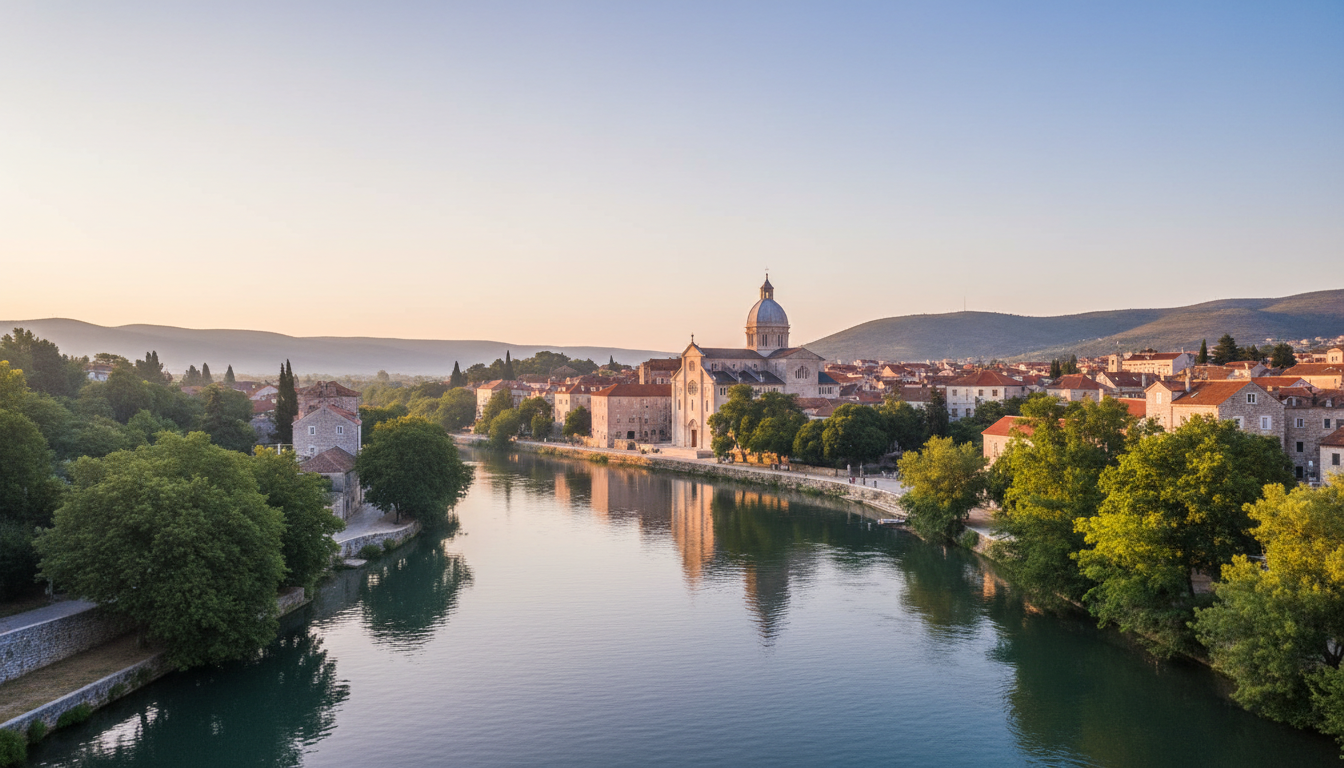
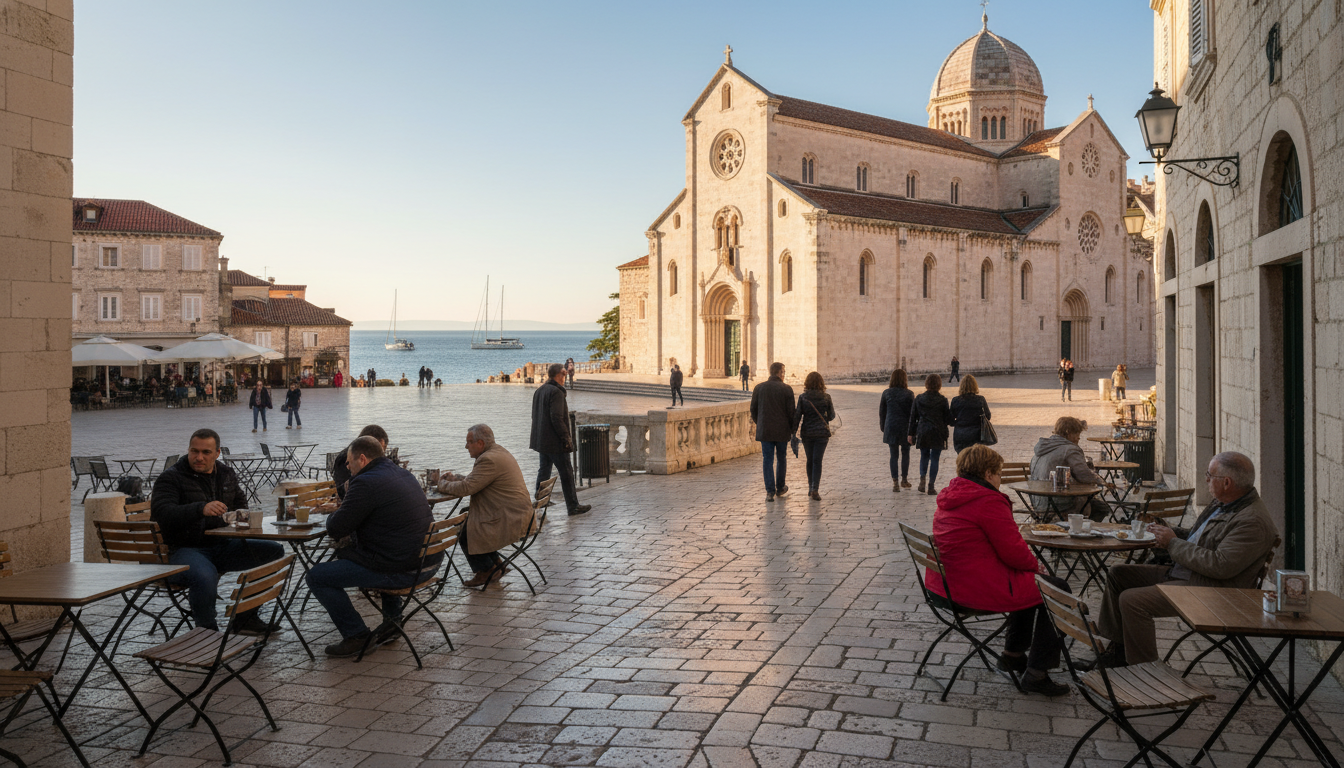
Imagine having Šibenik’s ancient stone streets and sparkling Adriatic views almost to yourself. This is the magic of planning your sibenik shoulder season trip. You’ll find a quieter, more authentic version of Croatia’s stunning Dalmatian coast.
The sweet spot for travel falls in late spring and early autumn. Think April through May or late September into October. The summer heat eases, but the sea remains warm enough for a swim.
You get fantastic weather for exploring without the peak season crowds. Restaurants are more relaxed, and you can actually hear the city’s history. This guide gives you the local knowledge to plan a perfect visit during these ideal months.
Key Takeaways
- Shoulder season offers the best balance of good weather and smaller crowds.
- The ideal time to visit is during spring (April-May) or fall (late September-October).
- You’ll experience more authentic local life and easier access to attractions.
- Planning your trip during this period often means better prices for flights and hotels.
- It’s the perfect time for exploring both the historic city and the nearby national parks.
- Packing should include layers for warm days and potentially cooler evenings.
Understanding Šibenik Shoulder Season
To truly grasp the value of a shoulder season trip, you need to see how it compares to the busier and quieter months. Coastal destinations operate on a three-part tourist calendar.
Defining shoulder season travel
These are the transitional months on either side of summer. Think late April through May and late September into October.
This period offers the ideal time for a visit. The weather is warm and pleasant. Most restaurants, shops, and tour operators are fully open.
You will find fewer fellow travelers than in summer. This creates a more relaxed pace. It’s the local secret for enjoying the coast.
How it differs from peak and low seasons
Peak summer brings intense heat and massive crowds. Prices for flights and hotels are at their highest. July and August are the busiest.
The low season sees many coastal facilities shut down. The weather turns cooler and wetter. It’s very quiet, but your options are limited.
The sweet spot is clearly the shoulder season. You get fantastic weather without the intense crowds. You’ll also pay significantly less than peak summer rates.
For a detailed breakdown of these periods, check our guide on the best time of year to visit.
Benefits of Choosing Shoulder Season in Šibenik
Smart travelers know that avoiding peak months leads to better prices and fewer people. You gain a more authentic and enjoyable vacation. The city reveals its true character when it’s not packed.
Lower prices and fewer crowds
Your budget stretches much further. Hotel rates often drop 30-50% compared to July and August. Restaurants, tours, and rental cars also cost less.
You will encounter minimal lines at popular attractions. Explore the Cathedral or fortress mostly to yourself. This saves you valuable time during your trip.
A more relaxed travel experience
Large cruise ships are absent in these months. You share the streets with independent travelers and locals. Shop owners have time for genuine conversations.
Booking last-minute stays and restaurant tables is easy. Beach areas and promenades feel pleasantly spacious. Your days unfold at a calm, peaceful pace.
Weather and Climate Expectations
The coastal weather during these months strikes a perfect balance between summer’s intensity and winter’s chill. You get sunny, pleasant days that are perfect for being outdoors all day.
Average Temperatures and Seasonal Rain
Late April and May see comfortable temperatures from the 60s to mid-70s°F. May is usually drier and sunnier than April, which can have brief showers.
September and early October often feel like an extended summer. The air is warm, and the sea water is at its most inviting. This period typically has less rain than spring.
- Sea swimming is comfortable by late May.
- September offers the warmest coastal water of the year.
- Pack a light layer for cooler evenings in April and October.
Comparison with Summer and Winter Weather
You completely avoid the exhausting heat of peak summer. July and August often see temperatures in the 90s with high humidity.
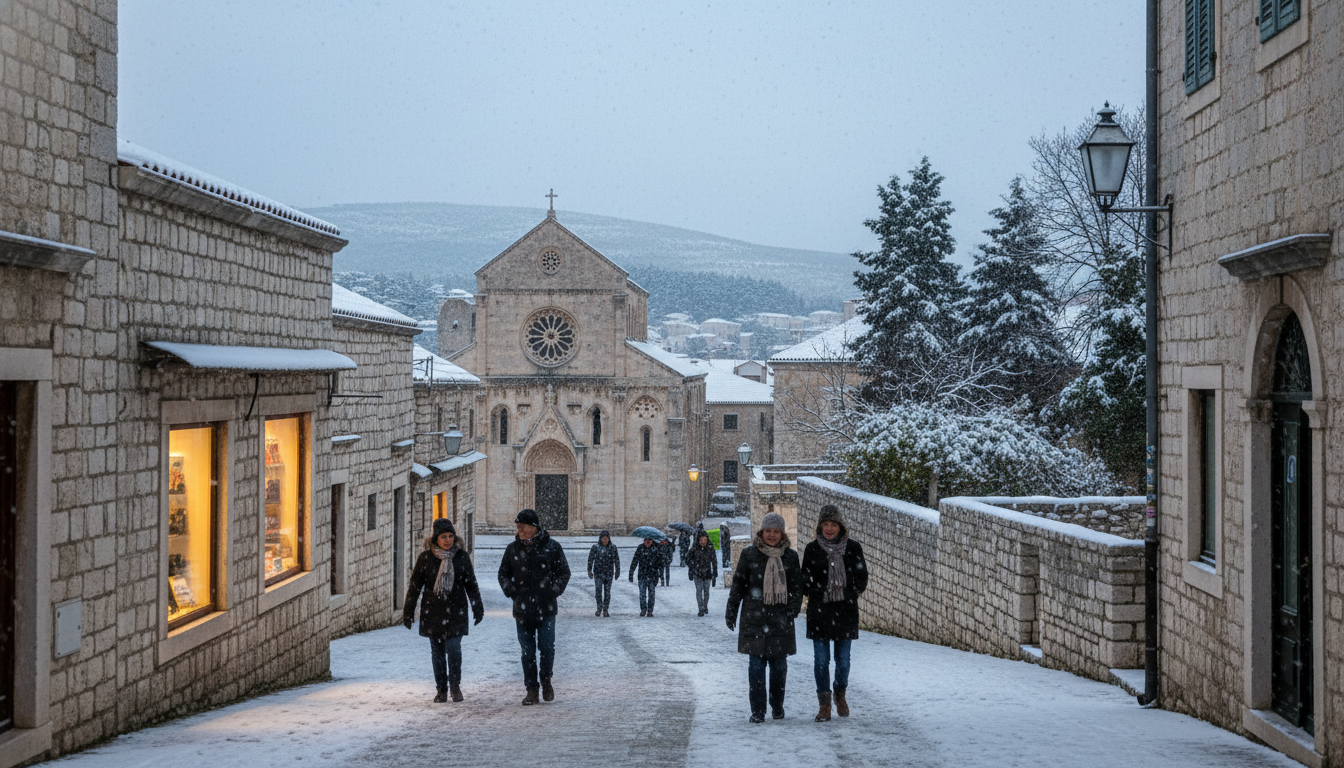
Winter brings cooler, wetter weather that isn’t ideal for a beach visit. The shoulder months provide the time for perfect, dry exploration.
Exploring the Adriatic Coast During the Shoulder Season
Exploring the Adriatic coastline becomes a serene adventure outside the peak summer rush. You’ll find the entire Dalmatian coast warm and sunny. This is the ideal time for long, relaxed days by the sea in this beautiful country.
Visit local beaches and you’ll have plenty of space. Unlike summer, you won’t fight for a spot on the sand. The water is warm enough for swimming from late May through September.
Driving the scenic coastal road is a joy without heavy traffic. Island-hopping trips are easier with expanded ferry schedules. You can spend days sailing the Kornati archipelago or exploring quiet island coves.
Beach clubs and waterfront restaurants are open and welcoming. You get better service and a true local vibe. This peaceful time lets you experience the coast as residents do.
Cultural Events and Local Festivals
Beyond the sunny weather, the shoulder months pulse with authentic local life and celebration. This is the perfect time to experience Croatia’s living culture through its many festivals and community gatherings.
Seasonal Celebrations in Šibenik and Nearby Towns
The spring calendar is full. Easter brings traditional processions. April features culinary festivals like Split’s Gast Fair.
May honors patron saints in coastal cities with outdoor performances. In the fall, food and wine festivals celebrate the harvest.
Opportunities to Experience Local Traditions
You’ll share these events with local people, not just tourists. This creates a genuine cultural exchange.
Look for smaller neighborhood festivals and traditional fairs and markets. They offer local products and live music.
Key types of events you can find:
- Religious and historical processions
- Food, wine, and culinary showcases
- Local music and art performances
These gatherings provide a real insight into the city and region. You experience traditions without the peak season crowds.
Nearby Attractions and Natural Wonders
The region surrounding the city is packed with incredible day trip destinations. You’ll find cascading waterfalls and ancient Roman palaces all within a short drive. Fill your itinerary with these unforgettable attractions over several days.
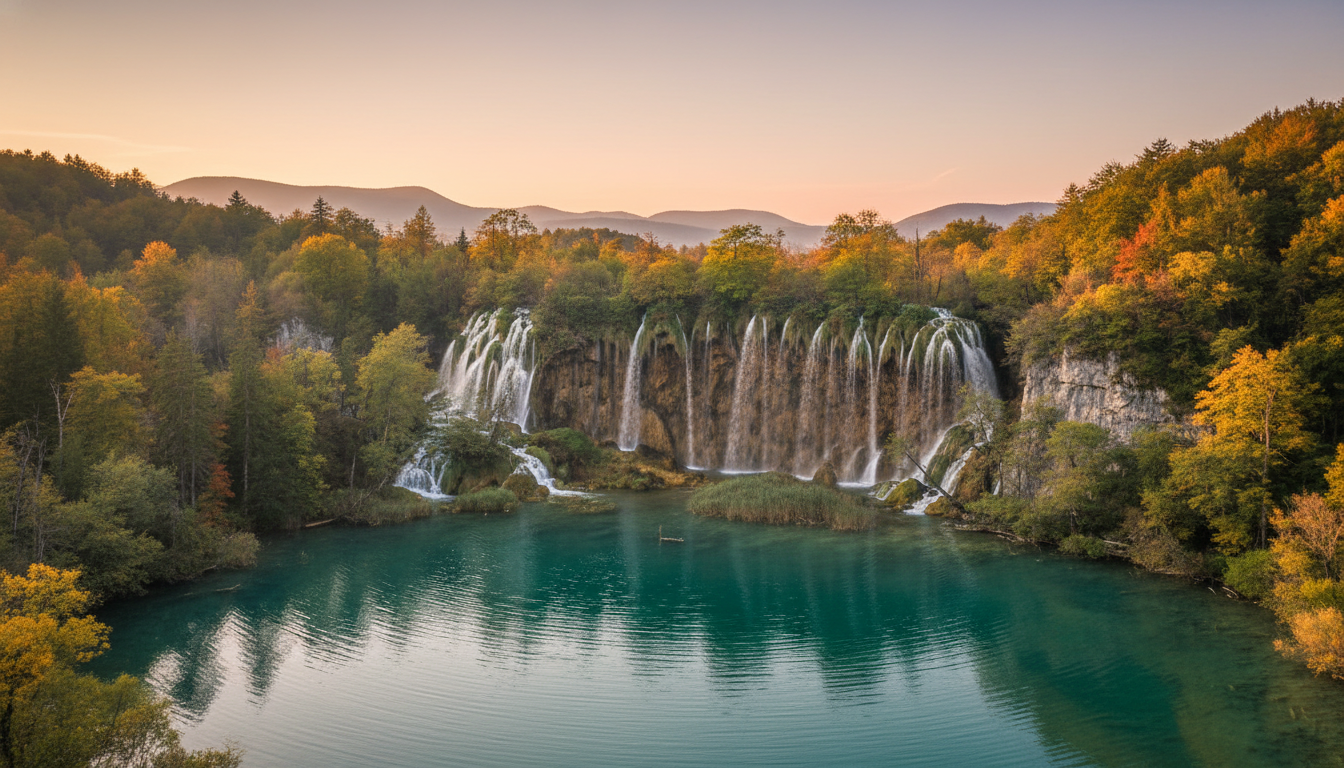
Day trips to national parks like Plitvice Lakes and Krka
Krka National Park is a mere 30-minute trip. Its wooden walkways lead you past powerful waterfalls. Spring snowmelt makes them extra dramatic.
You can even swim below Skradinski Buk when permitted. The experience is serene without peak crowds.
Plitvice Lakes National Park is a two-hour journey. This famous park boasts a chain of turquoise lakes and stunning waterfalls. The Plitvice Lakes are magical in spring and fall.
Fall brings beautiful colors to the entire national park. You could spend two full days between these parks. You’ll have the wooden pathways mostly to yourself on weekdays. This allows for stunning photographs without crowds.
Historical sites and coastal towns
Nearby cities offer rich history. Split’s Diocletian’s Palace is an essential visit. Zadar features unique attractions like the Sea Organ.
Charming coastal towns like Trogir invite leisurely exploration. Their waterfront restaurants and narrow lanes are a joy. These historical sites are fully accessible during these months.
Budget-Friendly Travel Tips
Lower costs and more relaxed bookings define the travel experience in April, May, September, and October. Your vacation funds go much further. This means a more comfortable trip for savvy travelers.
Affordable Accommodation and Dining Options
Hotel prices drop significantly. You can often negotiate directly for a better rate than online sites show. This is the perfect time to book that charming guesthouse.
Flight costs to nearby airports also fall. You’ll find great deals on rental cars for day trips. This stretches your budget for exploring.
- You’ll find plenty of apartment rentals at 40-50% less than peak summer rates.
- Use the extra savings from your flight and hotel to extend your trip.
- Local markets offer fresh ingredients at regular prices, perfect for picnic lunches.
- Restaurants serve the same excellent food without summer surcharges or wait times.
For the most authentic meals, dine where locals do, just a street back from the main waterfront. You get incredible value and flavor.
Planning Your Itinerary
Let’s map out how many days you’ll need to experience the best of this historic city and its surroundings. A smart plan makes your trip Croatia adventure smooth and memorable.
How many days to spend in Šibenik
Plan for at least three full days. This gives you enough time to explore the old town and a major park without rushing.
For a deeper experience, five to seven days is ideal. You can see all the key things, take a boat trip, and visit nearby coastal towns.
Your first day should focus on the UNESCO cathedral and a fortress sunset. Dedicate another full day to Krka National Park. Reserve a third for a boat excursion to the islands.
Build in flexibility for April’s occasional rain. If exploring the region, this city is a perfect base between Split and Zadar.
The best time visit for reliable weather and full operations is late May or September. Consider arriving midweek for the quietest time.
Local Transportation Insights
Navigating your way around the city and its beautiful coast is straightforward with a few key insights. Smart choices save you time and enhance your entire trip.
Getting around Šibenik and its surroundings
The historic core is compact and entirely walkable. You can reach most attractions on foot in just 10-15 minutes. This makes exploring over several days a pleasure.
You won’t need a car within the city itself. Renting one, however, opens up fantastic day trips. Visit Krka, Plitvice Lakes, and other coastal towns with ease.
Car rentals are readily available and affordable. Several agencies operate near the center and bus station. The coastal highway offers stunning views and is far less congested now than in summer.
Ferry services to nearby islands run on reduced schedules in April. They expand to full service by late May and continue through October. This is the perfect time for an island excursion.
Local buses connect you to Split, Zadar, and other cities regularly. They offer an economical alternative to driving. Taxis are available but more limited than in larger Croatian cities.
Parking in the old town is restricted. Use the public lots just outside the historic center. They are convenient and reasonably priced.
A rental car gives you freedom. Explore the coast at your own pace and discover smaller villages. It’s the best way to see the region on your own schedule.
Activities to Enjoy During Shoulder Season
Embrace the perfect climate for active exploration along Croatia’s stunning coast in spring and autumn. You’ll find ideal temperatures for everything from sea kayaking to hilltop hikes. This is when you can pack your days with diverse things to do.
Outdoor pursuits and relaxed sightseeing
The Adriatic water is inviting for swimming by late May. It reaches its warmest point in September. You can enjoy the beach without the intense heat of peak summer.
Hiking in Krka National Park is a pleasure now. You avoid the exhausting midday temperatures of July and August. Cycling coastal roads is also far more enjoyable.
Key activities that shine during these months include:
- Kayaking through calm island channels with fewer boats.
- Photography in the soft, golden light of spring and fall.
- Exploring historic fortresses comfortably, without sweating.
- Sailing trips that operate fully but feel more private.
- Outdoor dining on terraces during pleasant evenings.
There’s plenty of time to enjoy multiple pursuits each day. You won’t need to hide from the afternoon sun. The relaxed pace lets you savor every experience.
Real Traveler Experiences and Practical Advice
Practical wisdom from fellow explorers helps you pack smarter and plan better. Combine their insights with your own preparations for a smooth journey.
Tips from visitors to Šibenik
Experienced travelers suggest visiting Krka National Park on weekdays. You’ll avoid weekend crowds from local families. Book popular restaurants ahead, especially for weekend dinners.
Bring a reusable water bottle. The city has clean public fountains. Many visitors wish they had allocated more time here. Three days often feels too short for proper exploration.
What to pack and prepare for
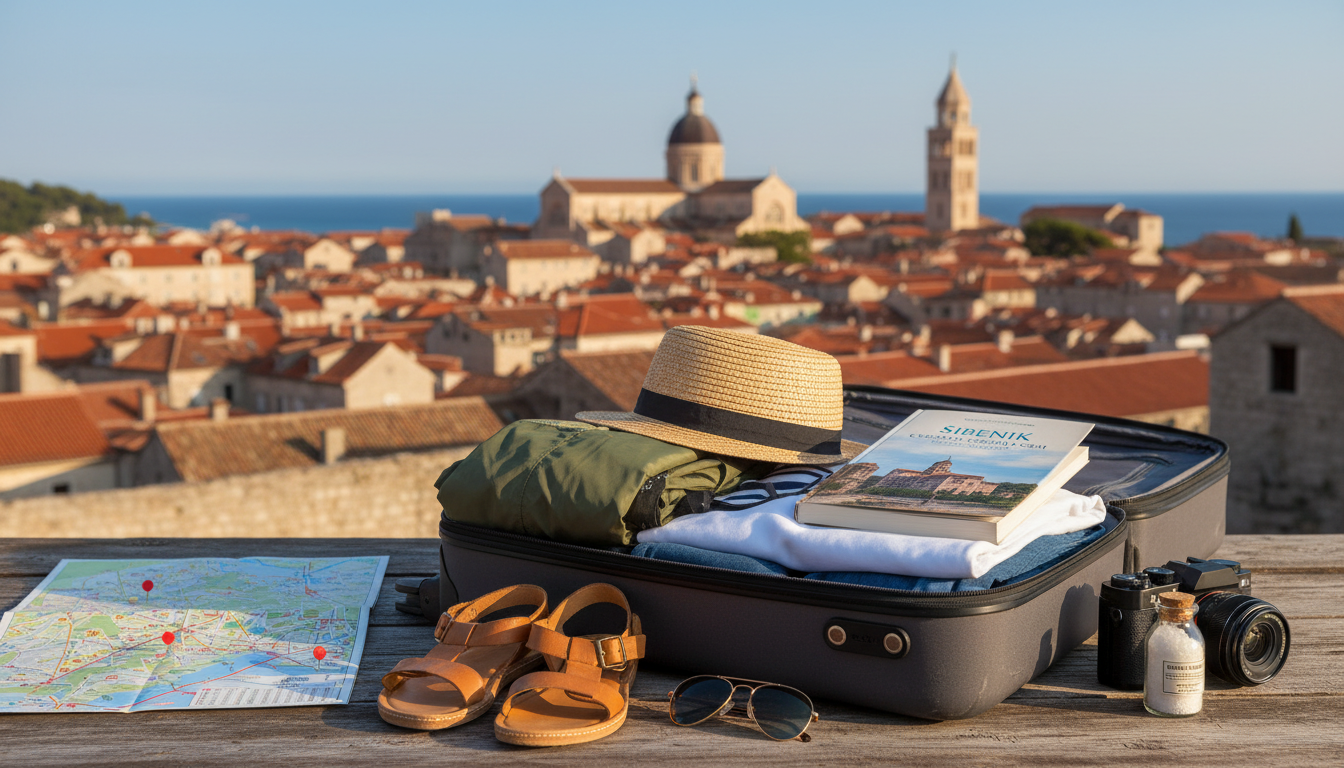
Pack layers for changing temperatures. Mornings and evenings can be cool, even with warm afternoons. This is especially true in April and October.
Include a light rain jacket if visiting in early spring. Occasional showers are more common then. May tends to be drier and sunnier.
September offers summer-like conditions. Pack lighter but bring one long-sleeved layer. Comfortable walking shoes are essential for cobblestone streets.
The weather in late May and September is most reliable. These months have minimal rain and pleasant temperatures. Many find the autumn season warmer and drier than spring.
Conclusion
Experienced explorers know that the true magic of the coast reveals itself when the crowds thin. Visiting in spring or autumn offers the perfect balance for your Croatian vacation.
You’ll enjoy warm weather and comfortable temperatures. The Adriatic coast is swimmable, and island trips are serene. Best of all, you avoid the intense heat and crowds of summer.
The ideal months are April through May and late September into October. Most facilities are fully open from May onward. This means you get the full experience without the peak season rush.
This guide has shown how to plan your trip for these rewarding months. From national parks to local festivals, you can experience the region authentically. It’s the best time visit this beautiful country.