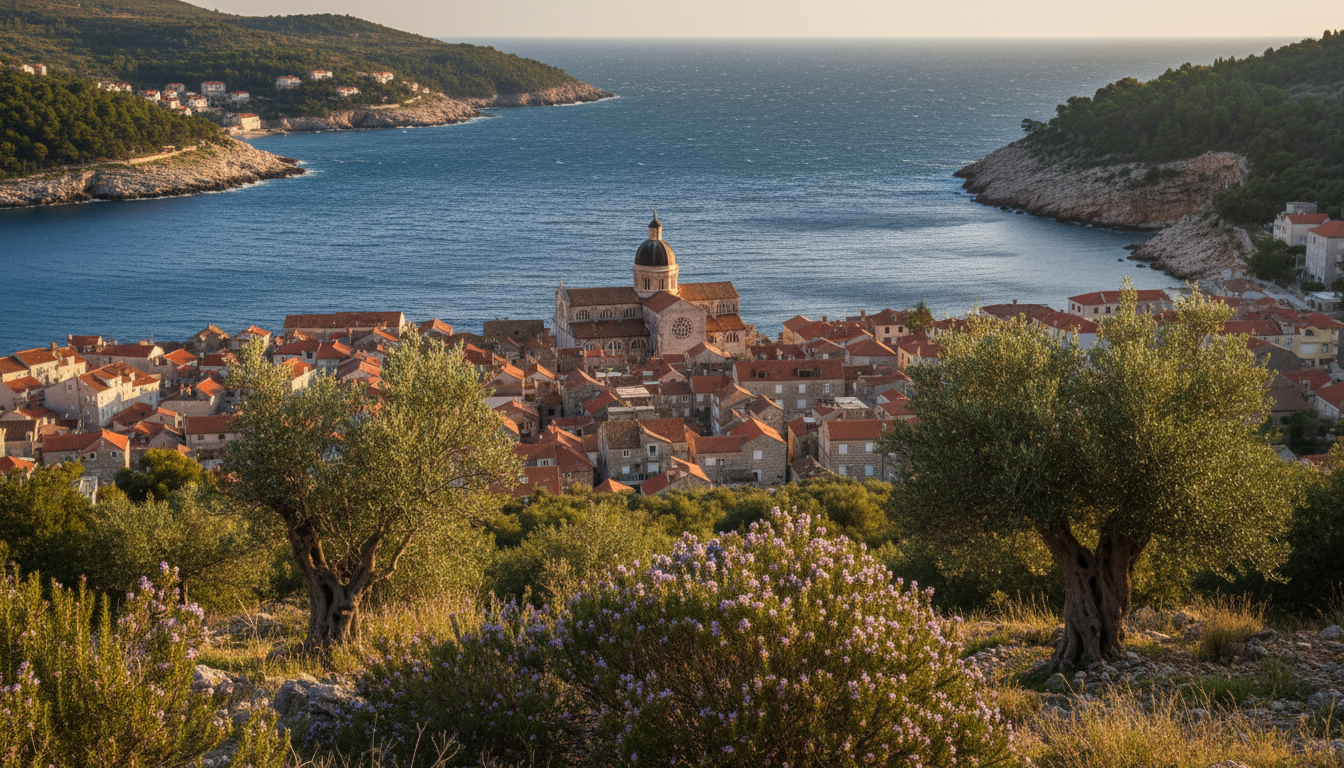
Hearing the unique lilt of the Šibenik dialect is like catching a sea breeze from Croatia’s Adriatic coast—it carries centuries of history and local identity. This distinct way of speaking isn’t just a curiosity. It’s a living record of migration and community along the sun-drenched Dalmatian shoreline. Understanding it unlocks a deeper connection to the people and places you’ll visit.
The speech patterns heard in and around this historic city were shaped by major movements long ago. In the 1500s, settlers from this area and nearby Zadar brought their language to Istria. They spoke a blend of Shtokavian-Ikavian with Chakavian features, which left a lasting mark.
This mix creates a local tongue that stands out in Croatia’s rich tapestry of regional languages. It reflects the area’s role as a hub where sea routes and traditions met. For you, tuning your ear to these nuances means experiencing authentic culture. It’s about grasping the soul of a place beyond the guidebooks.
Key Takeaways
- Discover what makes this local speech pattern unique among Croatian dialects.
- Learn how 16th-century migration shaped its development.
- Understand the specific regions along the coast where it is spoken today.
- See how it connects broader Croatian language families like Chakavian and Shtokavian.
- Appreciate its value for authentic cultural immersion beyond textbooks.
- Gain practical insights into its distinctive pronunciation and vocabulary.
Historical Roots and Cultural Context
To grasp why locals speak the way they do, you must look back at the forces that shaped their world. This local tongue is a direct reflection of its past.
Local Historical Influences
Different rulers left their mark over the centuries. Medieval Croatian kings, Venetian merchants, and Austro-Hungarian officials all shaped daily life. This history of changing rule added unique layers to how people communicated.
Venetian influence was especially strong along the coast. It introduced new words and subtle shifts in pronunciation. This blend created a speech pattern rooted in its environment.
Migration and Regional Ties
The 16th century was a major turning point. Ottoman expansion pushed populations from coastal areas to safer parts of Croatia, like Istria.
This movement wasn’t random. Settlers from the Makarska region arrived first. Later, groups from Šibenik and Zadar brought stronger Chakavian sounds. The fact is, this time of movement fused different linguistic families.
Venice also moved populations, creating a cultural mosaic. These times of change forged lasting regional connections. They explain the unique blend you hear today.
Distinctive Features and Sound Patterns
One of the most recognizable features of this area’s language is the ‘Ikavian’ pronunciation of certain vowels. This means you’ll hear “i” where standard Croatian uses “ije.” It gives the speech its unique musical quality.
Pronunciation and Vocabulary
Listen for words like “mliko” instead of “mlijeko” (milk). This Ikavian feature is a key part of the local sound. It comes from the Shtokavian influence mixed with coastal Chakavian roots.
The vocabulary shows clear Mediterranean touches. Centuries of contact brought Italian and Venetian loanwords. You might hear “škafun” for a large bowl or “kapula” for onion.
Grammatical details also set this way of speaking apart. Verb forms and noun endings can differ. These language features help you spot authentic local speech in conversations or songs.
Each example reveals the blend of influences. Understanding these details makes your visit more immersive. You’ll appreciate the living history in everyday words.
Comparisons with Other Croatian Dialects
The way people speak in Šibenik shares threads with major Croatian dialects while weaving its own pattern. To see this, you look at the three main branches: Shtokavian, Chakavian, and Kajkavian. This comparison helps you grasp its place in Croatia’s rich linguistic tapestry. It also shows how it differs from the standard Croatian you might learn from a textbook.
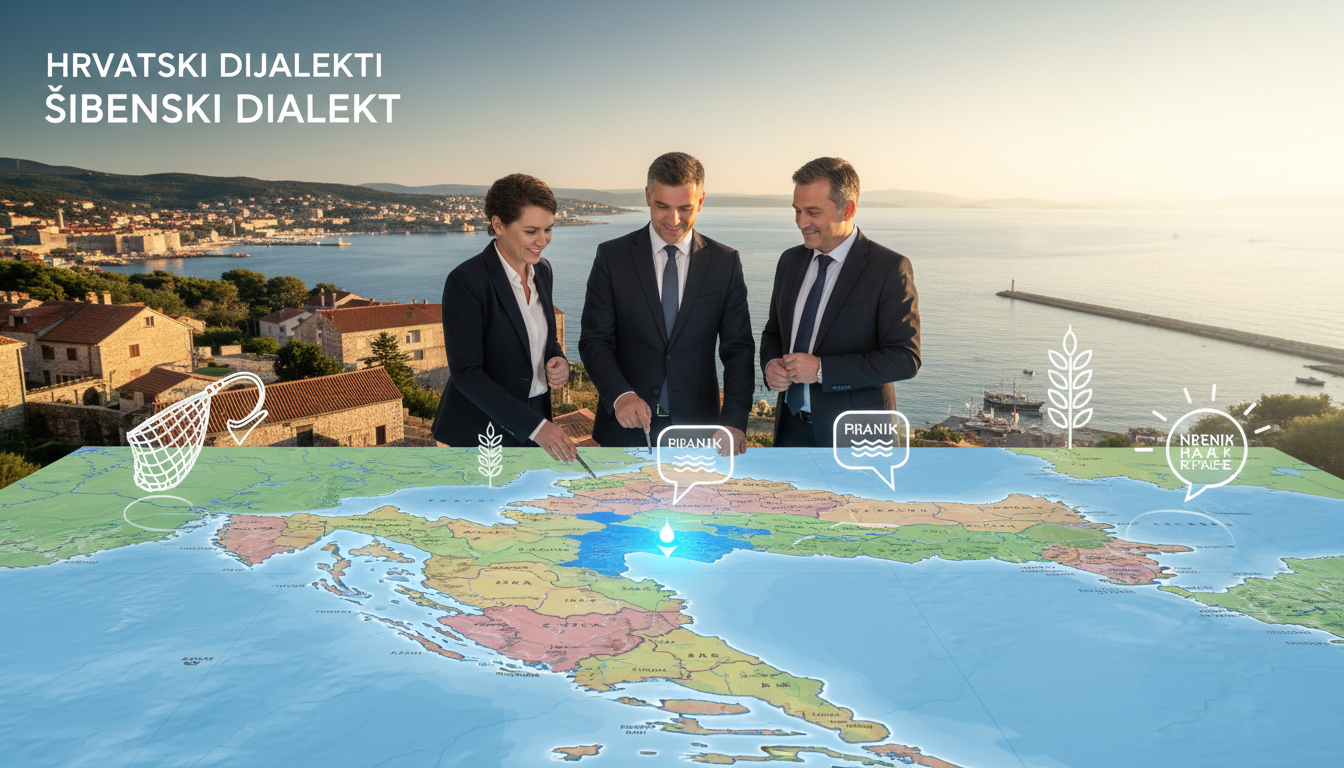
Similarities with Shtokavian, Chakavian, and Kajkavian
Your ear might catch its strong Shtokavian base. This is the same family that forms standard Croatian used in schools and media. Many everyday words follow this pattern.
From Chakavian, it borrows coastal flavor. This includes melodic sounds and vocabulary touched by Italian history. These features are common in Adriatic regions. They connect it to other coastal languages.
Kajkavian influence is less direct. But the blend here creates a distinct local identity across different areas.
Unique Elements of the Šibenik Dialect
The fact is, this local tongue combines elements in a way not found elsewhere. Its specific Ikavian pronunciation stands out. So does its mix of loanwords from Venetian and local maritime terms.
While neighboring regions may share some traits, the complete package is unique. It reflects a deep Dalmatian heritage. Understanding these languages and dialects enriches your travel experience.
sibenik dialect explained: Tradition and Modern Impact
For residents of this coastal city, their distinctive speech is more than just words. It’s a badge of identity. This local language thrives in daily life today, from lively market banter to intimate family gatherings.
Cultural Identity and Media Usage
Local media and cultural events keep this tongue alive. You’ll hear it in folk songs, radio shows, and festivals. These traditions pass expressions down through generations.
People here seamlessly switch between their local way of speaking and standard Croatian. They use the standard form for work, school, and official matters. At home and with friends, the familiar dialect takes over.
This language is a powerful anchor for cultural identity. It connects the community to its Dalmatian heritage along the Adriatic coast. The unique vocabulary and sounds are a source of local pride.
Younger generations master both forms. They use the standard for education and professional life. Yet, many actively learn and use the local speech in social settings.
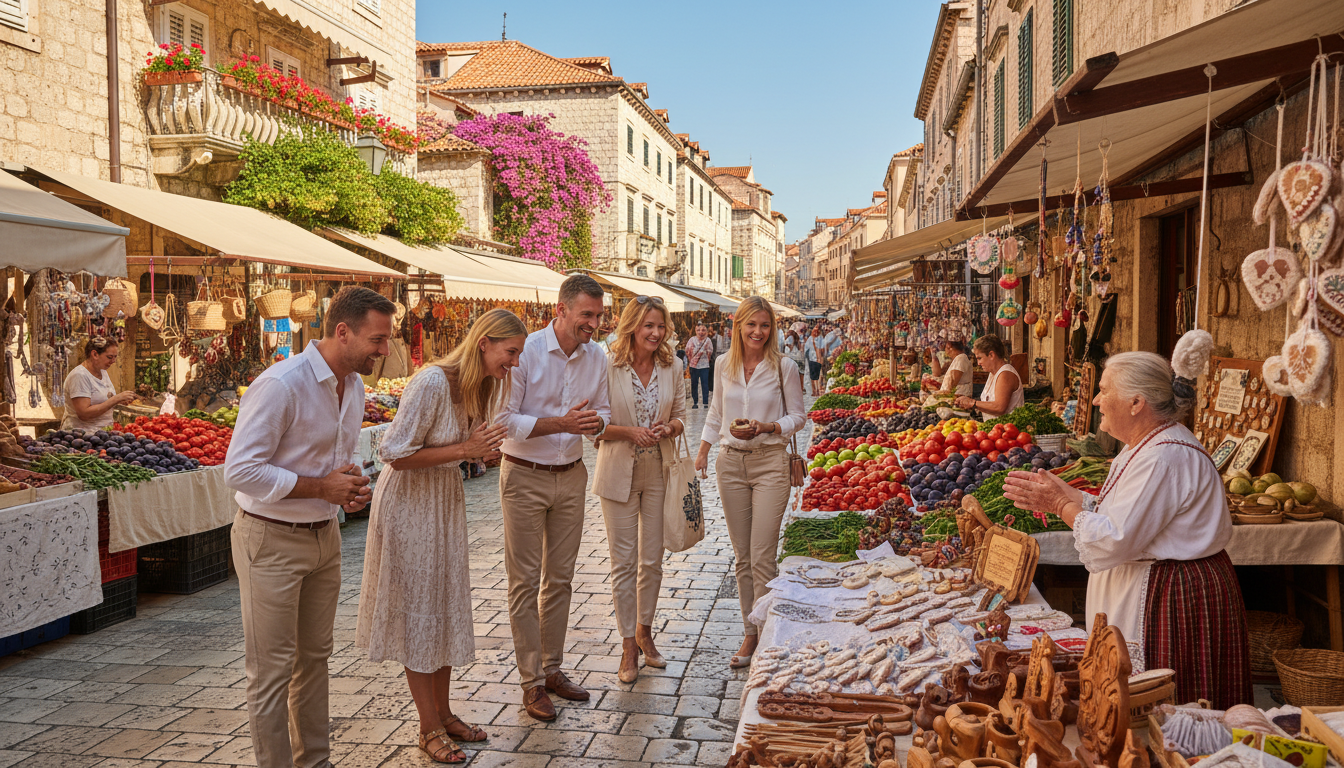
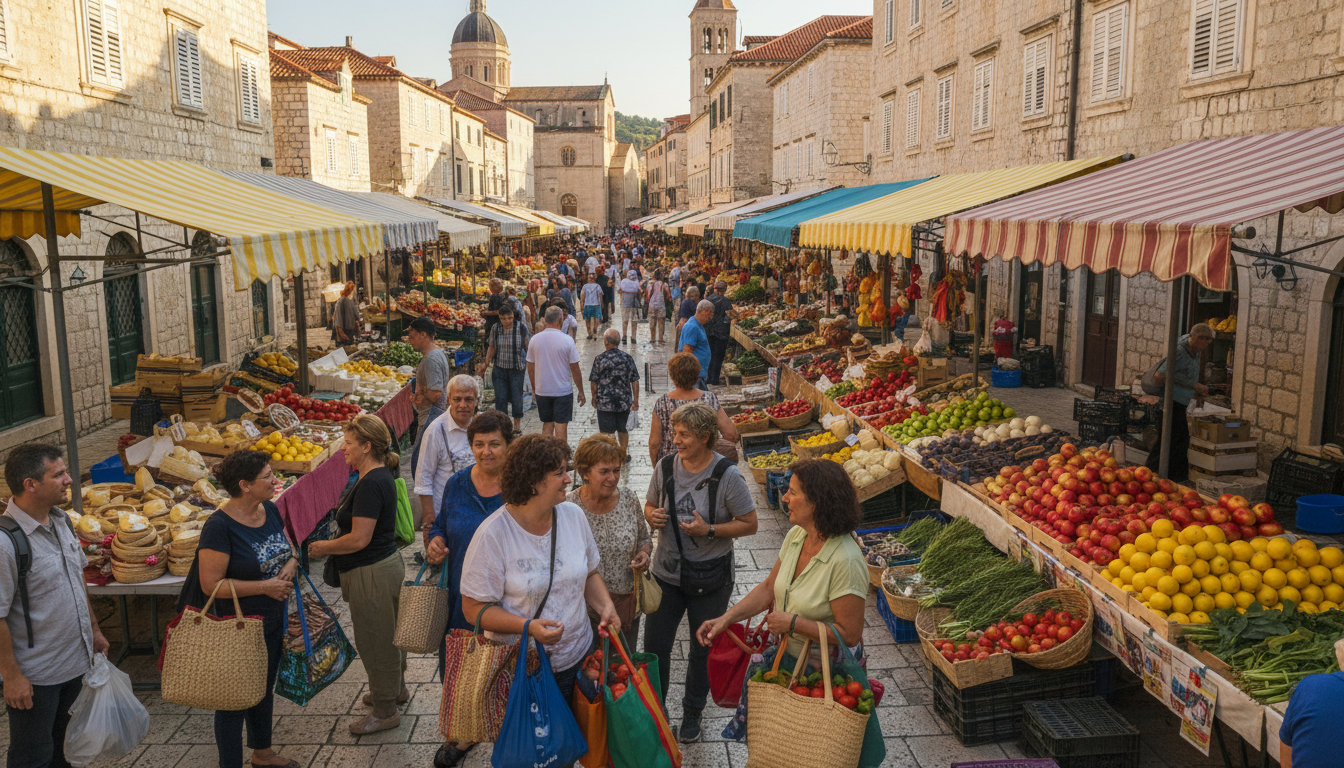
As a visitor, you’ll hear authentic examples in specific places. Listen for it at the open-air market, during traditional klapa singing performances, or in casual cafes. This living language adds a rich layer to your experience of the area.
The Role of Historical Migration in Language Evolution
Mass migration during the Ottoman era fundamentally reshaped the linguistic landscape of coastal Croatia. The 16th century expansion pushed populations from Dalmatian regions to safer parts like Istria.
This movement occurred over the course of centuries. Settlers from the Makarska area arrived first. Later, groups from Šibenik and Zadar brought stronger Chakavian sounds.
The result was a unique blend. Their speech mixed Shtokavian-Ikavian base with coastal Chakavian features. Venice also relocated people, adding another layer of influence.
Migration changed the language in specific ways. The place people came from determined the traits they carried. This exchange worked both ways, bringing new elements back over time.
Studying this history is key. It explains the particular mix you hear today. Understanding these forces gives you a deeper side of the local culture.
Conclusion
The living language of this Dalmatian city tells a story of resilience and adaptation. You’ve seen how historical events forged its unique sound. This blend of Shtokavian and Chakavian features creates a strong local identity.
While standard Croatian dominates official fields, this local speech enriches everyday life. It thrives in daily conversations along the coast. You can now recognize its key traits.
This knowledge deepens your connection to the region. Use it to engage authentically with locals. For a complete experience, find the best places to stay and immerse yourself fully.