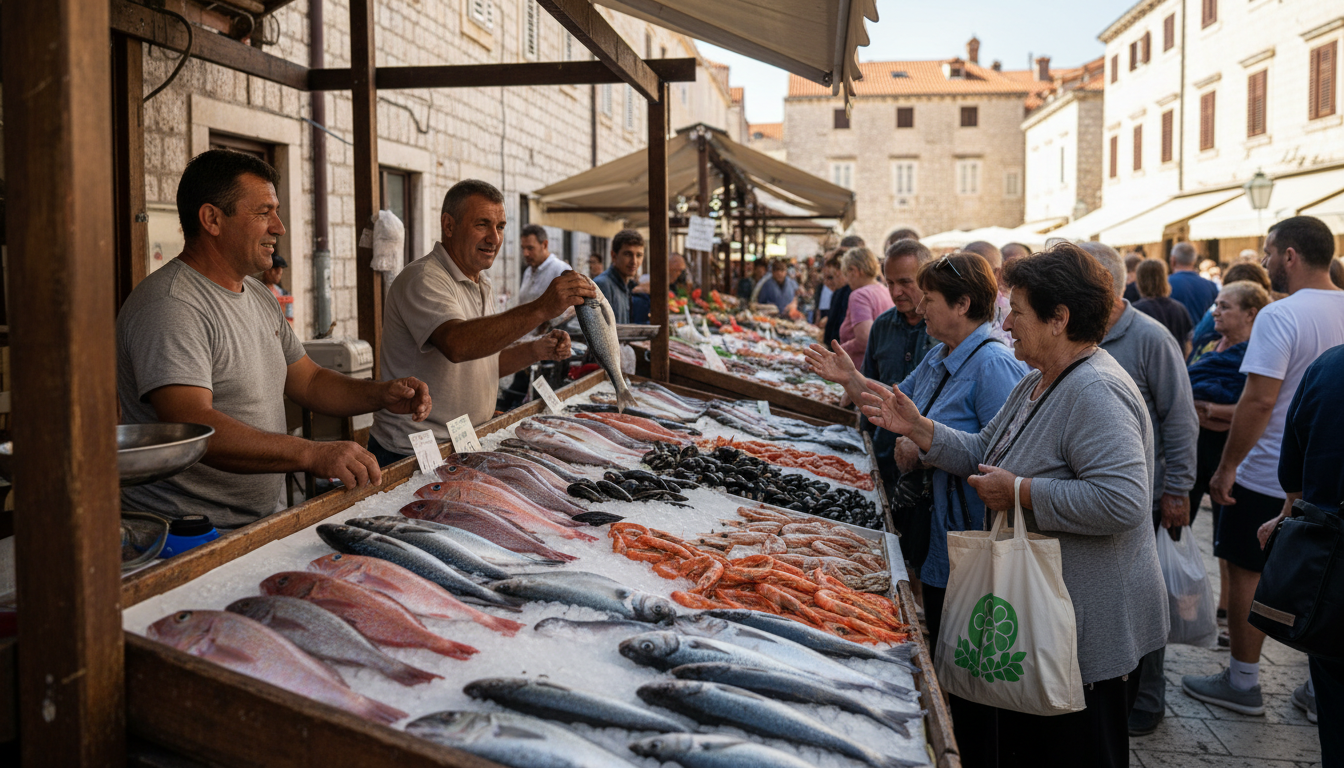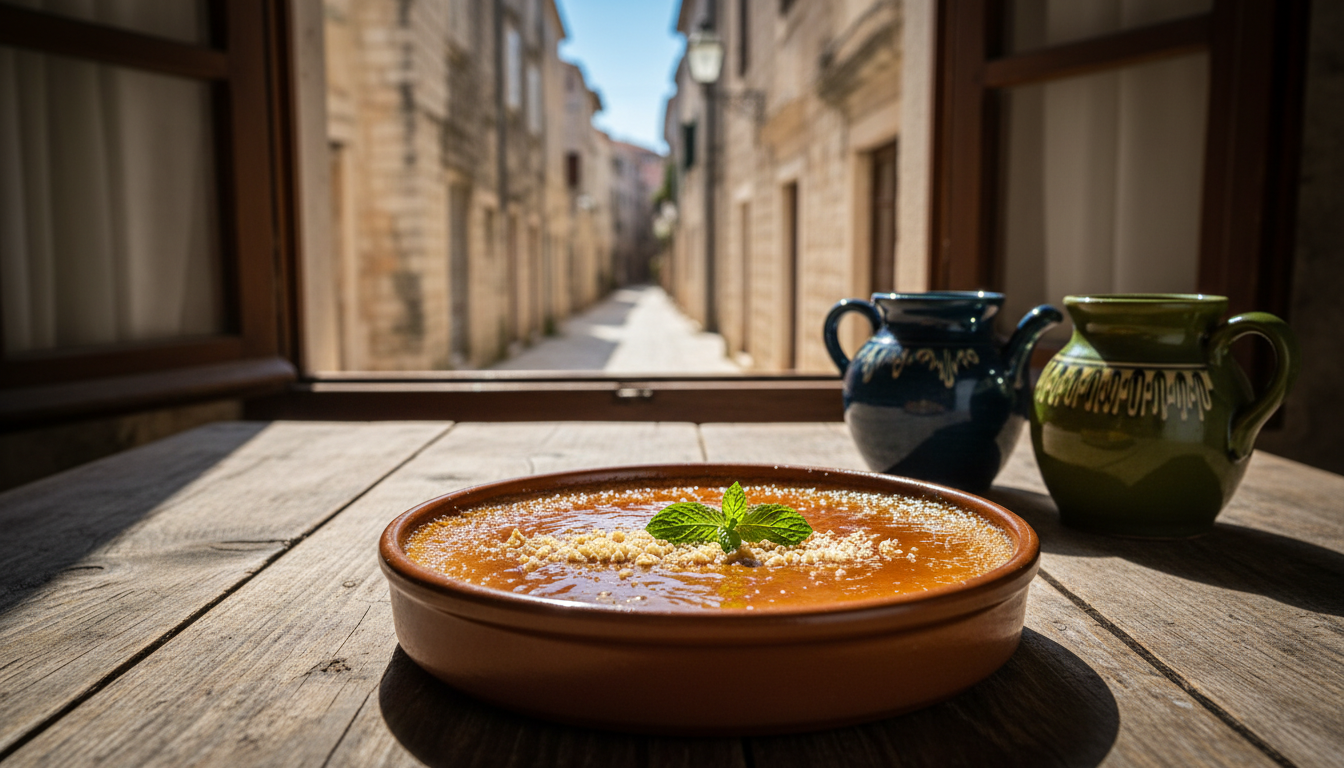
Did you know over 20 million travelers explored Croatia last year? A huge number came hungry for its authentic, world-class food.
This beautiful country is a magnet for food lovers. You will find menus in English, German, and Italian at many spots.
But to move from tourist to insider, you need local know-how. Understanding simple customs transforms a good meal into a great experience.
Our practical guide helps you interact with staff smoothly. You will learn to sidestep common tourist pitfalls and savor every moment.
It is all about respecting rich traditions. You will navigate the local scene with total confidence. This knowledge deepens your appreciation for the region’s famous hospitality.
For a taste of high-end local cuisine, explore the Michelin-star restaurants in Šibenik.
Key Takeaways
- Knowing local customs turns a simple meal into a memorable cultural event.
- Many restaurants provide multilingual menus, making ordering easier for visitors.
- Respectful interaction with staff is key to a positive dining experience.
- Avoiding common tourist mistakes helps you enjoy authentic food and atmosphere.
- Understanding traditions allows you to connect more deeply with the local culture.
- Simple etiquette tips give you confidence in any dining situation.
- Embracing the local way enhances your overall travel adventure.
Croatian Dining Culture and Traditions
In Croatia, a meal is far more than just food—it’s a vibrant celebration of community and heritage. Understanding this social fabric turns every bite into a deeper cultural connection.
Community and Family Meal Customs
Sharing a table is a central pillar of life here. Gatherings often include extended family and friends, emphasizing the value placed on relationships.
You will feel this warm hospitality firsthand. Hosts frequently offer second helpings to ensure everyone feels completely welcomed and satisfied.
This focus on togetherness even shapes the daily schedule. Meals are leisurely events, perfectly aligning with the local typical eating times.
Traditional Table Settings and Local Ingredients
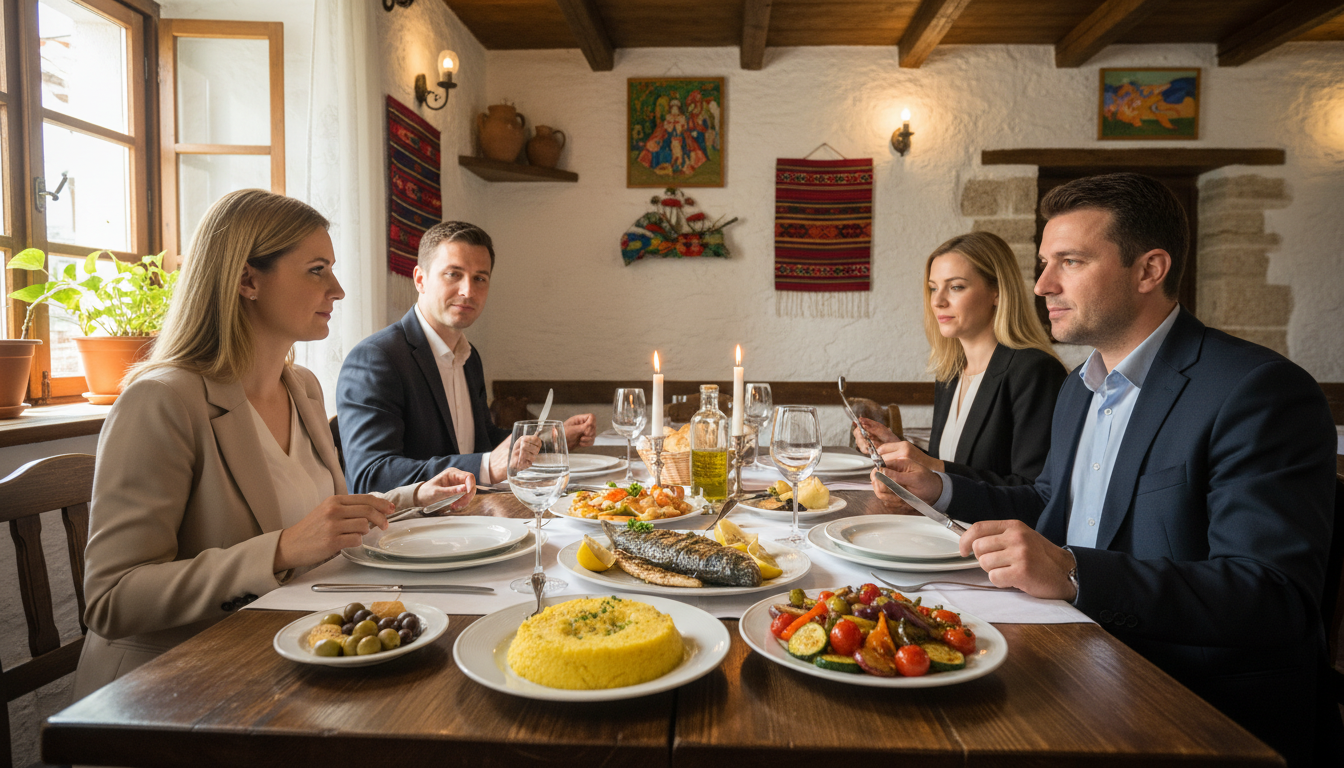
The table itself is designed for conversation. Cutlery is placed in the European style, creating an orderly and respectful setting.
Food highlights fresh, locally sourced ingredients. This reflects a deep connection to the land and sea, defining the region’s culinary traditions.
For an authentic taste of this culture, visit a place like Fantazija Split. It showcases how these elements combine for unforgettable experiences.
Essential dining etiquette croatia
Your confidence at the table grows when you grasp the core social expectations. These simple guidelines help you show respect and enjoy a more authentic connection.
Key Do’s and Don’ts for Visitors
Knowing the basic rules is vital. It transforms your meal into a smooth and respectful event.
You might notice some locals are quite direct. View this as a sign of honesty, not rudeness—it’s a valued cultural trait.
Always wait for your host or the eldest person to begin eating. Keep your hands visible on the table, not in your lap.
If you’re ever unsure, just observe the locals around you. Following their lead is the best way to blend in gracefully.
Remember to compliment the cook sincerely. Expressing genuine enjoyment of the food is always appreciated.
- Prioritize observation—watch how others act and follow suit.
- Interpret directness as cultural honesty, not impoliteness.
- Show respect by letting your host start the meal.
- Keep your engagement visible with hands on the table.
Local Menu Highlights and Signature Dishes
Get ready to explore a culinary landscape where fresh catches and golden olive oil are the stars of every meal. The local menu is a celebration of simplicity and deep flavor.
You will discover dishes that honor the region’s best ingredients. From the coast to the inland villages, each plate tells a story.
Exploring Seafood and Olive Oil Favorites
Coastal menus often feature seafood like orada (sea bream) or brancin (sea bass). These fish are typically grilled with just garlic, parsley, and a drizzle of local olive oil.
This method lets the pristine ingredients shine. High-quality oil is a cornerstone here, used for finishing almost every plate.
Regional Specialties Worth Trying
For a truly unique experience, seek out slow-cooked dishes. The famous peka requires advance booking—meat and vegetables cook for hours under a metal bell.
You should also sample pašticada, a Dalmatian beef stew marinated for a full day. Its rich, complex taste is worth every minute of preparation.
For your main course, a classic side is blitva. This simple mix of chard and potato is seasoned with local olive oil.
- Blitva is a staple side that perfectly accompanies grilled seafood or meat.
- If you prefer a vegetarian option, ask how the food is prepared, as shared grills are common.
Restaurant Booking and Seating Guidance
Your evening out begins long before you arrive at the restaurant door. A bit of foresight ensures you get the most from your visit.
Planning Ahead for the Best Experience
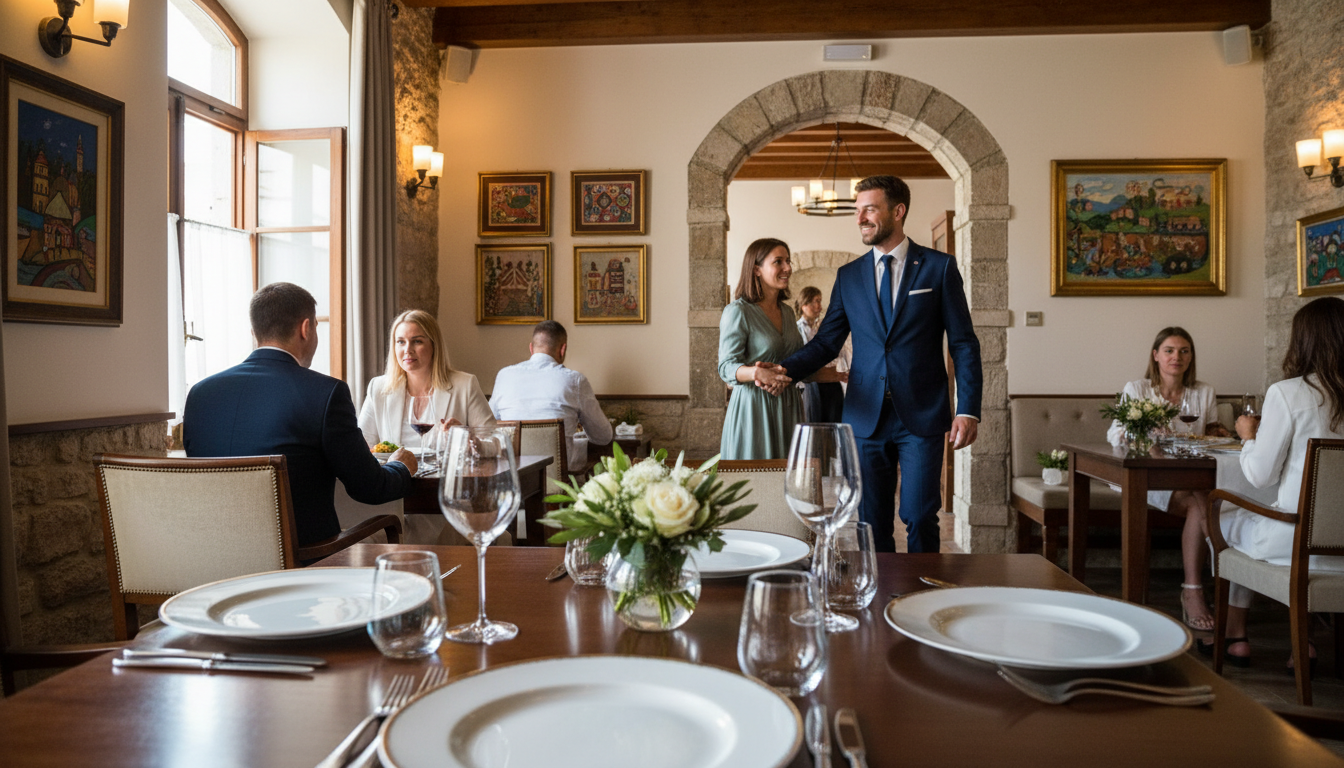
Popular venues book up quickly, especially in peak season. Reserving a table a day in advance is a smart move.
This guarantees you a spot and often lets you request a specific view. Some tables are tucked away in less desirable areas.
When you call, be clear about your seating preference. It helps the staff find you the perfect place.
- Plan your restaurant visits ahead to secure a prime spot with a sea view.
- Clearly state your seating wishes during booking to ensure a great atmosphere.
- For special dishes needing long prep time, confirm your order 24 hours early.
- Research your destination to match your expectations for the evening.
- Consider how day tours might affect your preferred booking slot.
Taking these steps creates a smooth, enjoyable experience. You will relax knowing your place is waiting.
Tipping, Service, and Payment Practices
Knowing how to handle the check and show appreciation can complete your experience on a high note. It’s the final, respectful touch to a wonderful meal.
Understanding Local Tipping Norms
Here, leaving a tip is a gesture of thanks, not a strict rule. A service charge is rarely included on your bill.
Offering about ten percent of the total is seen as generous and polite. Leaving twenty percent is considered quite extravagant by local standards.
Always try to give your tip in cash, even if you pay the main bill with a card. This direct method ensures your server gets the gratitude immediately.
Remember, tipping culture here is more relaxed than in the United States. You should never feel pressured.
- Good service is often rewarded with a 10% cash tip.
- Handing cash directly to your waiter supports their hard work.
- You are never obligated to leave a tip for poor service.
- This custom is about appreciation, not expectation.
Table Manners at Home and in Restaurants
The way you handle your cutlery and interact at the table speaks volumes about your respect for local traditions. Your actions set the tone for the entire shared experience. Observe the host closely—they guide the pace and ritual of the gathering.
Proper Use of Cutlery and Napkin Etiquette
Your meals typically begin when the host says ‘Dobar tek‘ and raises their glass for a toast. Wait for this moment before you start. It is a sign of togetherness and respect.
Use your knife and fork in the continental style. Keep the fork in your left hand and the knife in your right throughout the meal. This method is efficient and widely expected.
When you have finished, place your knife and fork parallel on your plate. This clear signal shows the staff you are done. It is a simple but effective local custom.
Handling Dietary Preferences and Requests
If you have specific dietary needs, communicate them clearly when you book or order. Small kitchens may have limited options, so patience is appreciated. Most places will try their best to accommodate you.
Tearing bread with your hands is a traditional custom. It shows respect for the food. Cutting it with a knife is less common here.
- Keep your hands visible on the table during the meal.
- Always wait for the host to initiate the first toast with wine.
- Use the continental style for cutlery from start to finish.
- Signal you are finished by placing utensils parallel on the plate.
- For dietary requests, give advance notice when possible.
General Social and Greeting Etiquette
Your first impression matters greatly when connecting with locals. Simple, respectful greetings are your key to positive experiences.
Respectful Greetings and Host Interactions
Start any meeting with a firm handshake. Maintain direct eye contact—it shows respect in the local culture.
Use “Dobar dan” as your standard hello during the day. Before mid-morning, switch to “Dobro jutro.”
Address people formally unless they suggest otherwise. Titles like Gospodin or Gospođa are common until you become friends.
Whether you’re visiting a home or meeting for a guided tour, be on time. Social events allow slight flexibility, but punctuality is valued.
Bringing a small gift is a thoughtful gesture. A bottle of wine or chocolates is often served as a sign of appreciation.
Always be mindful of your volume in public spaces. Speaking too loudly is considered impolite here.
- A strong handshake and direct eye contact build immediate trust.
- Formal titles show respect for people and their culture.
- Punctuality matters, whether you’re heading to a meal or starting a day of tours.
- A simple gift can deepen your connection with new friends.
- Keeping your voice down ensures you blend in seamlessly.
Conclusion
The true flavor of your travels comes alive when you connect with a place through its shared meals and traditions. Applying the simple lessons from this guide transforms your trip into a richer cultural adventure.
Your respect for local customs and traditions shows genuine appreciation for the way of life here. Small, thoughtful gestures build positive connections that last.
Savor every moment and every plate of delicious dishes. You can explore this beautiful country with total confidence, knowing you’re prepared.
Let this knowledge be your key to a more rewarding and authentic travel experience.