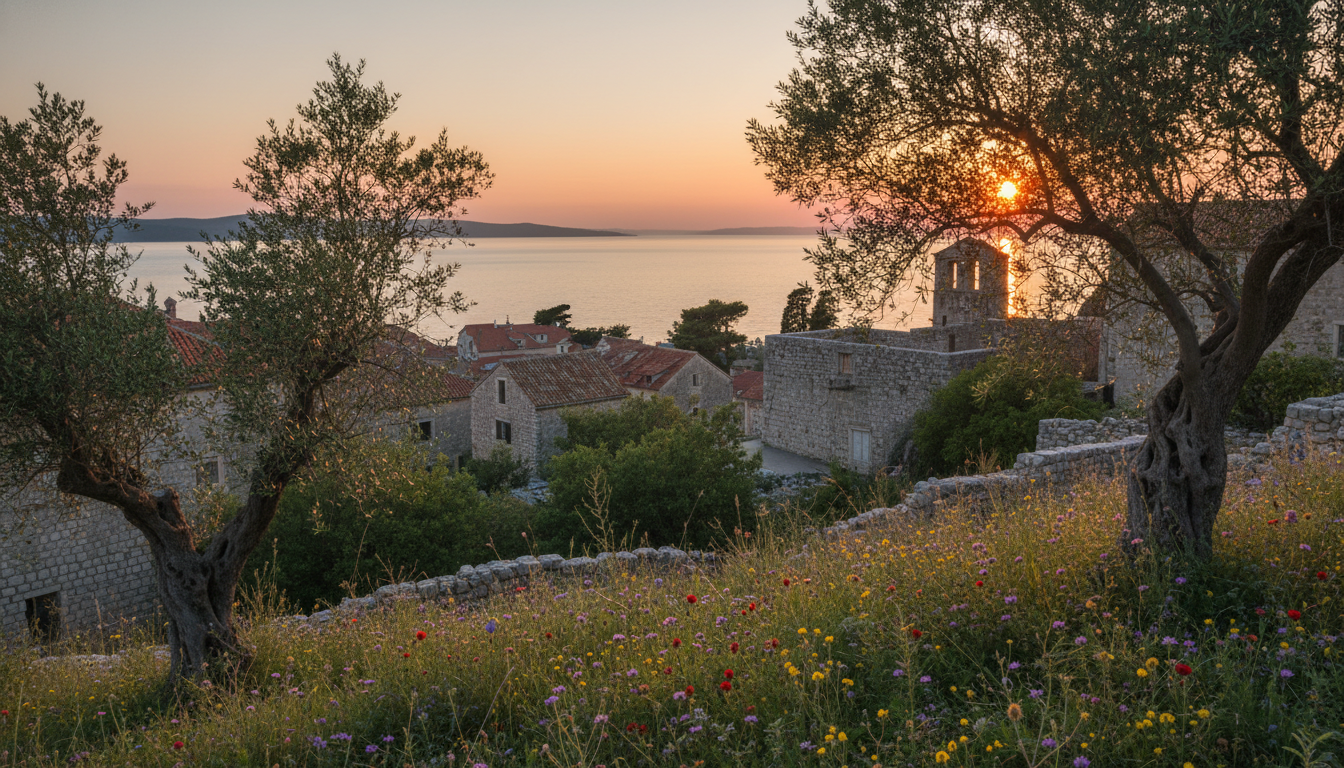
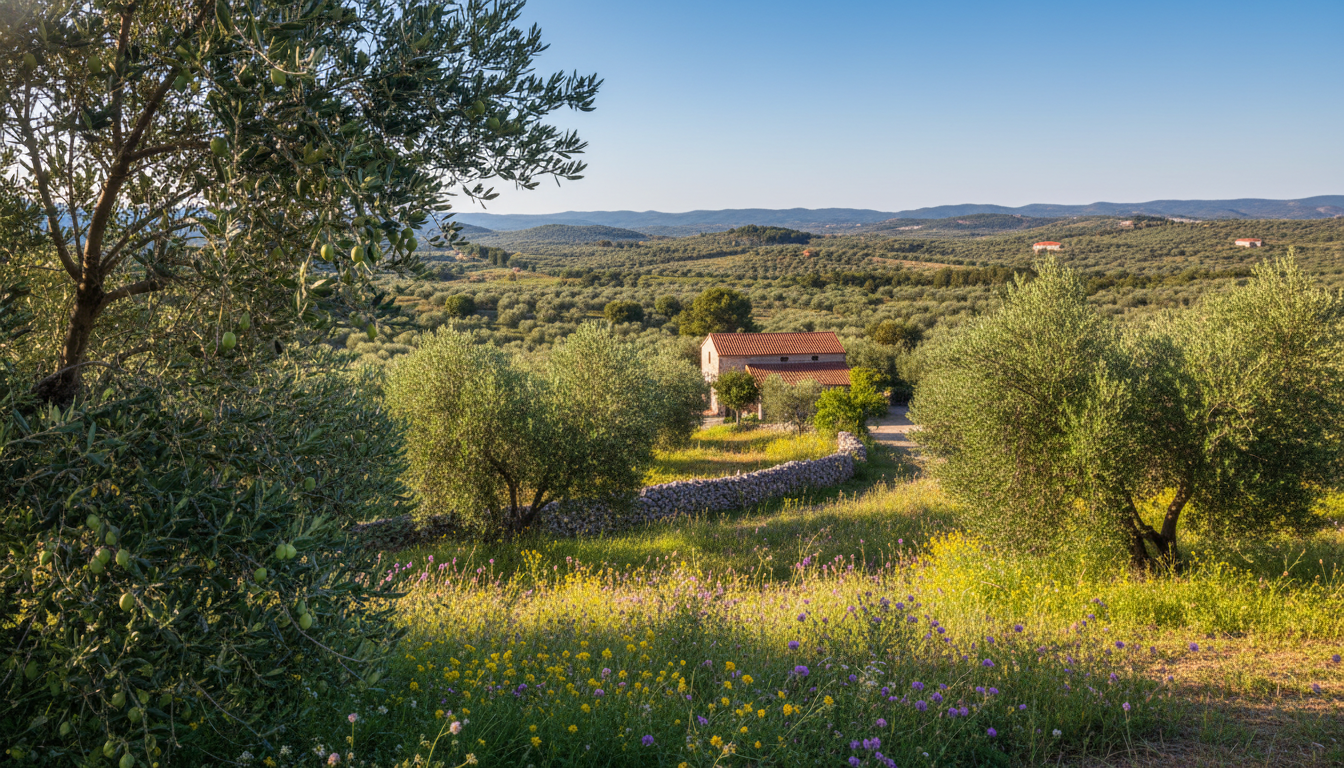
Imagine wandering through sun-drenched landscapes, where ancient trees whisper tales of tradition and resilience. The olive groves in the Sibenik region are not just a feast for the eyes; they embody a rich history that dates back to the 14th century. Each tree stands as a testament to the art of cultivation, thriving in rocky soil to produce some of the finest olive oil in the world.
As you explore this captivating area, you’ll uncover how these sacred trees symbolize peace and fertility. They shape the local economy and culture, offering a glimpse into a way of life that connects the past with the present. Get ready to discover the beauty and significance of these iconic landscapes.
Key Takeaways
- Explore the rich history of olive cultivation in the Sibenik region.
- Learn about the unique conditions that allow olive trees to thrive.
- Discover the deep-rooted traditions behind olive oil production.
- Experience the connection between local culture and these iconic trees.
- Find the best spots to appreciate the beauty of the landscape.
Historical Roots and Cultural Traditions
Discover the stories etched in the bark of trees that have thrived for centuries, symbolizing a rich cultural tapestry. The history of olive cultivation in this region is both fascinating and significant.
Historical records indicate that the first written proof of olive cultivation on Murter dates back to the 14th century. This period marked a steady process of land clearing, allowing these ancient trees to flourish.
During Napoleon’s reign, an unusual order mandated that every man plant 100 olive trees before he could marry. This tradition highlights the deep cultural ties between the land and its people.
Local folklore recounts how Franz Joseph I, after enjoying the hospitality of villagers, gifted them a modern oil mill in 1910. This mill played a crucial role in elevating the quality of local olive oil, which won a gold medal at the 1913 international exhibition in Eix, France.
At the height of this golden age, over 400,000 olive trees were processed annually on Murter, producing an impressive 80 wagons of oil each year. These traditions continue to shape the identity of the region today.
Immersive Field Experiences
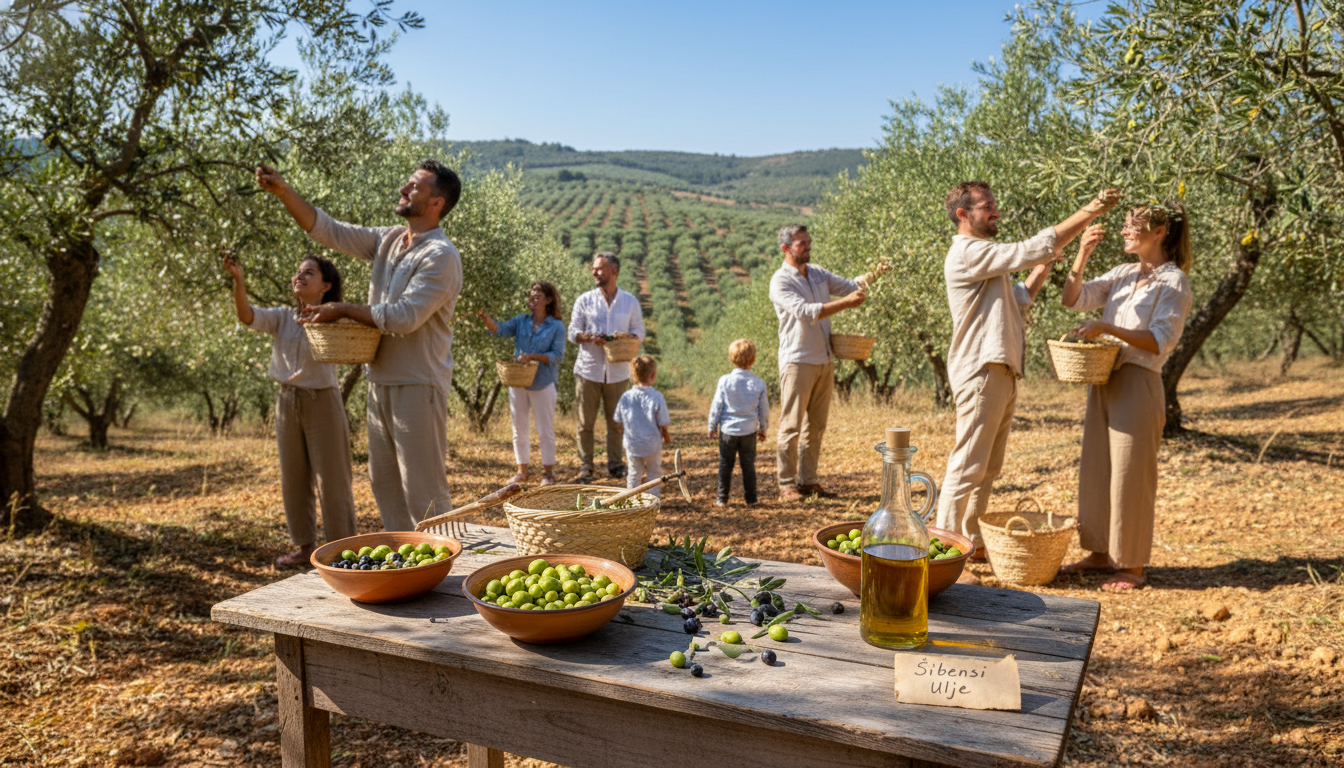
Join the rhythm of nature and tradition, discovering the hands-on experiences that bring olive oil to life. You can participate in the age-old practice of olive picking, guided by the agricultural association Kornati, which is still active today.
Here are some highlights of what you can expect:
- Learn traditional harvesting methods: Discover how to pick olives by hand, a skill passed down through generations.
- Try your hand at picking: Experience the labor involved in creating the finest Mediterranean olive oil.
- Understand the growth conditions: See how olive trees thrive in poor soil, revered as symbols of wisdom and victory.
- Observe the oil production process: Watch how raw olives transform into the liquid gold that defines the region’s culinary identity.
- Master the art of tasting: Learn to identify quality and healthy polyphenols in the fresh oil you sample.
Explore Olive Groves Sibenik: Must-Visit Spots
Venture into the heart of a thriving landscape, where the legacy of generations is alive in every leaf and fruit. Here, you can immerse yourself in authentic experiences that celebrate the region’s rich agricultural heritage.
Visit the Private Grove for a Hands-On Experience
In a private grove, you can hand-pick olives while learning the techniques used by ancestors to nurture these trees. This hands-on approach connects you with the traditions that have shaped this landscape.
Tour a Working Olive Mill and See the Pressing Process
Next, follow the journey to a local mill. Here, you can watch the pressing process and see how fresh fruit transforms into liquid gold. It’s a fascinating insight into the art of olive oil production.
Savor Fresh Olive Oil with Guided Tastings
Finally, indulge in guided tastings of fresh olive oil paired with homemade bread and local wine. These experiences allow you to savor the fruit of your labor while sampling various delicacies drizzled in high-quality oil.
Conclusion
In this remarkable region, the interplay of sun and soil creates a living history that captivates every visitor. You now have the knowledge to explore the rich traditions and modern practices that define the culture surrounding these ancient trees.
Whether you participate in the harvest or enjoy a guided tasting, you are supporting customs that have thrived since the 14th century. We hope you take the unforgettable taste of this liquid gold of the Mediterranean with you as a cherished memory of your travels.
Remember, each bottle of olive oil represents centuries of wisdom and the hard work of local agricultural associations. You are now ready to visit the groves and mills that make this region a unique destination for anyone seeking authentic local experiences.