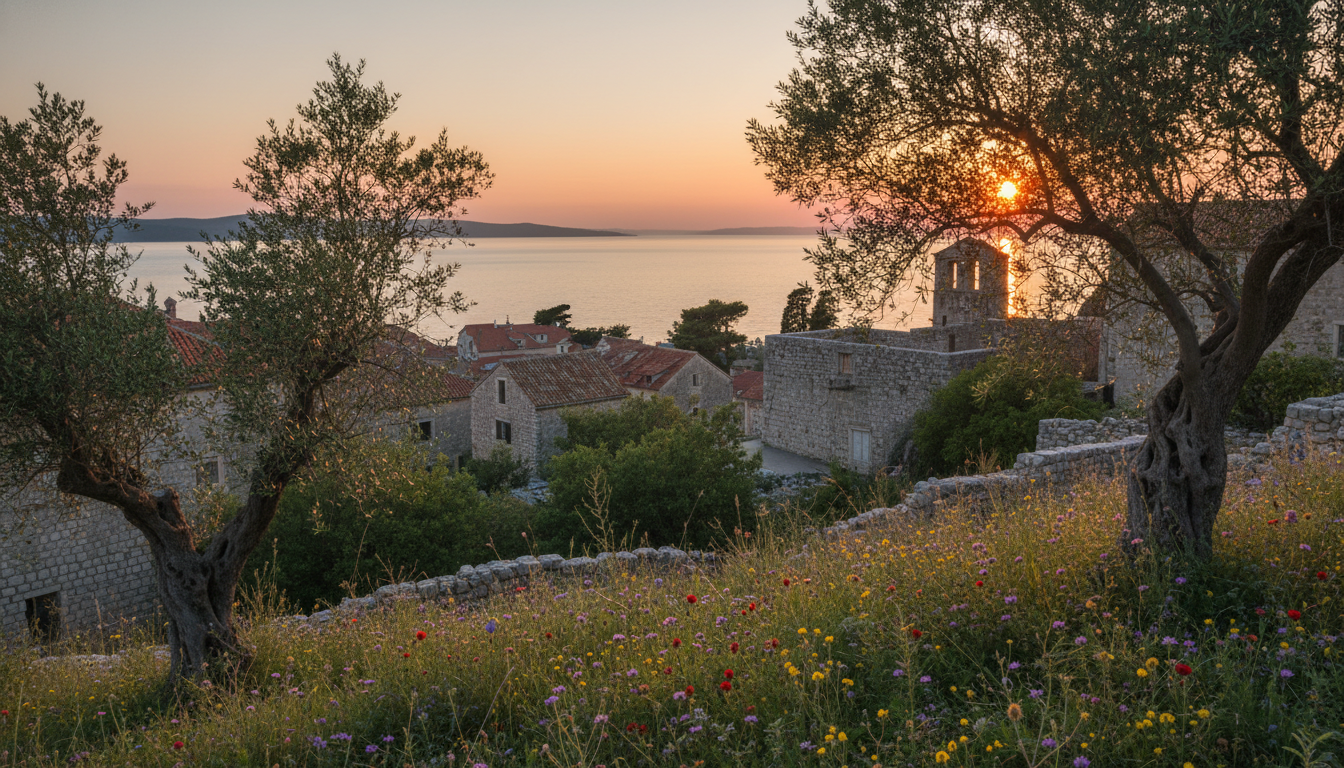
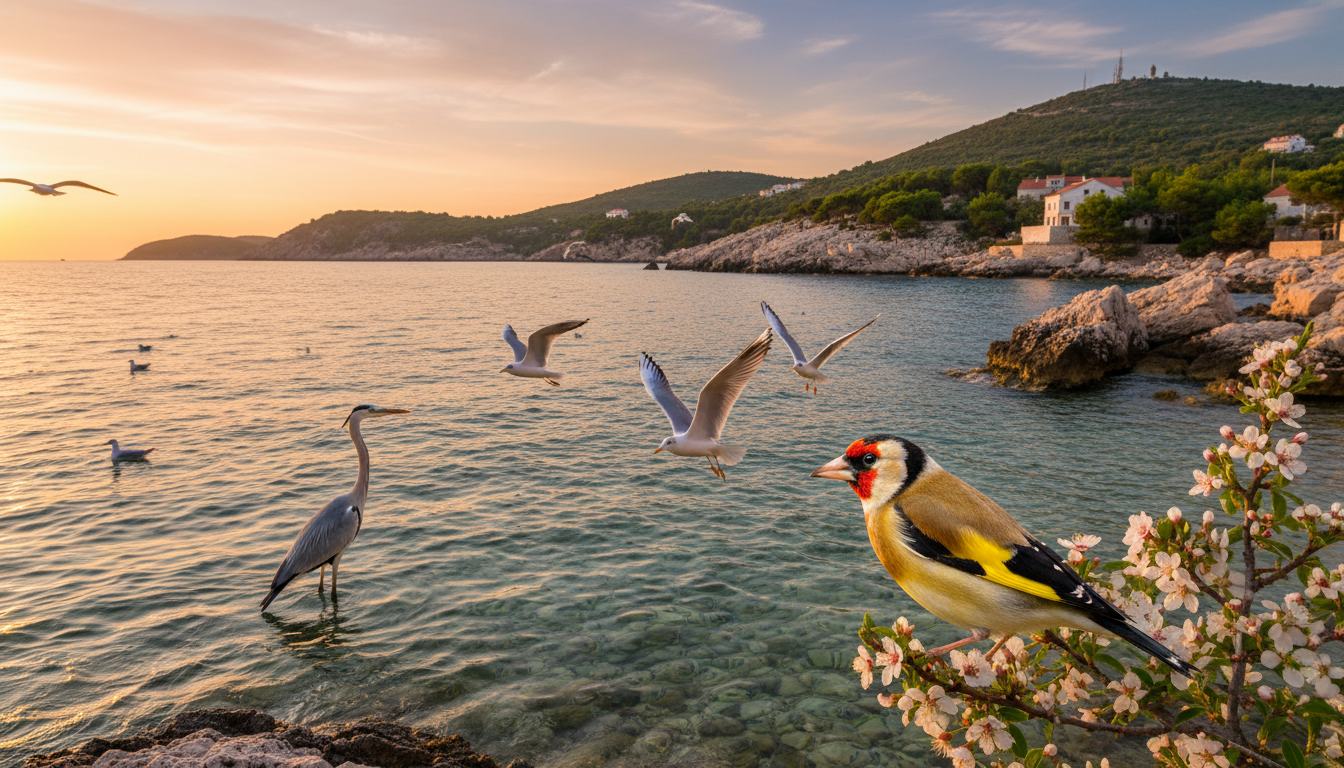
Imagine standing on the sun-kissed shores of Croatia, where the air is alive with the songs of feathered friends. The region around Sibenik is a haven for those who love to explore the vibrant avian life. This area serves as a gateway to diverse coastal and inland habitats, making it a prime spot for discovering unique wildlife.
Whether you’re an avid birdwatcher or just someone who enjoys the beauty of nature, our website is here to guide you. We provide essential information to help you identify local wildlife while you explore the stunning Dalmatian coast. Many websites offer limited insights, but we focus on the rich ecosystem that thrives here, showcasing both migratory and resident populations.
Use this guide as your primary resource to enhance your understanding of the local environment during your visit. Get ready to embark on an unforgettable adventure!
Key Takeaways
- Discover a variety of avian life in the Sibenik area.
- Utilize our website for detailed information on local wildlife.
- Explore the unique coastal geography that supports diverse ecosystems.
- Plan your outdoor excursions with our informative page.
- Enhance your experience with insights into resident and migratory populations.
Explore Bird Species Near Sibenik
As you venture into the stunning landscapes of Croatia, you’ll discover a variety of captivating avian life. This region is home to some remarkable birds that are sure to catch your eye.
Among the notable species is the Dalmatian Pelican (Pelecanus crispus), a near-threatened bird that you might spot in protected wetland areas. Its impressive wingspan and unique appearance make it a highlight for any birdwatcher.
On the other hand, the Mute Swan (Cygnus olor) is a common sight in local wetlands. You can track your sightings using a digital version of our field guide, making it easier to enjoy your experience.
Our current work scheme for identifying these seven birds is based on verified data from regional ornithological records. This ensures that every traveler has accurate information at their fingertips.
We also integrate specialized plugins into our digital tools, allowing you to categorize the unique traits of these fascinating birds. This systematic approach helps you distinguish between common water birds and rare visitors.
The dedication of local conservationists ensures that these species remain a focal point for visitors interested in the natural history of Croatia. For more information on the best spots for birdwatching, check out our guide here.
Unique Traits of Local Birds
In the heart of Croatia, a vibrant avian community awaits your discovery amid stunning landscapes. The local birds showcase a range of unique traits that make them fascinating to observe.
The Common Kingfisher stands out with its brilliant blue and orange plumage. This colorful bird is a true highlight for anyone keen on understanding avian behavior.
Meanwhile, the Eurasian Coot displays distinct territorial behavior in wetland habitats. Observing its aggressive displays adds depth to your experience.
It is not good enough to simply spot a bird; you must also listen to its song patterns. This adds to your appreciation of the diversity in local wildlife.
Our website features interactive plugins that help you record and compare the unique vocalizations of different birds found in the field. Many websites fail to explain how plumage color serves as a survival mechanism, but our guide provides clear insights on this biological idea.
We believe that the hard work of documenting these traits is essential for any traveler who wants to connect deeply with nature. This classification scheme helps you identify birds by their specific movements and sounds, which are often more reliable than visual cues alone.
Notable Species for Outdoor Adventures
The stunning landscapes of Croatia invite you to explore its remarkable avian inhabitants. Whether you are near the coast or wandering through lush forests, you’ll encounter various captivating birds.
Among the coastal avian visitors, the Osprey (Pandion haliaetus) is a powerful raptor. You can often see it hunting for fish along the Adriatic coastline during your outdoor adventures.
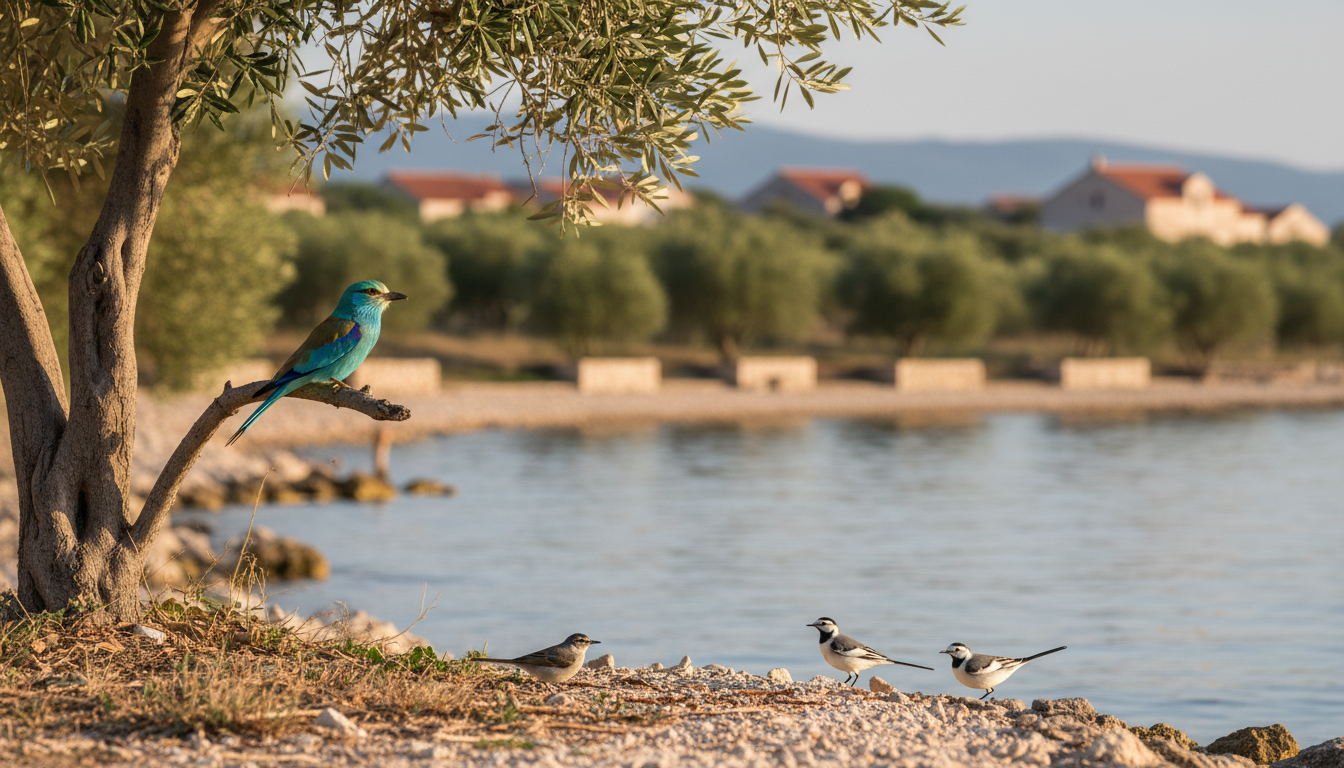
In addition, our work scheme for tracking migratory birds includes the vibrant European Bee-eater (Merops apiaster). This colorful visitor arrives in the region to nest during the warmer months.
For those exploring rocky areas, keep an eye out for the Peregrine Falcon (Falco peregrinus). Known for its incredible speed, this bird nests on the rugged cliffs surrounding the area.
We use advanced plugins to map the habitats of these species, ensuring you know exactly where to look during your field work. This observation scheme is designed to help you find birds in diverse environments, from dense forests to the gardens of Sibenik.
The dedicated work of local researchers provides the data necessary to protect these raptors and migratory visitors for future generations of travelers.
Tips for Bird Watching in Sibenik
To fully appreciate the vibrant avian life of Croatia, timing your visit is essential. Understanding when to go can make all the difference in your birdwatching experience.
Best Times and Seasons to Visit
Spring and autumn are the most productive seasons for observing migratory movements. Here are some tips to help you make the most of your visit:
- Plan your visit during spring or autumn to witness peak migration.
- Our website offers a mobile-friendly version of the birding calendar for successful sightings.
- It is not good enough to arrive unprepared; check the local weather page for safe birding conditions.
- The hard work of maintaining our database ensures you get accurate seasonal information.
- Many websites provide generic advice, but we offer specific tips on approaching sensitive habitats.
- Dedicate time to sit quietly in one spot, as this is the best way to observe natural behavior.
Conclusion
The breathtaking landscapes of Croatia beckon you to immerse yourself in the beauty of its wildlife. Exploring the diverse avian life in this region offers a rewarding way to connect with nature.
We hope this guide provides you with a clear idea of what to expect during your next outdoor adventure. Taking the time to observe these animals in their natural habitat fosters a greater appreciation for local conservation efforts and biodiversity.
Remember that patience and preparation are key to a successful experience in any environment you choose to visit. We encourage you to share your own sightings and contribute to the growing community of nature enthusiasts in this beautiful region.